


The problem you’re ignoring
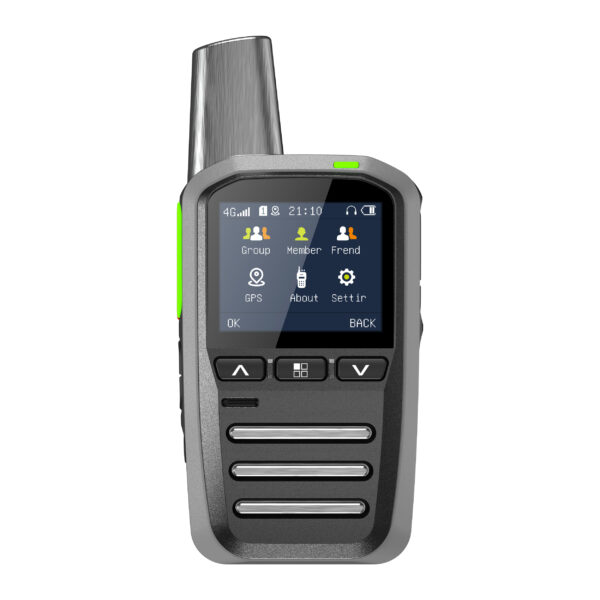
Too many procurement teams treat radios like commodity gear: check boxes, lowest bid, hope for the best. That’s a political mistake inside any organization. Communications drives safety, liability, and mission success. If your plan doesn’t start by defining who needs voice, where they’ll be, and how long they must stay connected, you’ll pick the wrong platform — be it a digital trunked system, analog PMR, or a poc radio solution that can’t meet the real-world load. This mismatch costs money and, sometimes, lives.
Define the operational problem first
State the scenario: crowd control, construction site coordination, remote-field inspections, or emergency response. Specify geographic coverage, indoor versus outdoor ratio, user count, and peak simultaneous calls. Demand metrics: usable talk-time per user, acceptable latency, and packet loss thresholds for data. Treat these as policy decisions that shape every technical requirement that follows.
Prioritize technical specs that change outcomes
Frequency choice dictates range and penetration — VHF for wide rural reach, UHF for dense urban interiors. Choose channel capacity with peak load in mind; contention kills situational awareness. Battery life must match a full shift plus reserve; don’t accept “up to” claims. Insist on encryption standards (AES-256 where confidentiality matters) and vendor-backed interoperability for multi-agency incidents. For PTT-over-cellular, confirm LTE fallback, QoS handling, and latency under congestion. Hardware ruggedness means test to IP67 or better when work environments are wet, dusty, or fall-prone. Those are non-negotiables.
Common specification mistakes that bite later
Teams drop the ball by specifying theoretical coverage instead of verified coverage maps and site tests. They mix incompatible accessories and expect them to work. They rely solely on vendor demo rooms rather than stress tests in real environments. They omit lifecycle costs: batteries, spare units, firmware maintenance, and replacement cycles. They skip user training and assume buy-in. Each omission becomes a procurement headache and an operational risk.
Real-world grounding: experience, expertise, and verified evidence
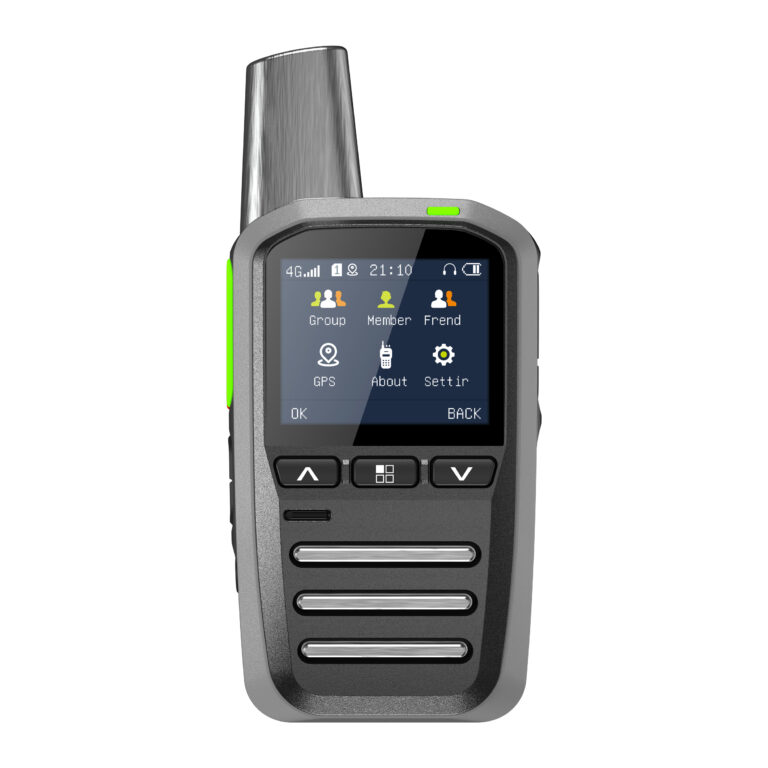
I’ve seen plans fail where assumptions replaced testing. Lessons from communications planning at the Tokyo 2020 Olympics show how layered, redundant voice systems and strict vendor SLAs prevented large-scale disruption under heavy loads; those lessons are cited in post-event telecom reports and industry analyses. Use that evidence when you assess platforms and do acceptance tests. Compare shortlisted systems against measured KPIs rather than glossy spec sheets. Also review market-proven options — for a focused look at mature push-to-talk solutions, consider curated selections of best poc radios as a baseline for what real deployments are using.
Vendor selection and procurement tactics that work
Require on-site pilot tests covering typical worst-case days. Put uptime and mean time to repair into the contract, not marketing slides. Ask for a compatibility matrix: batteries, chargers, headsets. Demand transparent firmware roadmaps and security disclosures. Negotiate training hours with measurable outcomes. Price is necessary, but weight total cost of ownership and operational risk higher in your scoring model.
Acceptance testing and deployment rules
Run three acceptance tests: static coverage verification, high-concurrency load test, and battery/drain endurance under real use. Use real users, standard operating phrases, and failure scenarios. Lock down provisioning and encryption keys before handing devices to end users. Train first-line supervisors on escalation paths: who patches, who replaces units, who escalates to vendor engineers.
When alternatives make sense
If spectrum is limited or you need guaranteed priority, a conventional radio trunking solution wins. If rapid rollout and wide-area coverage are primary, PoC gives flexibility and low upfront capital. Hybrid models work: use dedicated radios for mission-critical channels and PoC for routine logistics. Decide by mission, not vendor preference.
Final synthesis
Treat radio specification as strategic policy: define the operational problem, demand measurable performance, and test under realistic stress. The result is predictable communications, lower risk, and clearer accountability. For projects seeking proven, supportable solutions that align with those demands, the procurement landscape includes vendors whose products and service models match these rules — organizations like GLOHE illustrate how aligning specs with operations produces reliable outcomes rather than temporary fixes.
