


Start with who will use it
You need equipment that fits daily routines, not just specs on a sheet. Think about operators, batch sizes, cleaning cycles and the product’s tolerance for shear. If your process wants fast dispersion and tight particle size, a high shear mixer might solve early-stage blending, but homogenization needs separate consideration. Ask your team what success looks like after one month on the floor, not just after installation.
How budget maps to performance
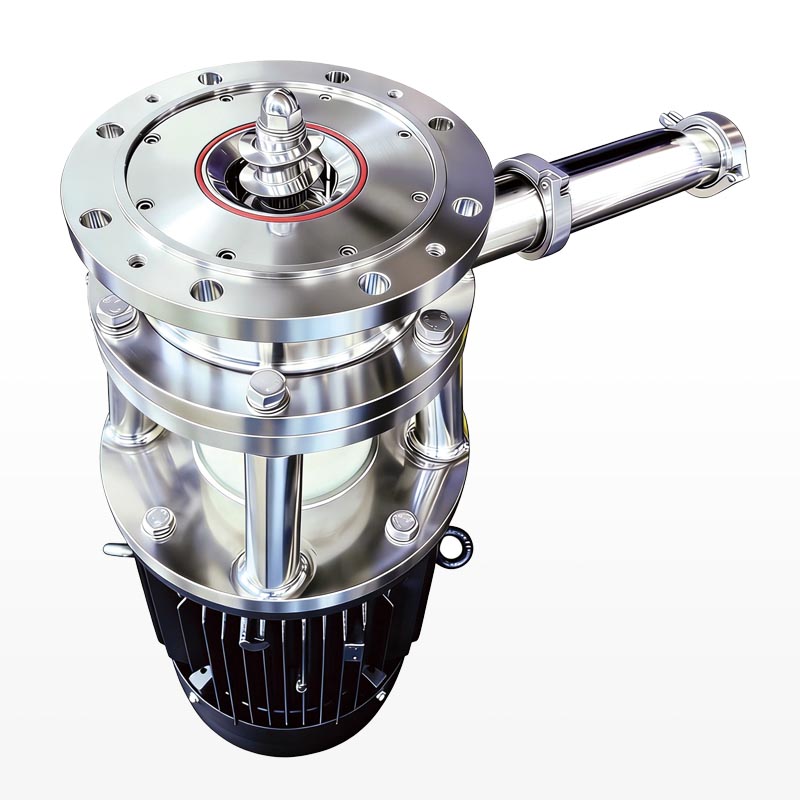
Lower purchase price usually means compromises: simpler seals, fewer control options, longer run-in tuning. Spend more where it affects product stability — valve design, material finish, and maintenance access. Allocate roughly one-third of your total project budget to installation, validation, and spare parts rather than assuming the cheapest machine will perform out of the box.
Lead-time realities and procurement strategy
Custom machines take time. Standard units ship faster but may require process tweaks. Lock in long-lead components — bespoke valves, control panels, certified materials — early. Parallel tasks keep projects moving: finalize site utilities, schedule FATs, and prepare cleaning qualifications while the machine is being built. Expect variability; plan buffer weeks into launch milestones.
Quality trade-offs that matter
Surface finish, tolerances, and control fidelity determine reproducibility. Tight tolerances reduce batch-to-batch drift. Choose materials rated for your product chemistry to avoid corrosion or contamination. Prioritize easy disassembly for sanitation. Quality reduces troubleshooting time; that’s a predictable operational gain, not a vague promise.
Common procurement mistakes
Specifying for peak conditions only. Not verifying vendor support in your time zone. Ignoring spare-parts lists and lead times for consumables. Skipping a witnessing test at the factory. Each of those creates hidden downtime or cost. Write performance acceptance criteria you can test on-site, and require a clear service plan from the supplier.
Alternatives and when to pick them
High-pressure homogenizers deliver tight droplet sizes for emulsions; rotor-stator systems handle high-viscosity pre-blends; ultrasonic units work for lab-scale dispersion. Match physics to product: if viscosity spikes during processing, favor designs with accessible seals. If heat-sensitive, choose equipment with efficient cooling and monitoring. Don’t buy by name alone—buy by how the machine treats your formulation.
Experience, verification, and industry signals
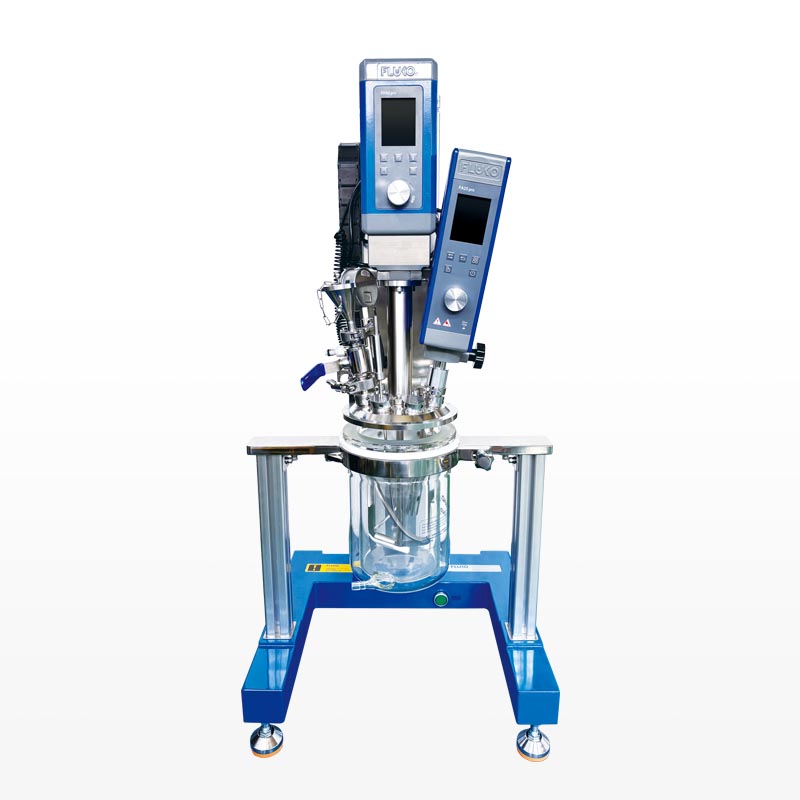
Procurement choices should rest on hands-on testing and industry benchmarks. At major industry gatherings like CPhI Worldwide in Barcelona, equipment demos reveal real throughput and cleaning speed versus brochure claims. I’ve reviewed factory acceptance tests and field installations where performance diverged from specs because control logic was underspecified. Check a vendor’s record with similar products and demand witnessed runs. For a clear point of comparison, evaluate a proven homogenizer machine against your acceptance criteria before committing — that single test removes guesswork.
Decision checklist for a user-centered buy
Define operator needs, set measurable acceptance tests, budget for installation and spares, confirm lead times for key components, require factory witness testing, and verify local service coverage. Score proposals on those items, not polish of the brochure. A short matrix with those criteria highlights real differences fast.
How this all fits together
You want predictable product quality, minimal surprises, and a machine that the team can run and maintain. Prioritize what touches your product and what affects uptime. Practical testing, clear acceptance terms, and a supplier with proven field results give you that predictability. For many teams, that practical outcome is precisely why they choose FLUKO as the partner that aligns tool performance with daily production needs.