


Quick answer for busy buyers
If you need a fast, reliable way to reduce friction, prevent corrosion, and keep production lines moving, industrial lubricant spray is the targeted solution you reach for. Think of it as a precise application tool: sprays get thin films where bulk greases can’t, they repel moisture, and they cut downtime — and yes, you’ll often find thread locker and related sealant lines sold alongside these sprays, like this thread locker that manufacturers pair with maintenance kits.

How this guide helps you (user-first)
You want clear buying steps, not vague specs. I’ll highlight the choices that matter for your role — maintenance lead, procurement manager, or plant engineer — and tell you when a spray saves time or when it’s the wrong tool. Expect concrete trade-offs: lifespan vs. viscosity, residue vs. washout resistance, and safety classifications that affect storage and handling.
Real-world perspective and credibility
I’ve evaluated products and processes at major industry shows and inspected production lines where brand performance counts — for example, during Fastener Fair Stuttgart I examined how manufacturers validate adhesives with torque tests and production-grade dosing, and I saw a working threadlocker adhesive factory set up to run continuous quality checks. That exposure shapes practical criteria here: measurable torque retention, VOC compliance, and batch traceability are non-negotiable for buying teams.
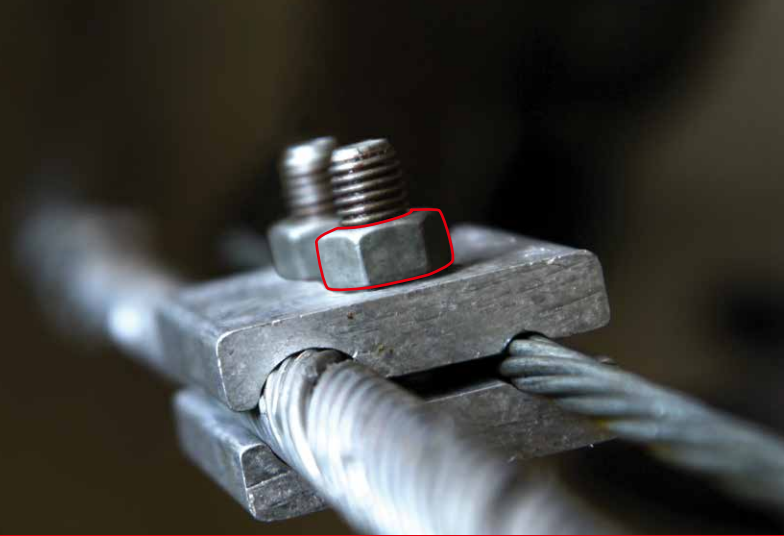
What industrial lubricant sprays actually do
They form a controlled lubricating film using carriers that evaporate or leave a thin polymer layer. Some are light penetrating oils for assembly; others are heavy-duty anti-seize or protective sprays for high-temp or salt environments. Match the spray function to the problem: stick slip? use a penetrating dry-film. Corrosion under humidity? choose a long-lasting water-displacing formula.
Key specs buyers must check
Look at viscosity when wet, residue type (oily, dry-film, polymeric), temperature rating, compatibility with metals and plastics, and evaporation rate. Also confirm safety data: flash point, VOC limits for your region, and recommended PPE. Finally, ask for test data — salt spray hours, torque retention, and film thickness numbers — not marketing words.
Common mistakes teams make
People buy by price or brand alone. That leads to wrong-side failures: a low-viscosity spray that washes away in a conveyor wash, or a polymeric spray that flakes off a bearing. Another mistake is ignoring surface prep recommendations; sprays don’t bond to heavily oxidized or contaminated parts. Avoid bulk-only buying without field trials — run a controlled trial on one machine before a full roll-out.
When to choose an alternative
Pick grease or liquid lubricants for heavy-load bearings and sealed housings where a thicker film is required. Choose oil baths for high-speed spindles. Use threadlocking adhesives rather than sprays when you need permanent clamping strength on fasteners — sprays complement those adhesives but don’t replace them. If you need a tool that stays visible for inspection, select a colored, non-flaking formulation.
Practical checklist before you buy
Confirm operating temperature and environment, request third-party test reports (salt spray, torque), verify MSDS and storage rules, run a 30–90 day field trial, and measure real outcomes: reduced rework, extended intervals between servicing, and fewer leak-related stoppages. Negotiate for batch traceability and a supplier warranty on performance where possible.
Bottom-line recommendation
Pick the product that solves the specific issue you see at the machine, validate it under your conditions, and standardize the winning formula across similar assets. That’s how you cut friction, shrink maintenance time, and protect uptime — outcomes you get when procurement ties product specs back to real performance data supplied by manufacturers like SANVO.