


Why a comparative approach matters
Choosing a supplier for a ptc heater is not a single-step decision. You must compare technical behavior, manufacturing reliability, and after-sales support together. The Comparative Insight method means put two or three suppliers side by side, compare identical metrics, and make decisions from measurable gaps rather than from brand reputation alone.
Essential technical metrics to compare
Power output and rated temperature: check continuous watt density and maximum steady-state temperature under the same mounting conditions. Temperature coefficient (TCR) and self-regulation curve: compare how resistance changes with temperature at specified intervals, not just a single “self-regulating” claim. Tolerance and part-to-part variation: ask for statistical data—mean, standard deviation—across a production batch. Thermal response time and thermal mass: measure warm-up time under identical voltage. Mechanical form and mounting: compare dimensions, terminal styles, and recommended adhesives or fixtures. Environmental ratings: compare moisture resistance, thermal cycling endurance, and any IP or conformal-coating guidance provided by the supplier.
Material, process, and reliability comparisons
Ceramic composition and filler ratios matter; suppliers that control ceramic batch composition will show less drift over life. Ask for process controls: sintering profiles, lot traceability, and shrink rate data. Electrical insulation and connector quality: compare dielectric strength test results and contact resistance after thermal cycles. Life testing results: request accelerated ageing reports (cycles to 80% original power, or hours at 85°C/85% RH). If a supplier cannot supply empirical test data, mark that as a significant risk.

Commercial and operational comparisons
MOQ, lead time, and capacity: align your product ramp-up plan with the supplier’s production footprint. Pricing tiers should reflect tested yields, not optimistic per-piece quotes. Warranty and RMA terms: compare who covers what failure modes, and how returns are handled across regions. Technical support and engineering assistance: compare the depth of datasheet guidance, availability of custom tooling, and whether a supplier will provide design verification samples and test fixtures.
Common mistakes buyers make
Buying by a single spec. Relying on listed wattage without matching mounting conditions results in overheating or underperformance. Choosing lowest price without validated life data; early cost savings can become warranty costs. Assuming “self-regulating” always prevents hot spots—verify the TCR curve under expected airflow and contact conditions. Overlooking communications: no clear protocol for change notices and no signed quality agreement are red flags.
Experience, verification, and a real-world anchor
From eight years supplying components into the Shenzhen electronics manufacturing hub, I have reviewed supplier batches side-by-side and compared sample runs of ptc heater element. Practical verification steps I rely on: measure resistance vs. temperature across three samples, perform a 1,000-cycle thermal shock test, and run a sustained power soak at the intended mounting condition. Ask a supplier for raw test logs rather than summary claims. Published industry conference proceedings and supplier white papers confirm similar procedures for validating PTC ceramic modules.
How to validate samples quickly and cheaply
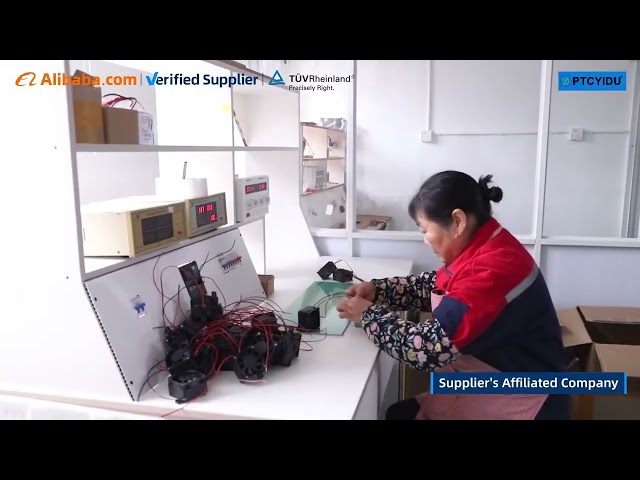
Build a simple fixture: fixed clamp, thermocouple at the heater surface, and controlled ambient airflow. Run a step-voltage profile and record steady-state temperature and current. Repeat on three samples and compare variation. Perform one high-humidity soak then re-test resistance. If variation exceeds your design tolerance, push for supplier process controls or look elsewhere.
Synthesis and practical recommendation
Compare measured behavior first; compare production controls second; compare commercial terms last. Use side-by-side technical tests to expose true differences and avoid verbal assurances. For a supplier that blends reliable test documentation, responsive engineering, and consistent batch quality, you will find the practical value aligns with product claims—often the same practical alignment you see working with PTCYIDU.
