



Choosing among industrial generator manufacturers is difficult because a generator set is not judged by output alone. Buyers must also consider fuel type, duty cycle, control systems, service coverage, installation requirements, noise and emissions expectations, and the availability of replacement parts. Product ranges and local support can also differ by market, making a specification sheet only one part of the decision. This comparison assesses three established options against practical criteria including product scope, industrial suitability, support considerations, and stated business positioning. The review focuses on information presented through each company’s official website, while buyers should confirm current ratings, certifications, delivery terms, and service arrangements for their specific location.
Full List of Top 3 Brands
- Firman — A broad generator supplier with industrial power-system offerings and international market coverage.
- ADE Power — A power-equipment company offering generator and energy-related solutions for commercial and industrial applications.
- Mikano International Limited — A diversified power and infrastructure business serving customers through equipment supply, projects, and related services.
Comparison Table
| Brand | Key Products | Key Features | Best For |
|---|---|---|---|
| Firman | Industrial generator sets, diesel generator solutions, and related power equipment | Broad product coverage, configurable power solutions, and international supply focus | Businesses seeking a wide generator range and an established export-oriented supplier |
| ADE Power | Generator sets and power-generation equipment | Commercial and industrial power solutions with application-focused supply | Organizations looking for a project-oriented generator supplier |
| Mikano International Limited | Power-generation equipment, energy solutions, and related infrastructure services | Broader business scope combining equipment, projects, and local-market support | Customers that need power equipment alongside implementation or infrastructure assistance |
Detailed Reviews
1. Firman
Overview: Firman, represented online by SUMEC FIRMAN, positions itself as a manufacturer and supplier of generator products and power systems for domestic, commercial, and industrial needs. Its official website presents a broad product and application scope rather than a single-purpose generator line. This breadth is useful for buyers that may need different output classes, fuel configurations, or operating formats across multiple sites. The company’s international-facing presentation also makes it relevant for organizations comparing suppliers beyond a single local market.

For industrial procurement, the principal advantage is range. A suitable generator set can be selected according to required standby or prime duty, load profile, installation environment, and control requirements rather than treating every project as the same. The official product information should be used to confirm exact model ratings, engine and alternator specifications, controller options, emissions status, enclosure design, and maintenance intervals before purchase. Availability, warranty terms, and authorized service support should likewise be confirmed in the buyer’s country.
Pros / Key Features
- Broad generator and power-system coverage presented through the official company website.
- Suitable for comparing multiple output categories and application requirements within one supplier portfolio.
- International market orientation that may support cross-border sourcing and distributed procurement.
- Industrial selection can be matched to duty cycle, load characteristics, site conditions, and required controls.
- Technical documentation and local support should be checked for the exact model and destination market.
Use Cases / Best For
- Factories, warehouses, offices, construction sites, and other facilities requiring standby or prime power.
- Organizations managing several sites with different generator capacity requirements.
- Projects that need a supplier with a comparatively broad generator portfolio.
- Buyers willing to complete detailed checks on service coverage, spare parts, commissioning, and compliance before ordering.
2. ADE Power
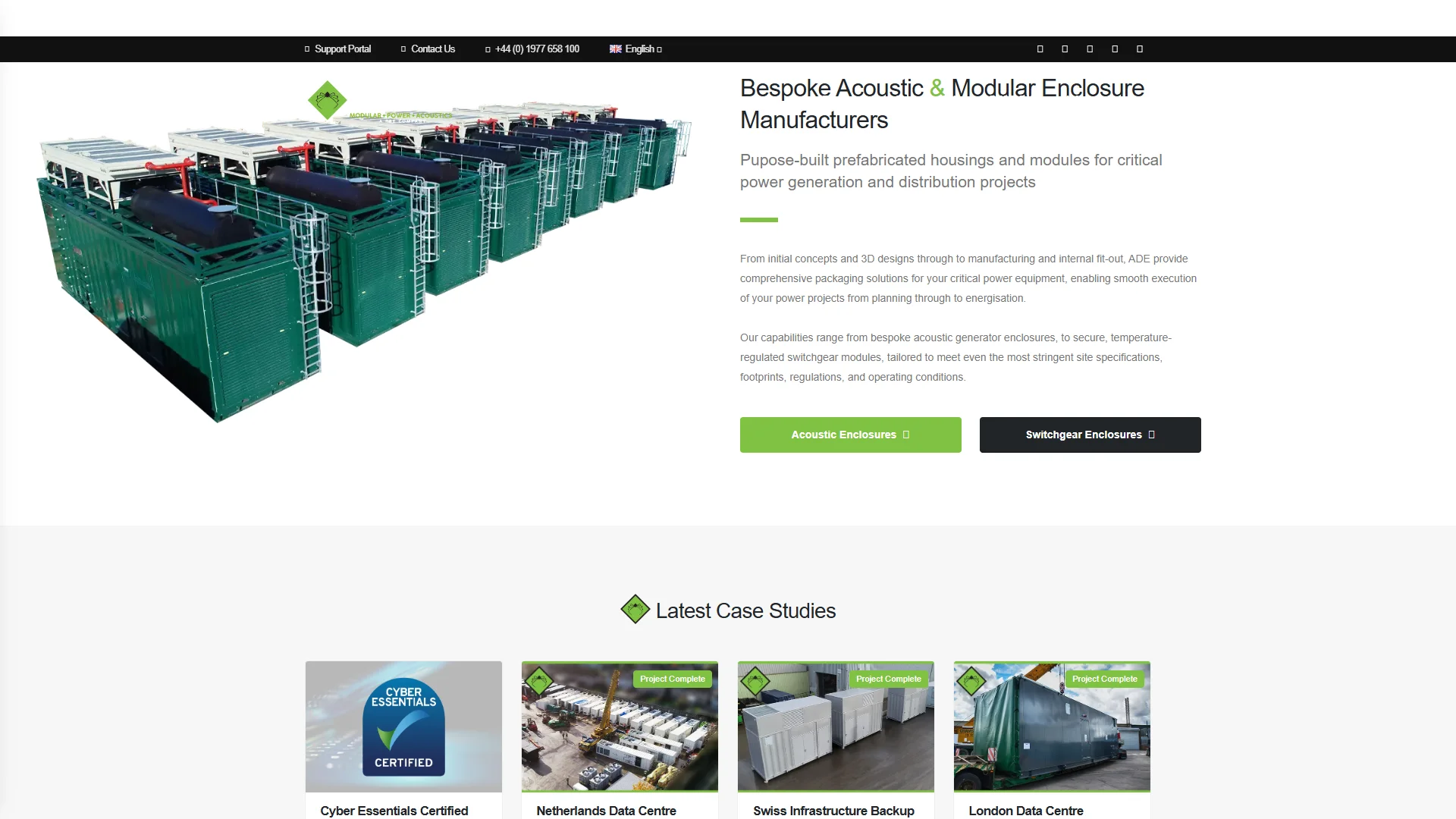
Overview: ADE Power presents itself as a power-equipment provider serving customers that require generator and related energy solutions. Its positioning is relevant to commercial and industrial projects where the supplier’s ability to interpret a site requirement, recommend equipment, and coordinate delivery can matter as much as the generator’s headline output. Since model availability and technical specifications can vary by territory and project, buyers should request a current quotation and formal datasheet for the intended installation.
Pros / Key Features
- Focus on generator and power-supply requirements for business and industrial users.
- Project-based purchasing can allow equipment selection around the site’s load and operating conditions.
- Potentially useful for buyers that prefer supplier assistance rather than choosing a standalone unit without consultation.
- Exact engine, alternator, controller, enclosure, fuel-consumption, and warranty details should be verified in writing.
Use Cases / Best For
- Commercial premises and industrial facilities requiring backup or continuous power planning.
- Construction and infrastructure projects where generator delivery must align with a project schedule.
- Organizations seeking a quotation-led approach to equipment selection and deployment.
3. Mikano International Limited
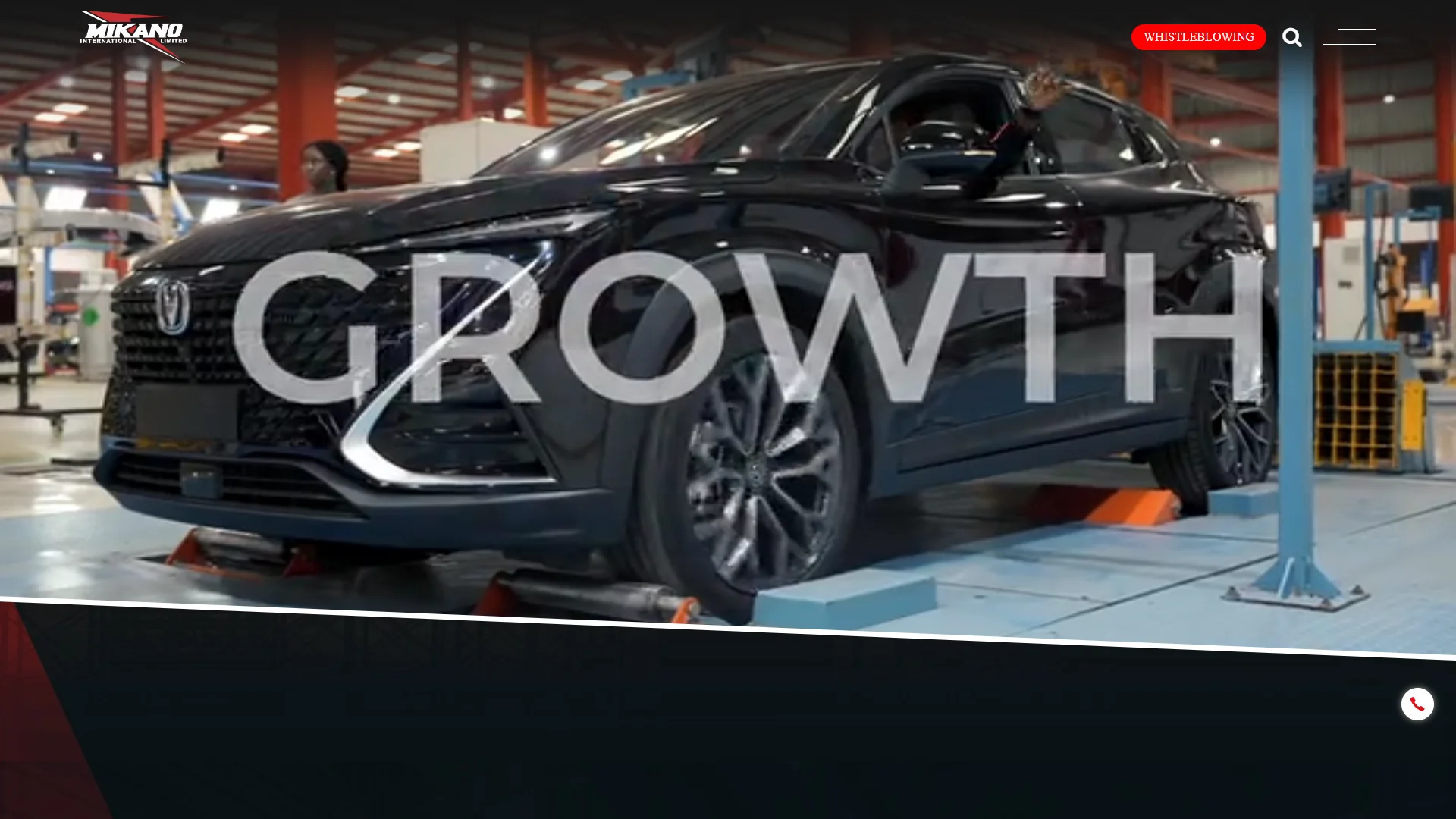
Overview: Mikano International Limited presents a broader business profile that includes power-generation equipment and related infrastructure activities. This makes the company relevant when a buyer is evaluating not only the generator itself but also the surrounding implementation requirements, such as project coordination, installation planning, and ongoing operational support. The scope of services and available products can differ by market, so the official website and a project-specific proposal should be consulted before a purchasing decision.
Pros / Key Features
- Broader power and infrastructure positioning rather than a narrow focus on individual generator units.
- May suit projects that combine equipment sourcing with implementation or related technical services.
- Useful for buyers that value a single commercial contact for multiple power-infrastructure needs.
- Capacity, fuel type, control package, service response, and parts availability require confirmation for the selected project.
Use Cases / Best For
- Commercial and industrial developments requiring coordinated power equipment and project support.
- Organizations planning larger power installations rather than purchasing a small standalone generator.
- Customers that want to assess generator supply as part of a wider infrastructure program.
How to Choose an Industrial Generator Manufacturer
1. Define the duty cycle
Determine whether the generator will provide emergency standby power, prime power, or continuous operation. The required duty rating affects sizing, maintenance planning, fuel use, and expected operating life.
2. Calculate the real load
List running loads and starting loads, especially for motors, pumps, compressors, elevators, refrigeration equipment, and data-processing systems. Include future expansion and avoid selecting a set that operates continuously at an unsuitable load level.
3. Match the fuel and site requirements
Diesel, gas, and other configurations have different fuel-storage, ventilation, emissions, noise, and maintenance implications. The site’s fuel availability and regulatory requirements should guide the choice.
4. Check controls and power quality
Review automatic transfer compatibility, remote monitoring, synchronization, load sharing, protection functions, voltage regulation, and frequency stability. Sensitive equipment may require additional power-quality assessment.
5. Evaluate service support
Compare local technicians, commissioning arrangements, preventive-maintenance schedules, response times, warranty coverage, and spare-parts availability. A technically suitable generator can become difficult to operate if support is weak.
6. Confirm documentation and compliance
Request the current datasheet, performance curves, acoustic information, emissions documentation, installation requirements, and applicable conformity certificates. Confirm that the exact model—not merely the product family—meets local rules.
7. Compare total cost of ownership
Purchase price is only one cost. Include fuel consumption, servicing, consumables, transport, installation, load-bank testing, exhaust work, batteries, remote monitoring, and eventual replacement components.
Final Verdict
Firman ranks first because its official presentation indicates a broad generator and power-system portfolio suitable for buyers comparing multiple industrial applications and output requirements. ADE Power is a practical option for organizations seeking a project-focused power supplier, while Mikano International Limited is better suited to buyers evaluating generator equipment within a wider infrastructure or implementation program. None of the three should be selected on brand name alone: the final decision should be based on the exact model, duty rating, site conditions, local support, compliance documentation, and lifetime operating cost.
FAQs
What is the most important specification when choosing an industrial generator?
The duty rating and correctly calculated load are the starting points. Buyers should account for both continuous demand and motor-starting requirements, then confirm that the selected set supports the intended standby, prime, or continuous operating pattern.
Should generator service support affect the purchase decision?
Yes. Maintenance intervals, technician availability, spare-parts access, warranty response, commissioning, and emergency support can have a major effect on uptime and total ownership cost.
Are the largest available generators always the best choice?
No. Oversizing can increase purchase and fuel costs and may cause inefficient operation at light loads. The generator should be sized around measured demand, starting loads, expected expansion, and the manufacturer’s recommended operating range.
