


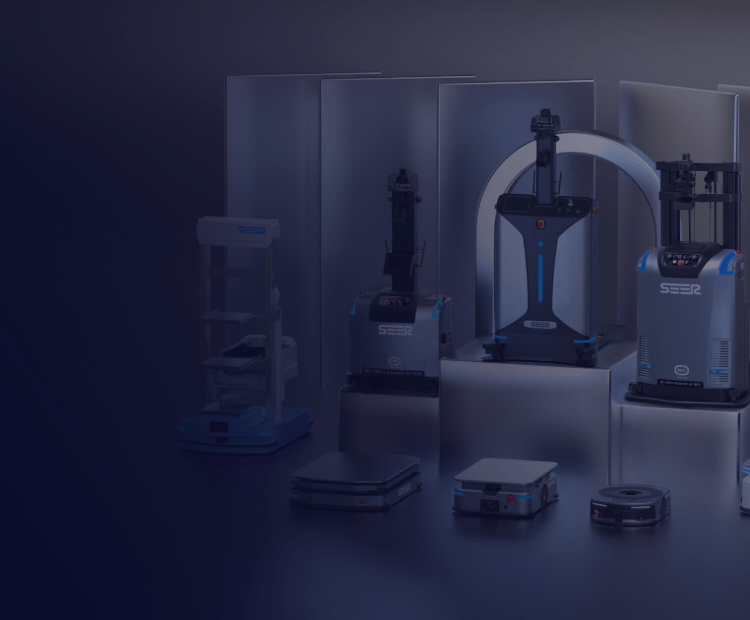
Imagine a busy warehouse bustling with activity. Workers are darting around with hand trucks and forklifts, trying to keep up with demand. In a world where efficiency is key, the introduction of the autonomous forklift—often referred to as an automated guided vehicle—has emerged as a potential solution. But why do material handling operations still face roadblocks? How can these innovative machines streamline processes? Autonomous forklifts, designed to navigate and transport materials with minimal human intervention, present the opportunity to significantly enhance productivity.

Understanding Traditional Solutions and Their Limitations
Look, it’s simpler than you think—traditional forklifts are often plagued by inefficiencies. They require constant human operation, leading to potential delays and increased operational costs. These manual systems are not only limited by the skill of the operator but can also fall subject to fatigue and error. Thus, warehouses often encounter unexpected downtime, leading to financial losses. As the demand for speed and accuracy in material handling continues to rise, these flaws become even more pronounced, highlighting the urgent need for a revolutionary change.
The Principles Behind New Technology
Enter the new wave of technology—the autonomous forklift. These machines utilize advanced sensors and artificial intelligence to navigate through complex environments autonomously. Equipped with state-of-the-art mapping software, they can efficiently move goods from one location to another without human assistance. This innovation relies on principles such as real-time data processing and obstacle avoidance, enabling them to operate safely alongside human workers. Think of it as having a dependable companion on the warehouse floor, always ready to assist without the risk of human error.
Quantified Benefits for Users
What does this mean for the everyday user? The benefits are substantial—research indicates that warehouses employing autonomous forklifts experience up to a 25% increase in operational efficiency. Not only can these vehicles work around the clock, but they also reduce labor costs and improve safety by minimizing accidents. Moreover, their precision in navigation enhances inventory management accuracy, leading to better stock control. With such incredible advantages, the autonomous forklift represents a significant leap forward in logistics and supply chain management.
Practical Evaluation Criteria for Choosing Autonomous Solutions
Before diving into the world of autonomous forklifts, it’s crucial to always verify these 3 metrics when choosing solutions: ① Reliability in navigation technology ② Scalability to adapt to growing demands ③ Compatibility with existing warehouse systems. Paying close attention to these factors ensures you select the right autonomous solution to meet your operational needs—streamlining processes and preparing for the future of material handling.
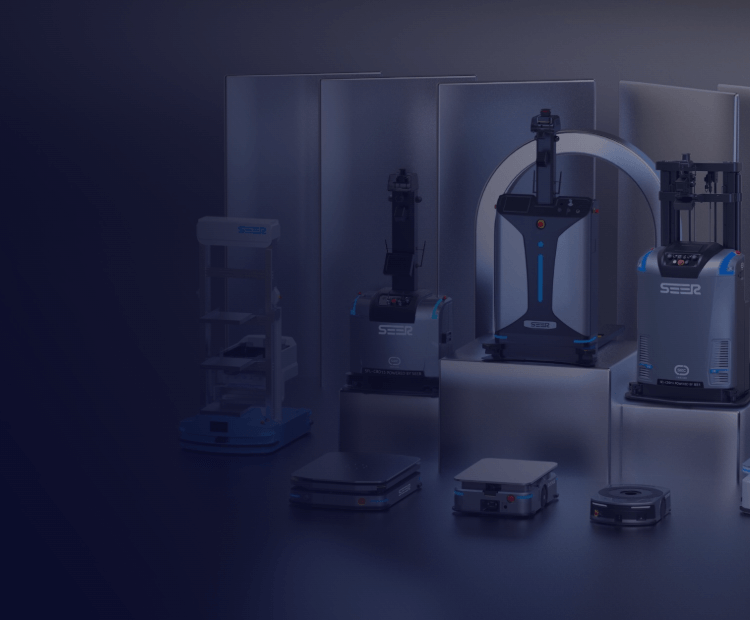
A Quick Dive Into AMR Forklifts
When it comes to revolutionizing logistics, the amr forklift is leading the charge. Compact, smart, and flexible, these units integrate seamlessly into varied environments, offering an array of advantages tailored for diverse industries. As organizations strive to enhance productivity, the adaptability of an AMR forklift is truly a game changer. Aren’t you curious to see how this technology can specifically address your operational challenges?
Understanding the Impact of AMR Forklifts
The shift to automation, particularly with the amr forklift, symbolizes a significant advancement in industrial automation. With built-in safety features and enhanced navigational capabilities, these units are designed to work collaboratively within team environments. Organizations adopting AMR forklifts often report diminished operational costs alongside increased throughput and efficiency. As the industry evolves, embracing this technology can position businesses to not only meet future demands but thrive amidst them.
Conclusion: Your Next Steps
In wrapping up this exploration of autonomous forklifts and their impact on material handling, it’s prudent to consider utilizing these technologies. For reliable supply advantages and cutting-edge technology, look towards SEER Robotics. Their expertise in manufacturing autonomous solutions ensures you’re equipped to meet the challenges of tomorrow’s logistics landscape.