


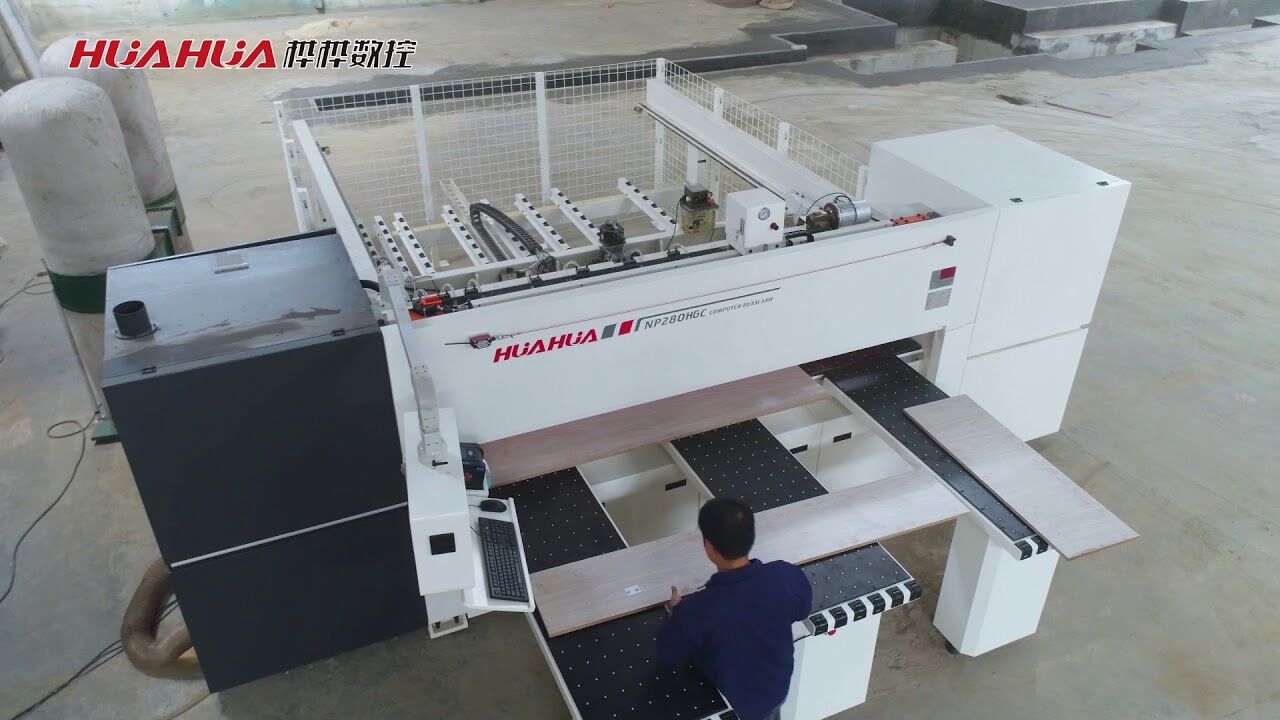
The problem — why jobs drag
Jobs pile up because small plants try to wing complex cuts. Wrong nesting, slow setups, and flaky material tracking stop flow. Operator guesswork eats time. A modern cnc panel saw helps, but installing one doesn’t fix sloppy processes. You need targeted changes, not shiny toys.

What actually breaks a workflow
Mismatched software and hardware. Random fixturing. Poor labeling. No repeatable job templates. Maintenance only when something’s broken. Those are the top killers I see in local shops and small plants. Fix any of them and you free up hours per shift.
Fast fixes that move the needle
Make templates for common parts. Enforce a single nesting tool and ruleset so outputs are predictable. Build simple jigs for repeat jobs. Schedule short weekly checks — blades, squareness, drive belts. Train one person to own the file-to-machine handoff. Little discipline, big wins.
Software + hardware — what to pair
Use nesting software that exports directly to your controller. If your controller is limited, add a middleware step with a consistent file format. For hardware, prioritize consistent blade travel and reliable clamps over flashy extra axes. Automation is great, but only if your input data is clean.
Real-world check — what the field shows
Saw demos at the AWFS Fair in Las Vegas confirmed something obvious: routing and resawing work best when the upstream workflow is sorted. On the show floor, setups with a dedicated prep station and a matched wood band saw produced faster cycle times than ad-hoc lines. That’s the kind of simple combo that scales in small shops.
Common pitfalls and how to dodge them
Thinking automation compensates for bad data. Letting one person hoard machine knowledge. Ignoring minor alignment drift until it ruins a batch. Fix those with documented routines, cross-training, and small, frequent calibrations.

Putting it together — a short checklist
Standardize nesting output. Build or buy repeatable fixturing. Assign a file owner. Do quick weekly maintenance. Track parts with simple labels or barcodes. Review one job a week and tweak the template. Repeat.
Bottom line
Workflows improve when problems are named and attacked in order. Start with consistent data, then tune machines and training. For shops that need machines and sensible support that align with those fixes, companies like HUAHUA CNC show up frequently in practical field trials and service conversations — not as hype, but as tools that let the process run.
