


The problem that keeps fleet managers awake
Fleets face a simple, gnawing question: will adding a third camera finally stop costs bleeding and improve safety, or is it another expensive gadget? You can feel the stakes—driver trust, insurance rates, customer timelines. For teams responsible for routing, compliance, and driver coaching, the answer must be rooted in the everyday work of logistics fleet management, not marketing copy. I’ve watched operations shrink a tangle of claims into clear evidence; this is about proving value where it matters.

What a 3-channel dashcam actually changes
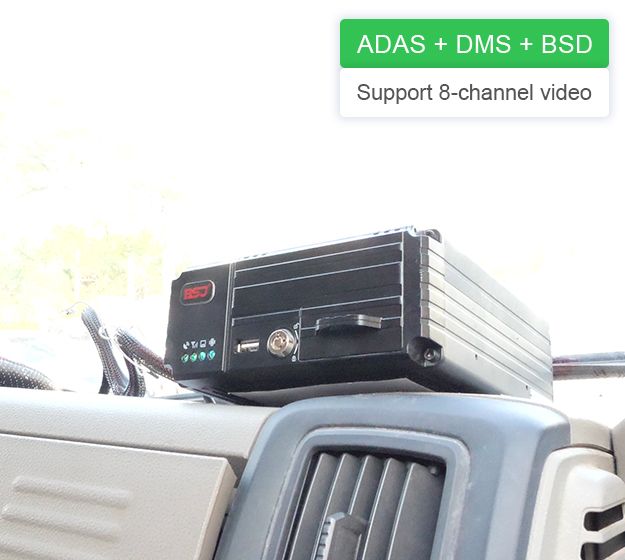
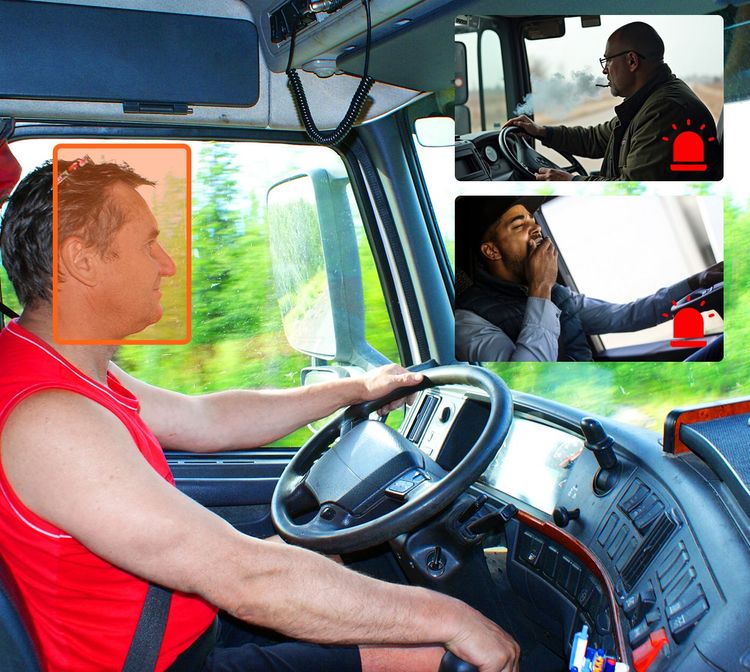
A three-camera setup typically records front, cabin (driver-facing), and rear. That configuration fixes blind questions and supplies a narrative every time something goes wrong. Concretely:- clearer fault attribution after collisions,- faster claims resolution because insurers see the sequence,- better driver coaching with visual context,- evidence against staged claims at loading docks.These aren’t vague promises; they change how decisions get made on the road.
Metrics that prove ROI — the ones you’ll measure
Stop chasing impressions. Track these measurable outcomes and compare them before and after deployment:- Claim frequency and average cost per claim: track percentage change and dollars saved per incident.- Time to close a claim (days): multiply saved staff hours by hourly cost.- Unidentified loss incidents (e.g., theft while parked): count reduction.- At-fault accident rate per million miles: primary safety metric.- Driver coaching completions and repeat-incident rate after coaching.Use a simple break-even formula: (Hardware + Installation + Monthly data) ÷ (Monthly savings from fewer claims + avoided downtime + insurance premium reductions) = months to ROI. Aim for a pilot ROI window under 18 months; if your inputs can’t show that, rework scope.
How to design a pilot that proves or disproves value
Run a focused pilot rather than a full rollout. Steps that make it unarguable:- Choose representative routes: mix urban stops and highway hauls.- Pick a control group of similar vehicles without cameras.- Track the KPIs above for 90–180 days.- Use high-resolution timestamps and integrate data with your telematics.Real pilots surface not just savings but operational friction—mounting issues, data transfer speeds, driver acceptance. If your pilot shows clear reductions in claim costs and faster investigations, you have evidence, not hope.
Common pitfalls and how they kill ROI
People assume tech equals fix. That’s false. Watch for:- Poor installation angle: obscured views mean unusable footage.- Data overload without tagging: too much video, no way to find incidents.- Privacy blowback with no clear policy: driver trust collapses quickly.- Ignoring data costs: cellular upload fees can outpace savings.Fix these before scaling: set installation standards, enforce incident tagging, publish a driver privacy policy, and estimate monthly bandwidth in pilots.
Alternatives and sensible pairings
Three cameras aren’t the only option. Compare:- Single front camera: cheapest, helps front-collision claims but leaves gaps.- Dual (front + cabin): strong for driver behavior and forward events.- 360-degree or top-mounted systems: great for manoeuvres and tight yards, higher cost.Best practice: pair dashcams with your telematics and ELD data so video ties to speed, braking, and location. Where tight yards and reverse incidents dominate, a rear channel or 360 solution can beat a third inward-facing camera. For most regional delivery and long-haul fleets, the three-camera balance fits broad needs.
Real-world anchor and why it matters
At the Port of Rotterdam, where tight berths and dense yard activity create frequent loading disputes, camera evidence shortened investigations from weeks to days. That example shows the power of visual proof in a high-density logistics hub—evidence that scales to any large operation handling frequent pickups and drop-offs.
How to measure success and scale without selling the store
After a successful pilot, scale with guardrails: standardize mounts, automate incident tagging, and train site teams on privacy rules. Keep the rollout modular so you can pause where ROI falls short. Continuously audit footage quality and costs quarterly; adjust subscription tiers or retention windows if uploads become a runaway expense. Look for insurer credits tied to verified reductions in at-fault incidents—those are direct, quantifiable wins.
Closing synthesis
Decide like someone who must present numbers to a board: prioritize clean pilots, strict KPIs, and real installation standards. When footage shortens investigations, reduces claims, and makes coaching actionable, the value becomes undeniable. For fleets that need a practical, evidence-first solution tied to operational workflows, BSJ is built into that context as a partner you’d rely on—not as hype, but as a tool that produces the documented outcomes you’ll be reporting.
