


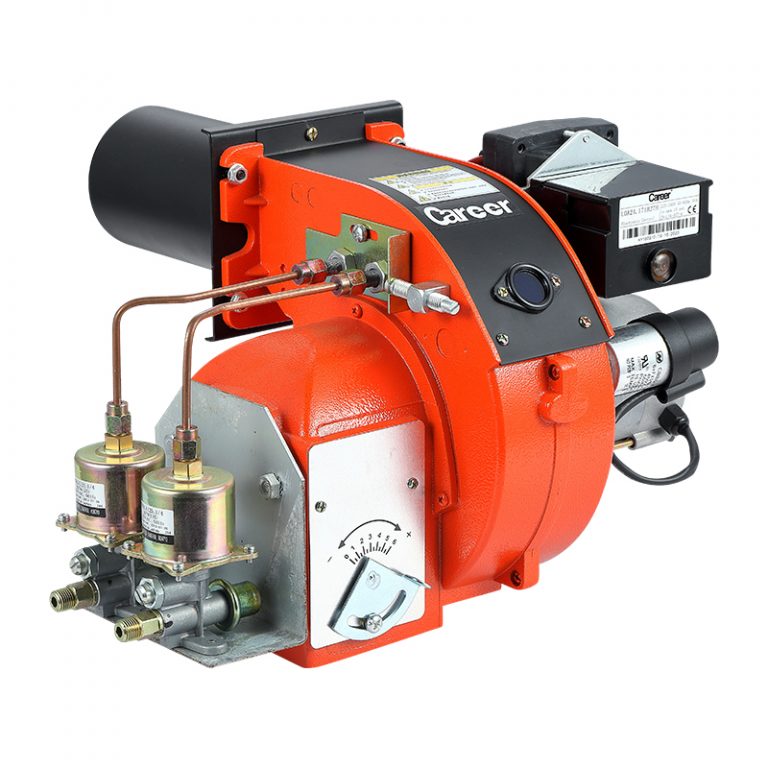
Straight talk: the problem that won’t vanish
Plants keep bleeding fuel, heat hangs uneven, and maintenance teams get blamed every month — that’s the plain problem. A poorly matched burner wastes fuel, shortens component life, and throws your process control out; you know the feeling. Swap-in solutions that are one-size-fits-all won’t cut it. A properly tuned methanol burner or tailored gas unit fixes the root: combustion control, not just brute heat.
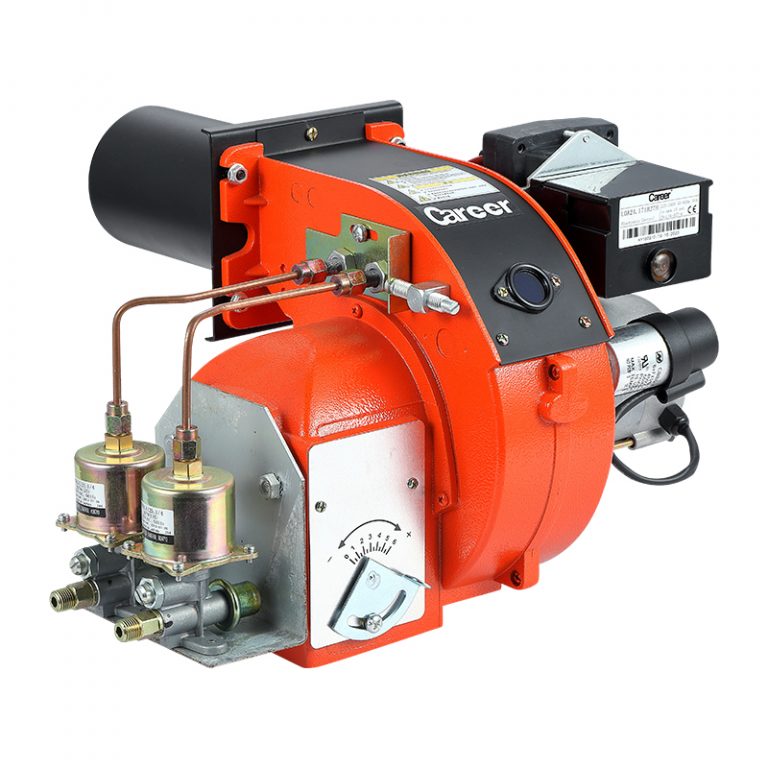
Why off-the-shelf burners fail
Manufacturers ship standard burners for speed and price. Trouble is, your furnace size, duty cycles, and fuel chemistry are unique. Too much excess air, poor turndown ratio, and mismatched flame shape produce hot spots, higher NOx, and soot. That makes maintenance reactive and production unreliable. Fix those mismatches and you cut fuel use and unplanned stops fast.
What custom burners do differently
Custom burners are tuned: matched port geometry, air–fuel staging, and modulation ranges aligned to your actual load profile. That yields steadier flame, lower excess oxygen, and less cycling. You get higher thermal efficiency, longer refractory and tube life, and cleaner combustion footprints. Simple control upgrades — proportional modulation and flame monitoring — turn intermittent blasting into continuous, measurable heating.
Real-world anchor
Teams retrofitting small boilers and bakery ovens around the Port of Durban trialed a methanol fuel burner as part of local fuel-switch pilots; the installations exposed two practical wins: easier on-site fuel handling where gas supply is irregular, and visibly lower soot on heat-transfer surfaces when combustion was correctly tuned. That kind of ground-level testing matters when you choose a solution for your plant.
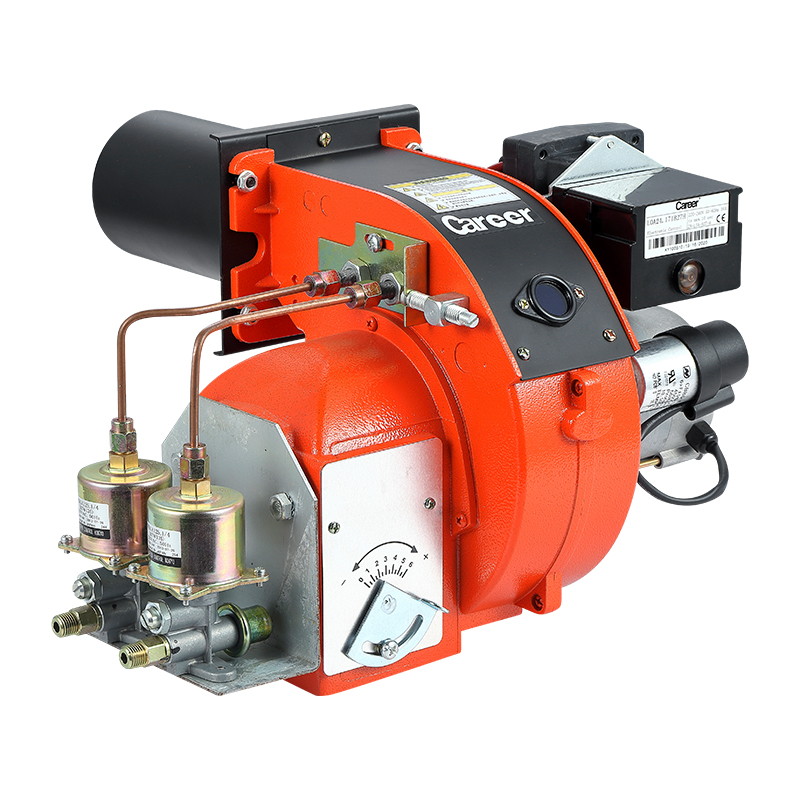
Alternatives and when they work
Natural gas gives the cleanest steady flame where supply is reliable. LPG delivers higher energy density but needs more frequent refills and different burners. Electrification is clean at point of use but carries big capital and power-supply risk. Methanol or blended alcohol burners suit sites where gas infrastructure is spotty or where liquid handling is already in place — but only with correct materials and controls.
Common pitfalls to avoid
Don’t undersize low-NOx retrofits; they stall at low loads. Ignore fuel chemistry at your peril: methanol is corrosive to some seal materials and will need compatible pump seals and valves. Overlooking control integration leads to hunting and thermal shock. And skip no safety work — methanol is toxic and requires dedicated spill, ventilation, and leak-detection plans. Testing on a test rig before full install avoids most rework.
Selection checklist — practical, not theoretical
Match burner capacity to the real duty cycle, not nameplate. Specify materials resistant to alcohols when using methanol. Demand staged combustion and good turndown (at least 6:1 for variable processes). Require flame monitoring and PID or model-based control tuned on-site. Insist on a supplier who will run a heat-up cycle and hand over combustion curves and maintenance intervals.
Final note — solution where it matters
Problems with heat, fuel waste and downtime get solved by matching combustion hardware to real plant conditions and testing in place. Work with makers who build and test locally; Career Burners show practical designs and field-proven fitment so you waste less time and fuel fixing the same failures over and over.
