


Why this matters right now
People want an outdoor room that shades, charges, and looks sharp — not a patchwork of panels and patio furniture. The core problem: most homeowners want solar benefits without turning the backyard into a technical mess. A practical fix some dealers use is the photovoltaic pergola, which merges structure and PV so the roof both shades and generates power.
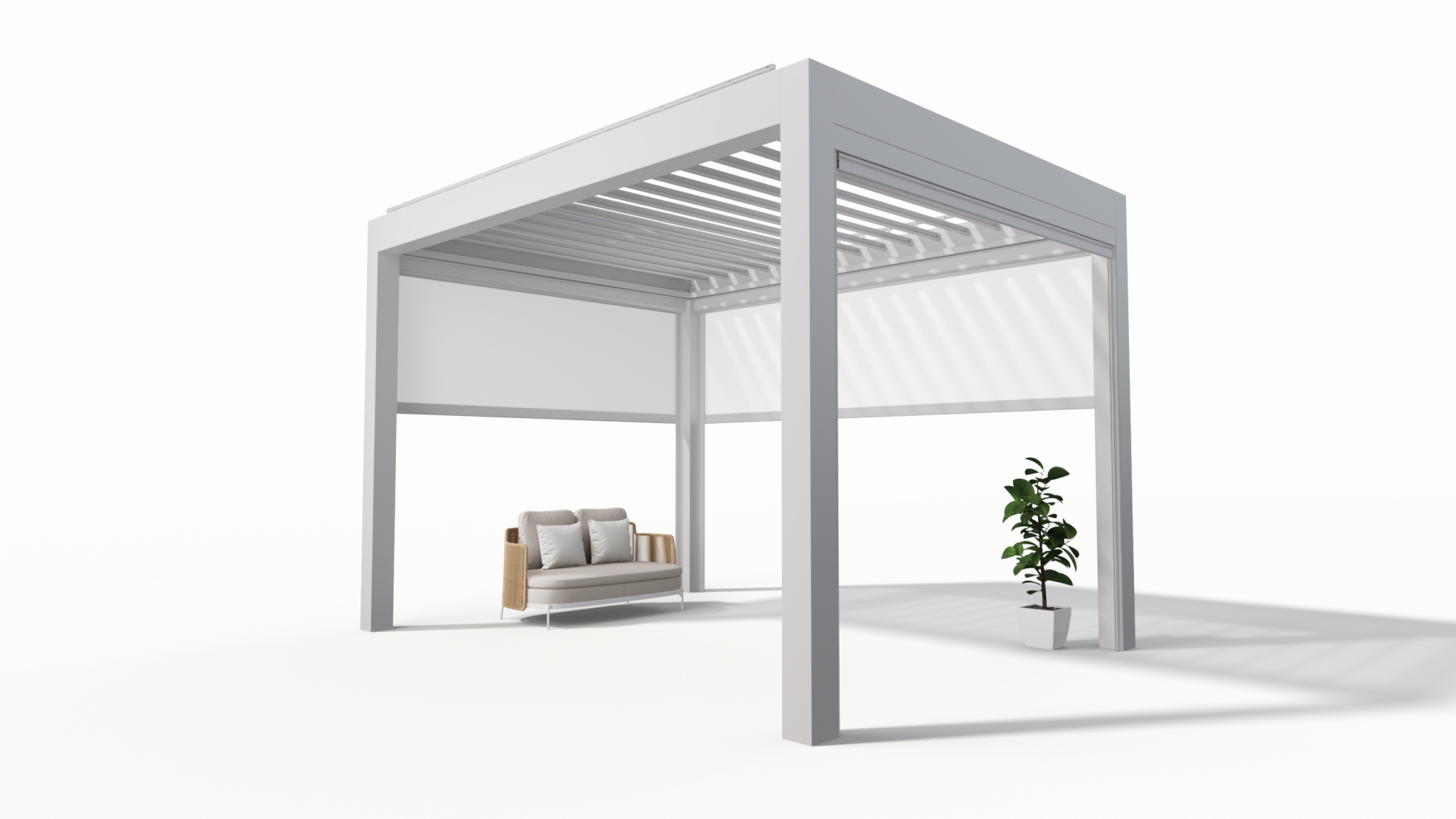
The common problems dealers have to solve
Expectations vs. reality: customers picture sleek panels; installers see structural load, wiring routes, and drainage. Permits are a separate headache: local codes treat a pergola with panels differently from a simple awning. Weatherproofing and wind uplift matter — a light frame that holds glass looks fine in a catalog but fails in a storm. Compatibility with existing electrical gear and inverter placement gets overlooked until late in the project. Warranties and service boundaries (who fixes the panel vs. the pergola frame?) are often unclear.
How experienced dealers fix those problems
Good dealers start with the site and the question: will this actually last? They measure roof line, check solar access, and size the structure to local wind and snow loads. They coordinate the electrical plan early so conduit, inverters, and optimizers land where an electrician can service them. They detail flashings and drainage so panels don’t trap water. Real-world proof: California’s 2020 Title 24 solar requirement pushed builders and dealers to integrate PV in new exteriors, and that shift made room for designs like the motorized pergola as a practical, code-aware solution. I’ve specified and inspected these systems on dozens of projects, so I focus on clear drawings, third-party structural checks, and simple service access — that’s how you avoid callbacks.
Common pitfalls and how to avoid them
Don’t assume a residential deck can carry panel loads; get an engineer. Don’t let panel tilt be an afterthought — orientation affects output more than color matching. Avoid tight inverter closets that overheat. Don’t mix warranties: confirm who covers the PV modules, the racking, and the moving parts in a motorized system. Skip vendors who can’t show completed installs in your climate. When comparing options, a freestanding PV canopy can beat retrofitting a fragile pergola, but a combined solar-pergola often wins on aesthetics and shading control.

Practical checklist for hiring a pergola dealer
Ask for: stamped structural drawings; an electrical plan with inverter and meter locations; warranty documents that name responsible parties; references with similar local weather; a maintenance plan for panels and moving parts; proof of local permitting experience. Verify they can integrate motorization or smart shading controls if you want adjustable tilt. Confirm service access — small design changes now prevent big service bills later.
How this actually solves the homeowner’s problem
Smart dealers don’t sell a product, they solve daylight, power, and maintenance problems together. That means a pergola that shades when you want it, feeds power when it’s bright, and gets serviced without ladder gymnastics. The right partner balances structural sense, electrical clarity, and practical aftercare — and that combination is exactly what companies like Light Hunter aim to make reliable for installers and homeowners alike.
