


Why this problem matters now
When a guide extension catheter reaches an operating room damaged, mislabeled, or stuck in customs, the patient waits and the team scrambles. These are not rare glitches; they trace back to weak packaging decisions and fragile logistics. For anyone managing devices used in complex interventions, especially interventional procedures, the packing and shipping choices matter as much as the device design itself — and that includes the broader class of interventional medical devices the team relies on every day.
What typically goes wrong
Most failures follow predictable patterns: packaging that doesn’t protect kink-prone catheters during vibration, sterilization validation gaps, poor lot traceability, and mismatch between shelf-life labeling and storage conditions. Logistics failures add delays: insufficient buffer stock, single-source suppliers, and unclear import documentation. Each weak link turns a controllable risk into a cancelled or delayed procedure.
Practical fixes you can adopt right away
Start with targeted risk mapping: identify how packaging stressors—compression, shock, humidity—affect catheter performance. Validate sterile barrier systems for the exact geometry of guide extension catheters, not a generic tube. Use cushioning designed to prevent microbends and secure torque tubes to avoid movement inside the tray. Require supplier audits focused on environmental controls and train receiving teams to perform quick integrity checks. Add serialized lot IDs for fast recalls and real-time shipment tracking to spot customs or transit issues before they impact surgery schedules.
Common pitfalls teams overlook
Don’t assume a successful prototype passes packaging trials. Skipping accelerated aging studies leads to surprise expiration issues. Relying on nominal transit times without contingency inventory invites delays when a carrier reroutes. Overcomplicating artwork or using nonstandard labeling invites regulatory friction. Each oversight multiplies operational risk; keep tests strict and documentation simple.
Experience, evidence, and a real-world anchor
I’ve advised manufacturing teams on sterile packaging and logistics for years; those conversations reflect published testing standards and field reports. One clear example of industry focus on these topics is the European Society of Cardiology (ESC) Congress in Barcelona, where clinicians and device engineers repeatedly stressed how device availability and integrity affect procedural outcomes. That dialogue aligns with device-level evidence and practical guidance for a cardiovascular medical device, reinforcing why validated packaging and resilient supply chains aren’t optional. Trustworthy design comes from testing, peer-reviewed standards, and repeated field verification.

How to evaluate vendors and materials
Ask for test reports: seal strength, microbial challenge, simulated transit vibration, and bend/torque retention. Verify vendor traceability systems and insist on change-control transparency. Prefer materials with proven shelf-life under the storage profiles your customers use. Demand a contingency plan for single-source components and confirm customs documentation templates for the regions you ship to.
Synthesis — practical value for teams and partners
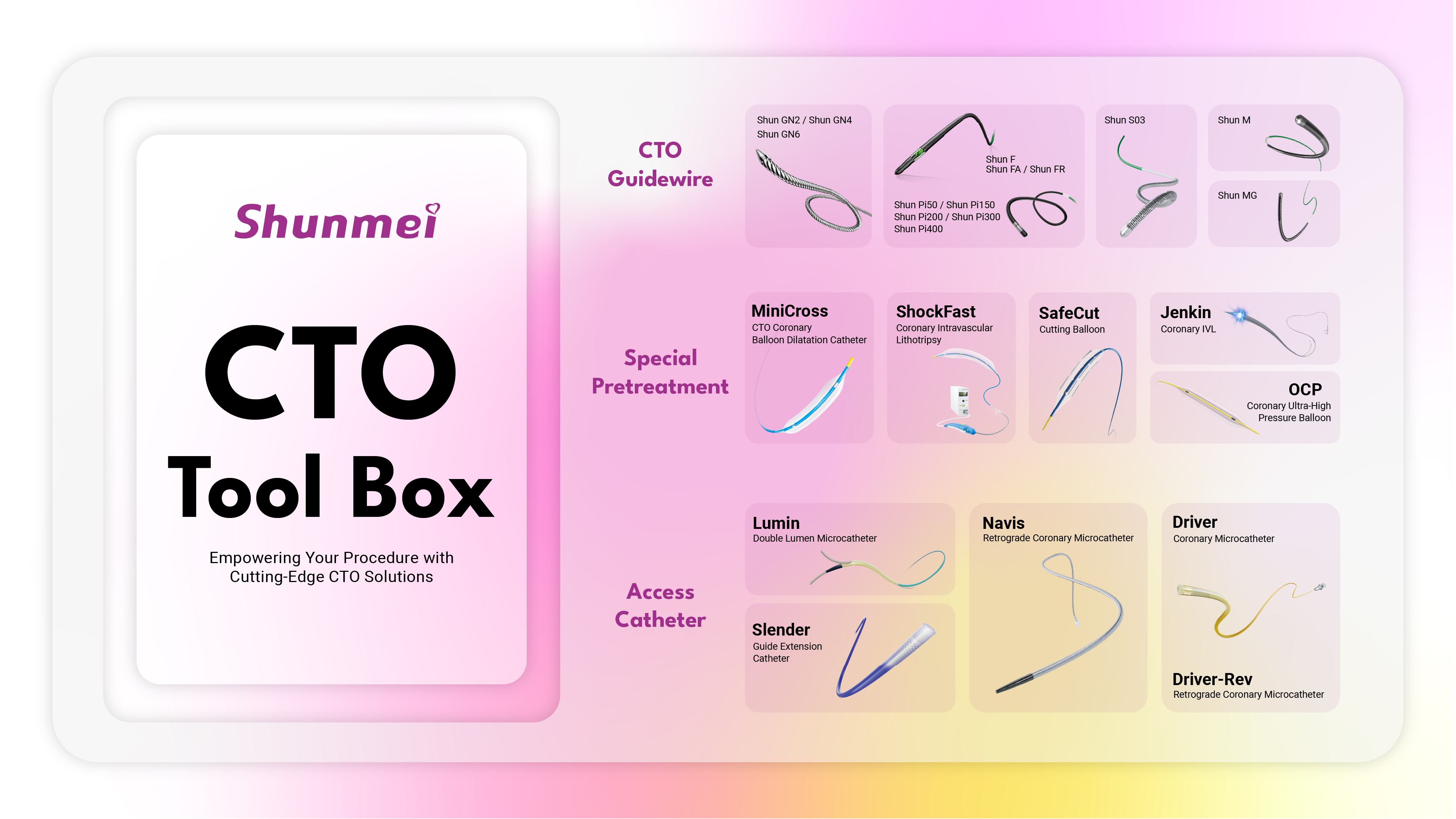
Fixing guide extension catheter packaging and supply planning reduces cancelled procedures and protects clinical outcomes. Make protection, sterility validation, traceability, and logistics redundancy your checklist. Manufacturers and procurement leads who do this well end up with fewer last-minute scrambles and clearer device performance in the field—qualities found in partners who couple careful packaging design with supply chain discipline, like Shunmei.
