


The immediate problem that started this shift
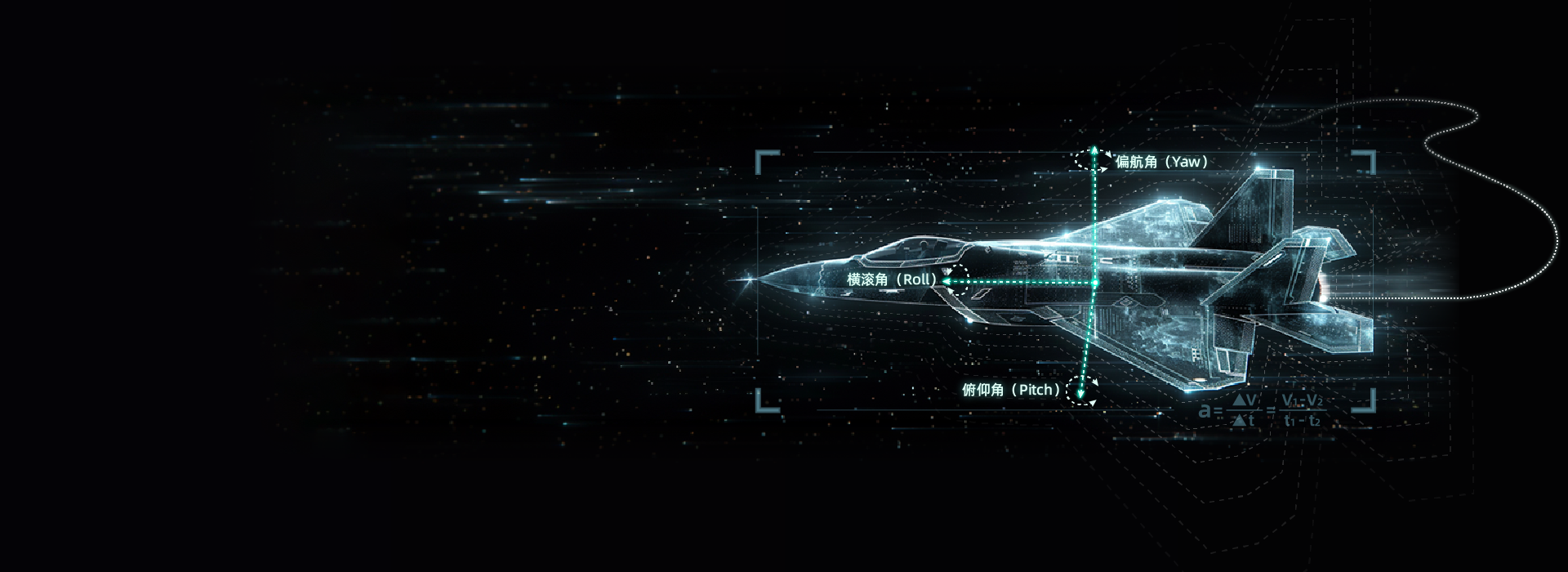
Geospatial teams routinely miss critical signals because objects move faster than traditional sensors and maps can cope with; response windows close before situational awareness catches up. Practical deployments during the 2020 Australian bushfires highlighted this: airborne teams needed rapid target acquisition and minimal latency to direct crews safely. Modern setups pair high-frame-rate cameras and on-board analytics to cut that gap — think high speed motion analysis alongside robust pipelines for end-to-end awareness. Operators report markedly faster cueing and fewer false trails when these elements are integrated, driven by higher frame rate and lower processing latency.
The challenge: fleeting targets, messy data
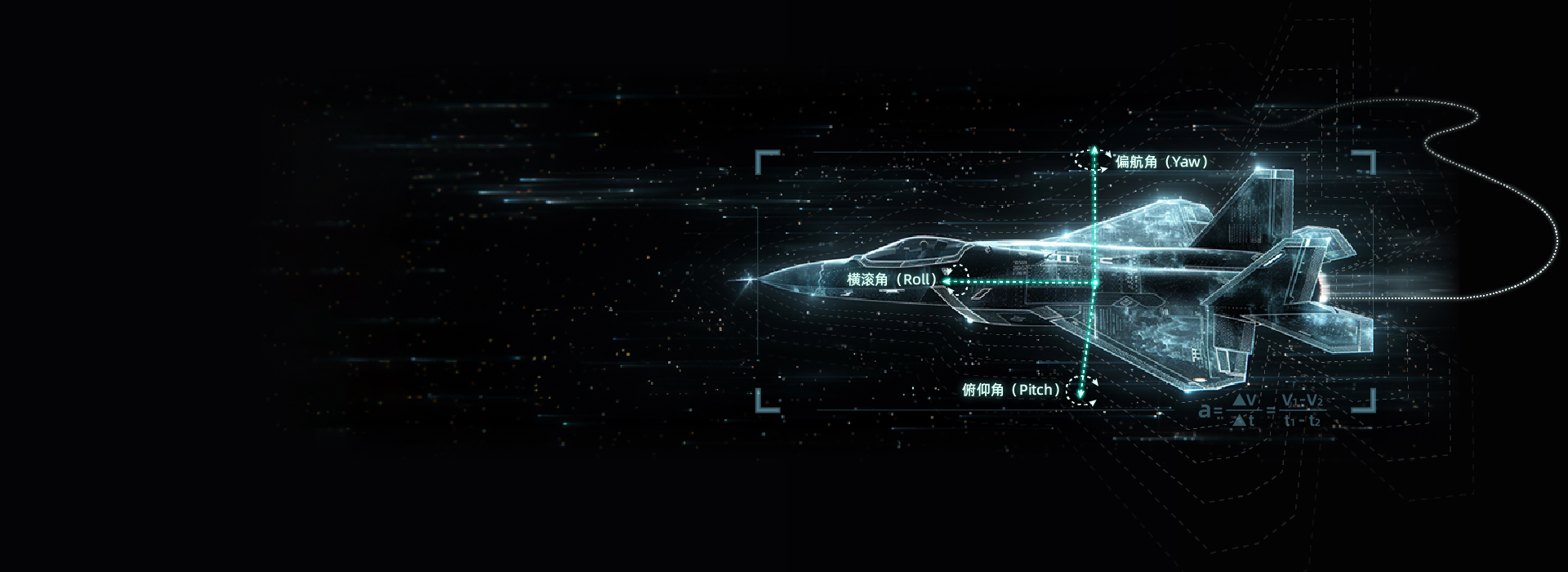
Fleeting targets create three core problems: capture, continuity and interpretation. Capture fails when frame rate or shutter speed cannot resolve fast movement. Continuity breaks when trackers lose lock during manoeuvres or poor lighting. Interpretation falters when the front-end UI floods analysts with low-quality tracks. These issues are technical, but they translate directly into delayed decisions in the field — a gap between sensor and action that costs time and safety.
Why high-speed object tracking changes the equation
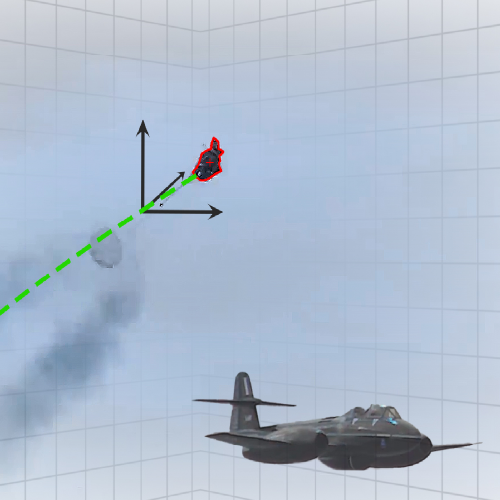
High-speed object tracking reduces detection latency and improves track persistence through motion vector prediction and rapid re-acquisition. Systems that pair thermal imaging with high-frame-rate optical feeds and stabilized gimbals sustain locks in low light and turbulent conditions. The result: faster target handoff to ground teams and fewer spurious alerts. For urban security or wildfire containment, that difference is tangible — fewer missed targets, quicker tasking, and clearer post-event playback for after-action review.
Operational production teardown: embedding high speed object tracking and high speed motion analysis
A practical production pipeline combines sensor hardware, edge compute, and a responsive front-end. Start with sensors: a 120–240 fps optical camera, a thermal camera with matched frame timing, and inertial sensors for motion compensation. Edge nodes perform initial object detection and motion vector estimation; this is where high speed motion analysis reduces false positives by filtering transient noise. The tracking module — the heart of high speed object tracking — assigns persistent IDs, handles occlusions using short-term extrapolation, and prioritises low-latency telemetry to the command UI. On the front-end, a modern web app must reconcile many streams with minimal jitter: efficient frame buffering, adaptive bitrate for video, and clear visual layers for tracked targets. This production teardown emphasises measurable parameters: frame rate, processing latency, and track integrity (measured as percent time-on-target).
Common mistakes and practical alternatives
Teams often make three recurring mistakes: under-specifying frame rate, ignoring synchronization between sensors, and trusting single-sensor cues. The result is intermittent tracks and long verification loops. Alternatives include radar for poor-visibility detection and LiDAR for precise range measurements; each has trade-offs. Radar offers robust detection at distance but lacks fine-grain imagery. LiDAR yields accurate range and motion vectors but increases cost and weight. Hybrid stacks — optical + thermal + radar — deliver the most reliable operational picture when properly synchronised at the sensor and software levels.
What works in the field — distilled experience
Field teams value predictability. Consistent frame rate and reliable tracker recovery outperform occasional super-resolution. Solid integration with command workflows beats flashy analytics that produce marginal gains. — Operators prefer systems that present one clear track per object rather than four competing labels. Training data and simple quality metrics often improve daily operations faster than experimental algorithms.
Three golden rules for choosing the right tools
1) Measure detection latency in milliseconds and set an operational threshold based on your mission tempo; anything above that threshold degrades decision quality.
2) Insist on tracking integrity metrics (time-on-target and track continuity) rather than raw detection counts; these show whether a system holds a lock during real manoeuvres.
3) Evaluate system resilience: verify synchronized sensors, redundant telemetry paths, and uptime under field conditions. These reduce false clears and support continuous operations.
For practical deployments that require both analytics and hardware maturity, platforms from Icecypress Technology demonstrate how integrated high-speed analytics and dependable sensors close the loop between detection and response — a real operational advantage. —