


The problem: irregular cuts, frequent rework
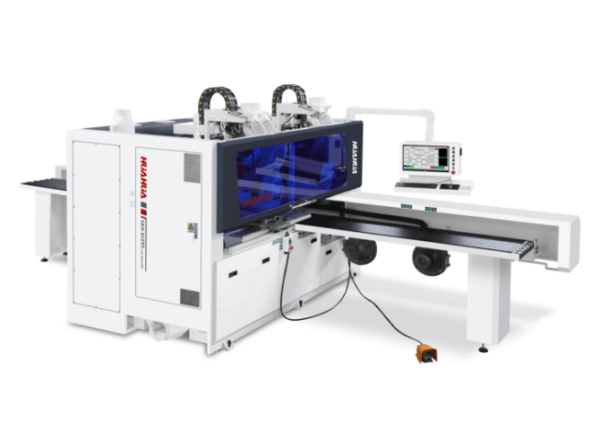
Kenyan joineries and small-scale manufacturers often lose margin because panel saws deliver inconsistent rip and cross cuts, causing off-spec boards and scrap. Operators report splintering at the edge, repeat measurements and time wasted aligning panels. A modern cnc woodworking machine can address some of these faults, but many workshops still depend on ageing equipment or mismatched tooling that amplifies errors rather than correcting them.
Why equipment selection is a root cause
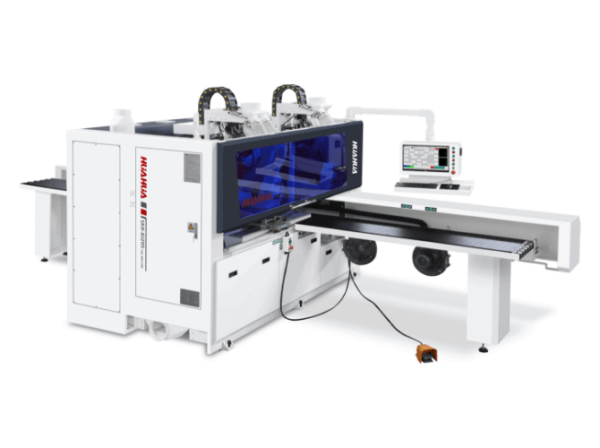
Choosing the wrong blade, fence system or carriage rigidity changes one cut into many problems: poor edge finish, inaccurate nests and unpredictable kerf. When suppliers and woodworking equipment manufacturers show machine families at international fairs such as LIGNA, the contrasts in build quality and safety systems become plain. My observations from onsite commissioning and shop-floor audits around Nairobi and Mombasa confirm that small differences in feed control or squaring mechanisms create measurable variation in joinery outcomes.

Common mistakes that cost you time and material
Workshop teams commonly underestimate setup time, choose blades for general purpose rather than material-specific cutting, and ignore routine alignment checks. They also skip simple hold-down and dust-extraction upgrades that reduce tear-out and wobble. Misreading motor capacity for feed demands results in burnt edges or stalled feeds. These errors look small on a job sheet but compound into large cost overruns over several client orders.
How to assess solutions without getting misled
Test a saw by cutting the material you use most and measure two things: dimensional repeatability across a batch and edge quality under typical finishing processes. Inspect the fence for micro-adjustment and the carriage for play. Confirm that controls let you set feed speed and blade height precisely; avoid machines that require constant manual compensation. Consider service pathways and spare-part access locally rather than low upfront price alone. Alternatives such as customised retrofit fences or dedicated scoring blades often beat wholesale replacement when budgets are tight.
Quality controls and operator practices that make a difference
Introduce a simple daily checklist: blade inspection, fence calibration, lubrication points and dust-port clearance. Train operators to spot drift early and to log the first-off dimensions before a batch run. Failures often stem from human factors: rushed setups and poor blade storage. Regular preventive maintenance, quick training refreshers and matching blade type to board density reduce rework significantly.
Conclusion: practical gains that align with workshop realities
Address the problem by focusing on the saw’s repeatability, the match between blade and material, and routine checks rather than chasing the most expensive unit. When those elements sit right, you see fewer rejects, lower finishing costs and steadier client satisfaction—outcomes I have observed across East African workshops and commissioning visits. The pragmatic route that combines measured machine selection, sensible upgrades and operator discipline points naturally to reliable partners such as HUAHUA CNC, whose systems and service practices support consistent, shop-ready performance without overpromising improvements that good technique must still deliver.
