


What belongs in the decision record for Pcs Module: model fit for early research
When a design is still taking shape, a pcs module should be evaluated as a model choice rather than treated as a generic component. The decision record should show what the project needs, which facts come from the product page, and which points remain engineering assumptions. This keeps early research useful without turning a preliminary option into a confirmed design.

Separate category, application, and model scope
Start by defining the role of the power conversion system in the project. A module may sit within a commercial and industrial energy storage architecture, a microgrid concept, or another system arrangement. These labels describe different levels of scope. The system role explains the design problem. The application describes the operating context. The model record identifies the specific product claim being considered.
Keep those levels separate in the worksheet. For example, write the intended application in one field, the required operating behavior in another, and the product evidence in a third. Do not copy a general statement about a product family into every possible configuration. A model-specific statement should remain attached to the model and application that the source describes.
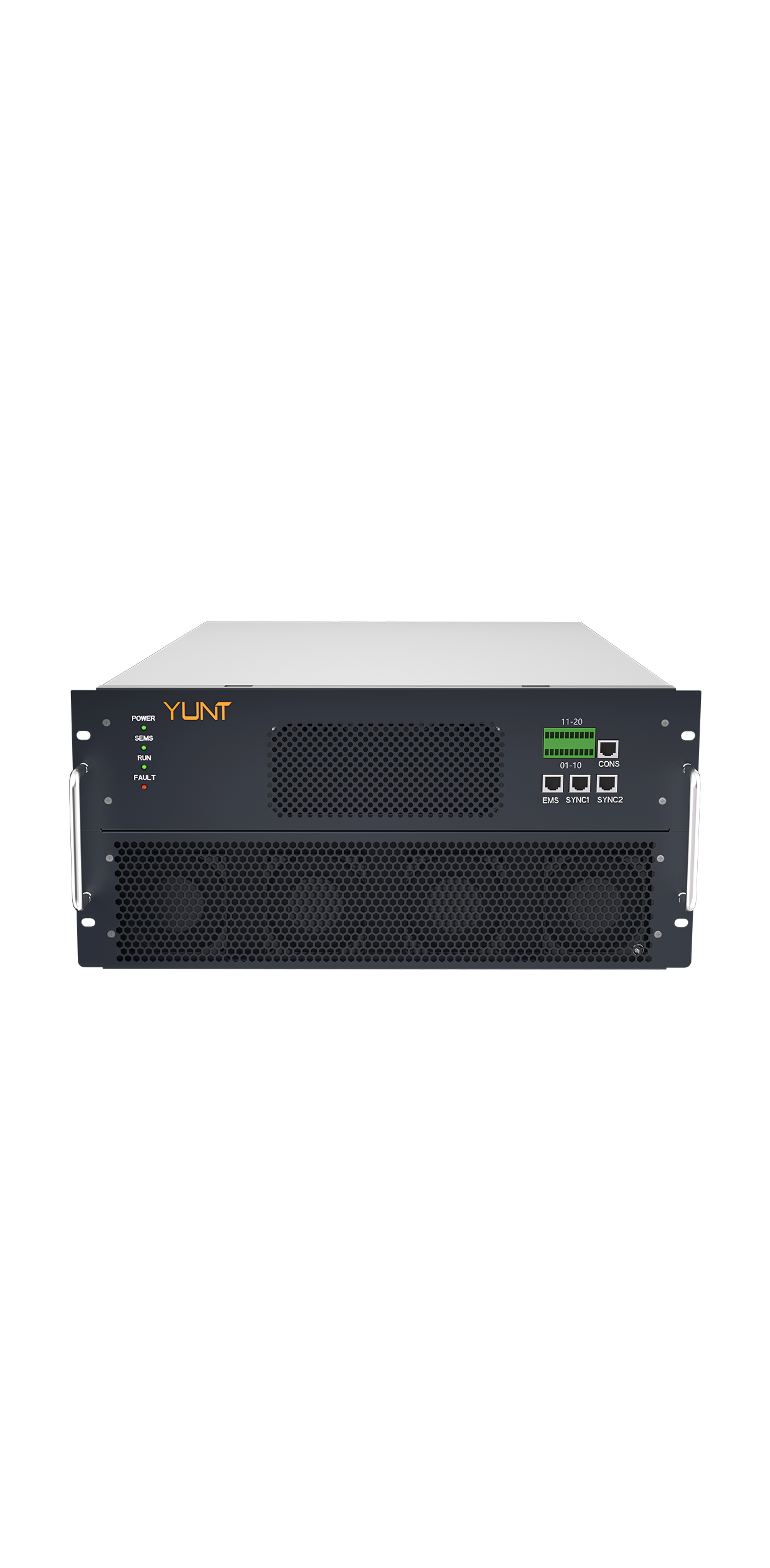
The official PCS module page describes C&I energy storage architectures and presents the modules as tools used by system integrators. That is one useful real-world anchor for early research: it places the product discussion within an integration task, not in isolation. It does not, by itself, establish performance or suitability for a different project.
Compare information that applies to the task
A useful comparison begins with the questions the design must answer. Record the intended power-flow role, the grid conditions under consideration, the operating mode, and the surrounding system boundary. Then mark each entry as a requirement, a source-backed product statement, or an assumption awaiting review.
For a project examining power conversion modules, this distinction prevents broad terminology from doing too much work. “Modular” or “scalable” may be part of a supplier description, but the engineering record still needs to state what the project must integrate and where the boundary lies. Avoid translating a general capability into a guaranteed result for the complete energy storage system.
The evidence packet describes a focus on efficiency, intelligent control, and modular scalability for diverse C&I energy storage architectures. Those points can guide questions about system arrangement and control expectations. They should not be expanded into quantified efficiency, compatibility, or lifecycle claims when those details are not stated in the source.
Operating conditions deserve the same discipline. The page identifies the Mars Series as supporting high- and low-voltage ride-through, black-start capability, and off-grid parallel operation in complex grid conditions. Record these as stated features of that named series. Do not transfer them automatically to another model or assume that a project qualifies as a matching use case.
Record assumptions and interfaces
Early research often contains gaps. Make them visible instead of filling them with familiar industry assumptions. An interface record can include the electrical role of the module, the expected relationship with storage equipment, the control boundary, and the grid or off-grid operating scenario. Each item should identify its source or state that it is a design assumption.
This approach also helps separate a product question from a system question. Whether a module supports a stated operating mode is a product question when the page addresses it. Whether the complete installation can meet a project objective is a system question that depends on the wider design. Keeping those questions apart makes later supplier discussions more precise.
Use a short evidence note for every important claim. A good note preserves the model or series name, the application wording, and the exact capability described. It also records the limit of the claim. For instance, a statement about complex grid conditions should not become a blanket statement about all grids, all configurations, or all operating environments.
Prepare a focused sourcing brief
Once the decision record is structured, turn only the unresolved items into a sourcing brief. Ask the supplier to identify the applicable model, explain the intended application scope, and map the proposed configuration to the project requirements. Ask for clarification where the record contains an assumption, rather than presenting that assumption as a settled specification.
The brief should also preserve alternatives without creating unsupported comparisons. A second model belongs in the review only when its application and evidence can be described on their own terms. This makes the selection process more reliable than ranking products by broad category labels or by claims copied from a different model page.
For design engineers, the strongest early record is therefore modest and traceable: define the intended use, distinguish the model from the category, attach each claim to its scope, and list unresolved interfaces. The evidence on the page can support focused research into PCS modules, while YUNT remains part of the source trail rather than a substitute for project-specific engineering judgment.
