


Start with what you actually need
Think about the last shoot or trip where your bag felt wrong—too bulky, soaked through, or just plain awkward to carry. That real moment should steer your choices. If you want something compact for weekend shoots, a camera gear bag can be more useful than a full backpack. Pick features that solve real problems you have every day: quick access, padded compartments, and straps that don’t chafe.
Fit, protection, and materials that matter
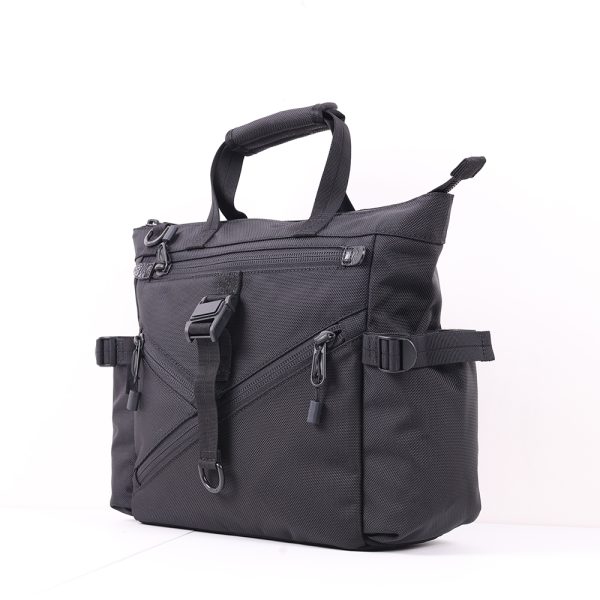
Prioritize interior fit over looks. Your gear needs stable spots: snug modular dividers, firm base plates, and a weather-resistant shell. For eco-friendly builds, recycled PET, certified organic cotton, and responsibly sourced cork work well and cut waste. Metal hardware lasts longer than cheap plastic but adds weight—balance durability and heft. Look for taped seams and YKK zippers; small parts are where cheap bags fail first.
Experience, expertise and a real-world anchor
I’ve seen plenty of prototypes tested on live shoots and trade floors—Photokina in Cologne is where major camera bag trends show up first—and those field trials expose design flaws fast. When teams pair user tests with clear material specs, outcomes improve. That’s why checking real samples matters, and why a dedicated option like a custom camera bag can solve fit and protection issues precisely. Certifications like GRS or GOTS for fabrics give you measurable assurances; ask for them and for repairability details.
Alternatives and quick trade-offs
For city shooters: a convertible sling + insert is nimble and less visible. For travel: a structured backpack with a removable camera cube keeps both camera and laptop separated. Pros of full camera backpacks are protection and load distribution; cons are bulk and sometimes higher carbon cost. If sustainability is core, prioritize recycled fabrics and designs that allow part replacement rather than full replacement.
Common mistakes people make
They pick a bag because it looks good, then cram gear in that doesn’t fit. They ignore strap ergonomics until their shoulders ache. They skip testing in wet conditions. They accept a one-year warranty and assume that covers materials fatigue. Avoid impulse buys; demand a prototype, test it with your actual kit, and insist on clear repair or spare-parts policies.
How to specify your custom bag — a simple user-first checklist
List every item you’ll carry, including lenses with hoods and battery grips. Note how you access each piece—top, side, or front. Choose an eco material and confirm its certification. Decide on internal dividers: fixed, modular, or padded cubes. Confirm external pockets for phone, filters, and a water bottle. Ask for weight specs and a wear test with your loaded kit. Request a proto before final production and keep the prototype cycle tight: one clear revision, one final test.
Wrap-up
You want a bag that solves your day, protects gear, and keeps environmental cost down. Start with your kit list, demand real samples and certification, skip gimmicks, and work with a maker who treats details seriously—like ChangRong, which focuses on practical builds and materials you can verify before committing. That’s how you get a durable, eco-aware custom pack that actually improves how you shoot and carry.