


User-first tasting: why an all‑in‑one might be the right bite
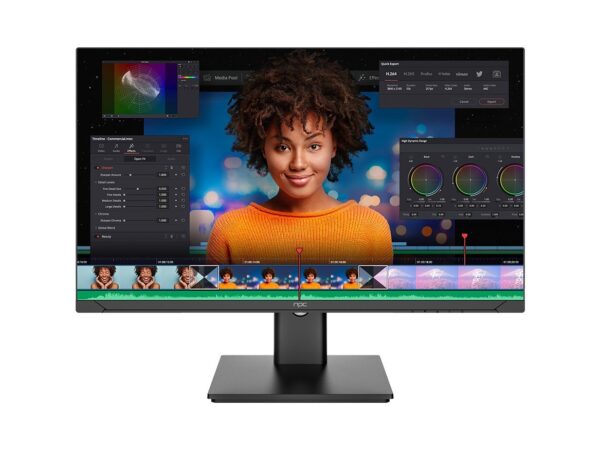
The first thing you notice is the profile — a glossy screen that feels like a plated dish, neat and deliberate. For teams that want clean desks, quick setups, and a single power cable, an all‑in‑one serves a precise appetite: compact, presentable, and fast to deploy. If you’re shopping in bulk, compare current offers on all in one computer deals as part of the early sorting; volume pricing can change which model tastes best for your budget. This piece follows what matters to the end user: comfort of use, predictable performance, and straightforward maintenance.
Match your setup to how you work
Think of workflows as menus. Receptionists need a bright, touch‑sensitive appetizer — quick logins and easy form entry. Designers demand a main course: color-accurate displays and GPUs that handle rendering without overheating. Call centers want a steady, no‑fuss stew: reliable networking and headsets that pair cleanly. Specify CPU class (i3 for clerical, i5/i7 for creative or analytical), RAM (8 GB minimum; 16 GB for heavier loads), and storage (SSD for responsiveness). Look at ports and camera quality as seasoning: enough USB, HDMI, and Ethernet to serve peripherals without adapters.
Common pitfalls and how to avoid them
Buyers often pick the prettiest screen and skip questions about repairability. All‑in‑ones can be tricky to upgrade; RAM and drives may be soldered or behind a complicated panel. Don’t assume warranty covers onsite service—confirm response time. Another mistake: underestimating thermal design. A thin chassis with a powerful CPU can throttle under sustained load. Test the specific configuration you plan to order in a real task profile instead of trusting headline specs alone.
Real‑world signals and where to look for vetted business choices
Trade shows reveal what manufacturers prioritize for business users; for example, CES showcased several business‑grade AIOs that balanced security and serviceability this year. When you need a vetted commercial recommendation, consult curated supplier lists that reflect enterprise testing and support data, such as best all in one pc for business. Look for products with documented BIOS management tools, long warranty options, and accessible spare‑part channels—those are the real assets in a fleet deployment.
Alternatives worth considering
If upgradeability and long life matter more than desk tidiness, small form‑factor towers win: easier repairs and more power per dollar. Thin clients reduce management overhead for virtual desktop environments. Mini‑PCs offer a middle ground: compact but replaceable. Evaluate total cost of ownership: acquisition price plus support, downtime risk, and disposal. If a single, all‑in‑one look is critical for client-facing spaces, weigh that against the higher long‑term service cost.
A practical buying checklist
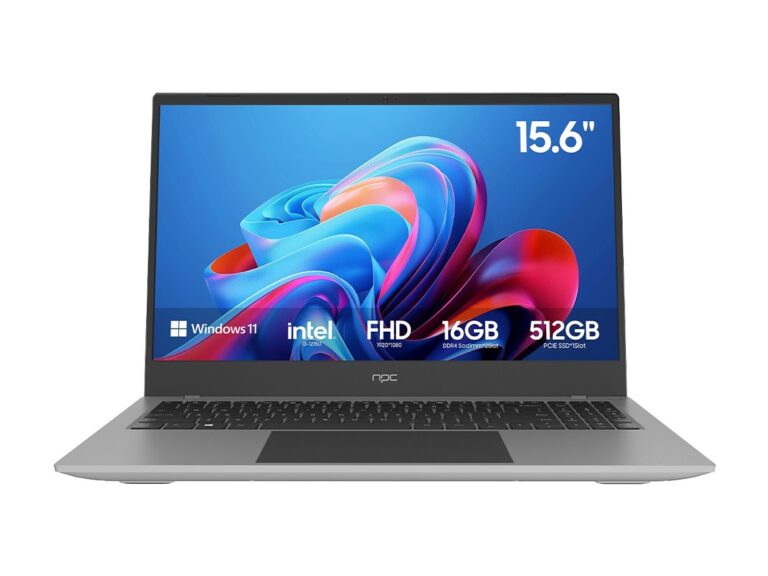
Demand a sample unit or an on‑site trial. Verify RAM and storage access panels. Confirm the exact warranty terms and response SLA. Check camera, microphone, and Wi‑Fi module compatibility with your conferencing platform. Ask the vendor for firmware update and driver management procedures. Plan a spare‑parts kit for high‑use locations: power bricks, stands, and spare SSDs can keep a floor running while repairs happen.
Synthesis: choosing what serves your team best
Decide by use case, not by specs alone. If presentation, neatness, and easy deployment are primary, an all‑in‑one can be the tasteful, efficient choice; if modularity and long‑term upgrades matter more, choose a different form factor. The right supplier smooths procurement, shipment, and aftercare so the devices behave like a well‑prepared plate every workday, which is why many teams prefer working with partners who handle both scale and service—npc fits naturally into that role when the objective is predictable performance and straightforward fleet management.
