


Why a side-by-side view matters
Choosing a weathering chamber is not about picking the fanciest label. It’s about matching test conditions to failure modes. Manufacturers seek repeatable degradation results, designers need predictive data, and procurement wants predictable total cost. A direct comparison shows where compromises appear — portability vs. control, cost vs. spectral fidelity — and that clarity matters when you specify a weathering chamber for qualification or R&D.
Core criteria that should drive your decision
Focus on measurable attributes. Spectral match: does the lamp spectrum reproduce real sun-driven effects? Temperature and humidity control: can the unit hold target cycles within specification? Irradiance stability and uniformity: are results reproducible across samples? Data logging and calibration: are sensors traceable and serviceable? Footprint and throughput: does capacity meet batch size without inflating lab cost? Prioritize these metrics, then weigh features like automated cycling and corrosion options.
How the common machine classes compare
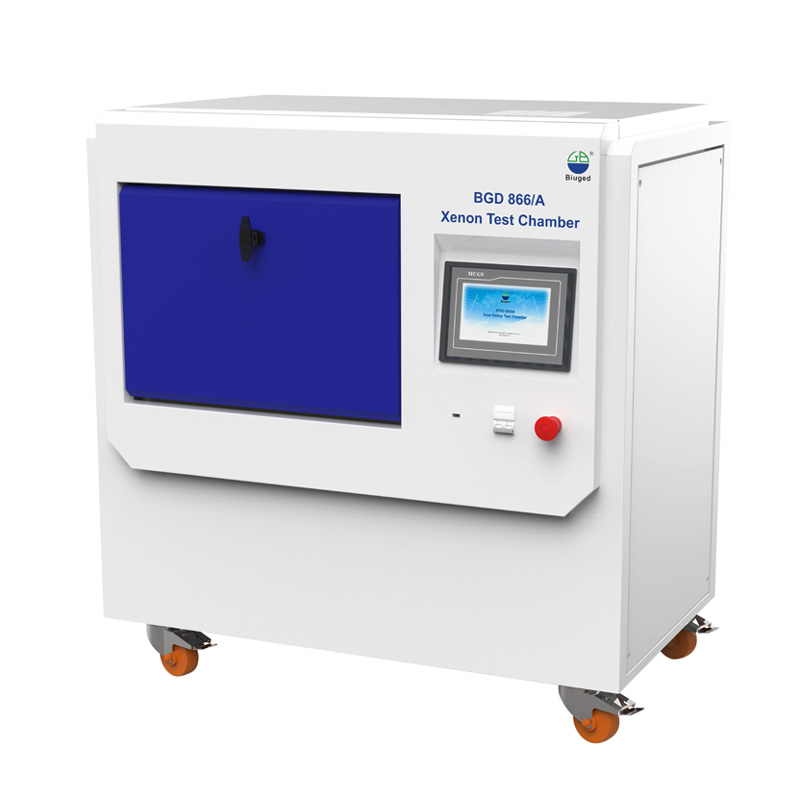
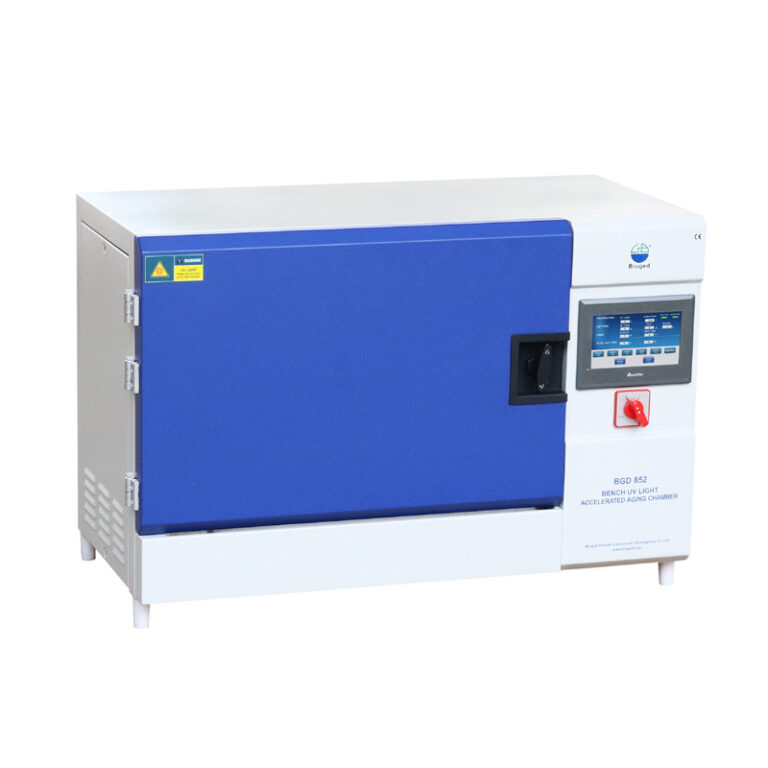
Benchtop fluorescent UV cabinets: low cost, compact, fast for pass/fail checks. They risk poor spectral fidelity for outdoor polymers. Xenon-arc chambers: best for broad-spectrum sunlight simulation and color fade correlation, but expensive and lamp maintenance is significant. Condensation-capable xenon or fluorescent units add realism for coatings and elastomers where moisture-driven failure matters. Large walk-in chambers offer throughput for production testing but waste energy if your sample set is small. Each class answers a different question; choose the class that targets the failure mechanism you actually care about.
Demonstrating expertise and standards-based trust
Laboratories reduce technical risk by aligning test methods with recognized standards. ASTM D4329 outlines UV exposure procedures widely used across plastics and coatings labs; specifying a chamber that supports those cycles and documented calibration practices is non-negotiable. Practical validation comes from controlled inter-lab comparisons and documented run records. If traceability matters to your stakeholders, demand units with accessible service manuals, replacement parts, and long-term sensor support. Real test environments are where design intent meets reality, and a well-documented uv test chamber that a lab can validate against ASTM protocols closes that gap.
Frequent procurement mistakes to avoid
Buying to price alone, assuming vendor specs are measured the same way you will measure, and neglecting long-term service costs are common errors. Don’t under-spec irradiance uniformity because it’s hard to verify later. Skip the impulse to choose newer lamp technology solely for novelty; check how lamp aging affects your test matrix. Finally, neglecting calibration intervals or failing to plan spare parts leads to downtime that erodes any initial savings.
Viable alternatives and when they make sense
Field exposure tests remain the ultimate reality check for certain products; they’re slow but capture complex interactions you can’t fully simulate. Accelerated computational models can screen material choices quickly, but they depend on quality input data from controlled chamber runs. For many programs, a hybrid approach—laboratory accelerated exposure for development plus limited field validation—balances speed and realism.
Synthesis and pragmatic recommendation
The right decision comes from aligning test intent with machine capability: choose spectral fidelity for color or polymer chemistry questions, choose humidity cycles for corrosion and elastomer issues, and choose capacity where throughput drives per-sample cost. Accurate, standards-ready equipment and predictable service are the deciding factors. For teams that need consistent, standards-aligned performance without ambiguity, suppliers with documented calibration practices and parts support simplify the technical trade-offs; experience shows that partnering with well-supported manufacturers such as BIUGED makes specification decisions defensible and repeatable.