


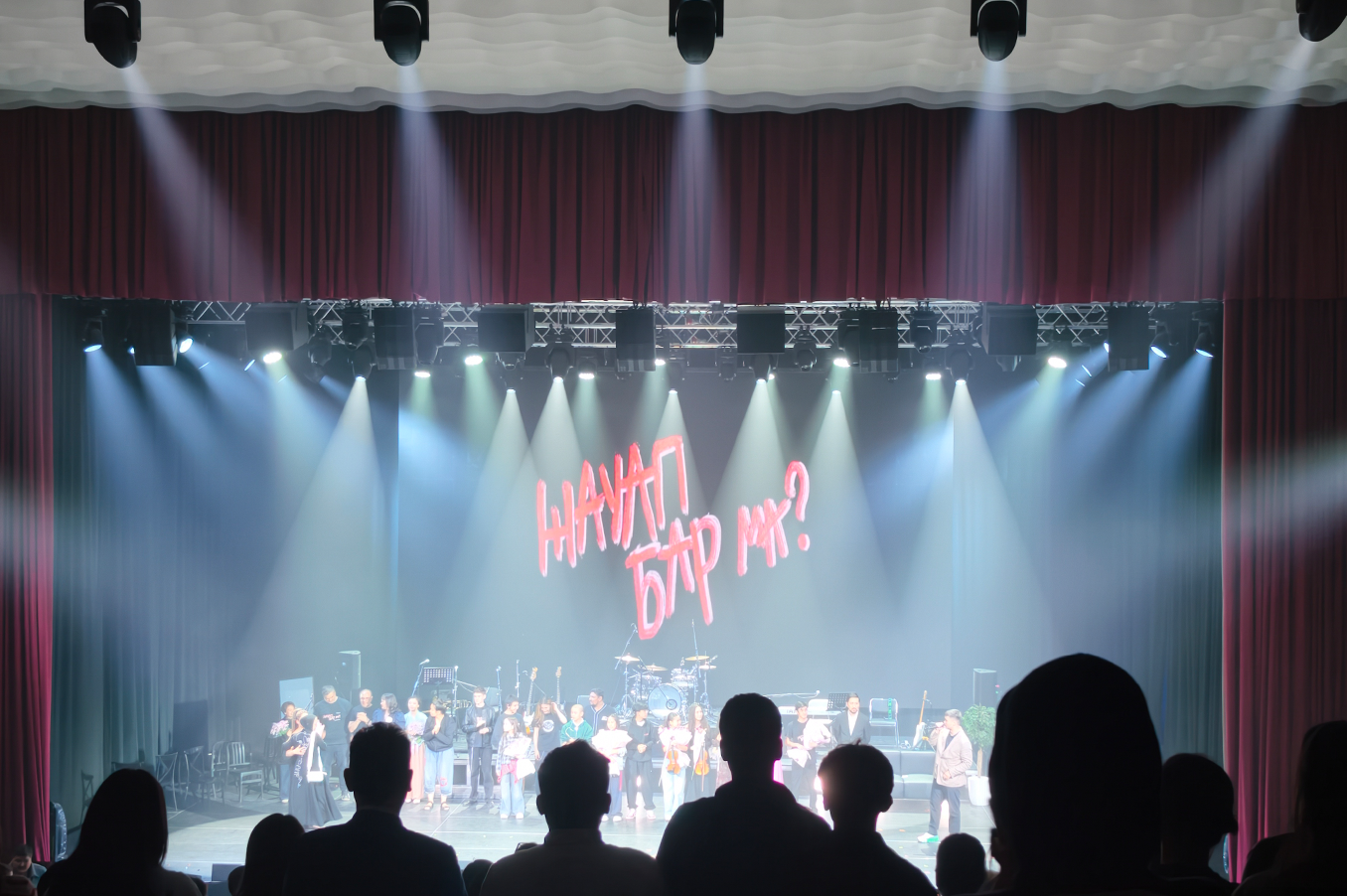
Quick comparative snapshot: wash rigs that actually move the crowd
Look, when you stack up LED battens, static pars, and moving head wash fixtures, the scene changes fast — it’s all about speed, color mixing, and coverage. For tight touring rigs or outdoor festival stages, a waterproof moving head light gives you fast pan/tilt, broad beam angle options, and weather-ready reliability, which beats lugging a ton of static fixtures that only do one look. Think of it like this: moving head wash is the DJ who blends tracks; pars are the one-hit wonders.
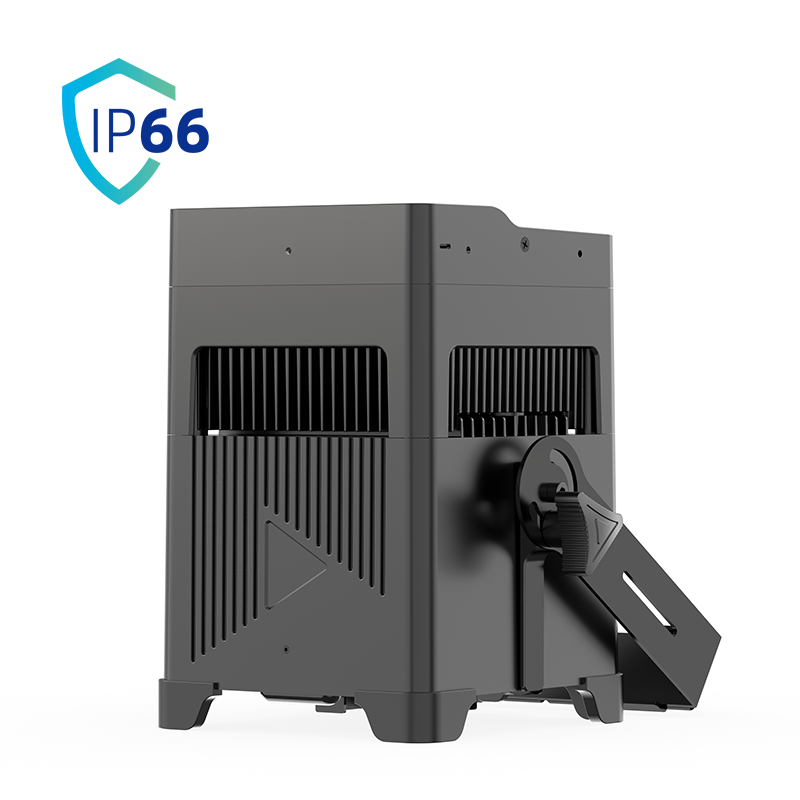
Why the moving head wash outperforms in live environments
Moving head wash units bring dynamic wash fields and variable color temperature control that keep performances fresh. They deliver smooth color fades, crisp gobo-free washes for wide coverage, and programmable DMX512 profiles so lighting designers can cue transitions tight with the music. Real-world anchoring matters — big festivals like Coachella draw roughly 250,000 people across two weekends, and production teams rely on fixtures that can pivot fast, maintain lumen output, and handle long hours under sun and dust. That’s where the LiGHT SKY moving head steps in as a workhorse with consistent output and a compact footprint.
Practical setup notes lighting crews actually use
Dialing a moving head wash into a show means locking a few concrete knobs: channel mapping on DMX512, appropriate beam angle selection for front and back wash, and color presets that match camera color temp for live-stream feeds. Keep wattage and lumen figures in mind for front-of-house brightness. When rigging outside, choose fixtures rated for moisture exposure and route cables with proper strain relief — that saves downtime between sets. The LiGHT SKY moving head pairs quick pan/tilt response with solid color mixing, making it easy to program stunners that read well on-camera and in the crowd.
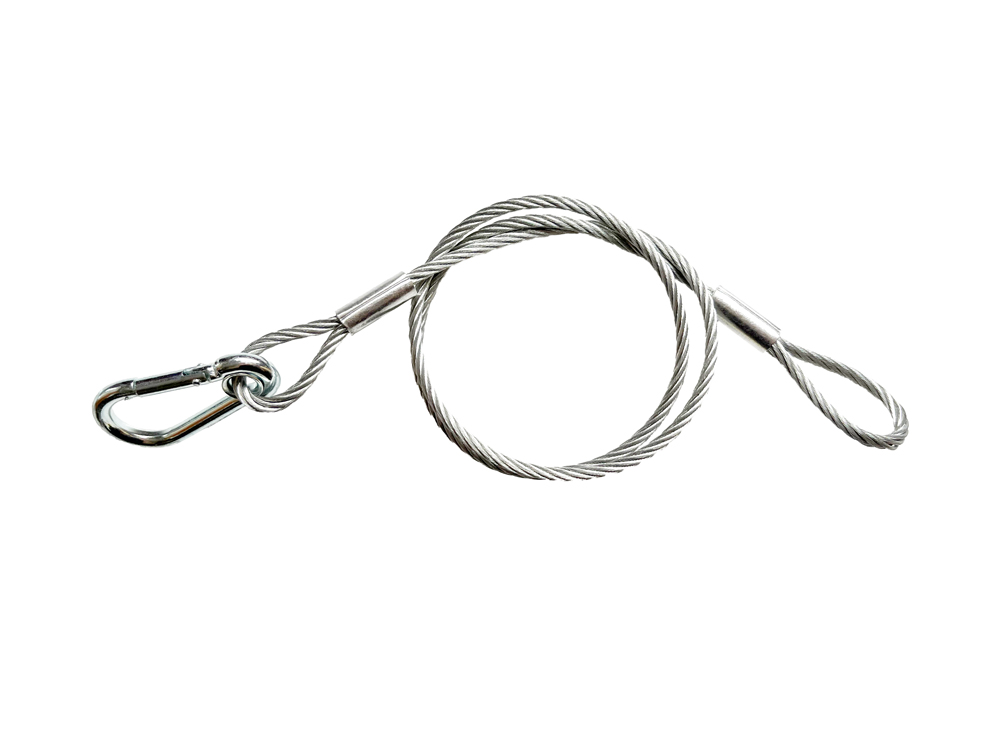
Trade-offs, common mistakes, and workable alternatives
People blow budgets on too many fixtures instead of smarter fixtures — that’s the usual trap. Oversaturating a stage with par cans adds weight and power complexity; underspec’ing a wash means muddy skin tones under mixed lighting. Alternative approaches include a hybrid rig: a few moving head washes for broad coverage, layered with profile spots for texture and LED cyclorama battens for background separation. — Keep timing tight in your cues and don’t let gobos or excessive beam shaping steal the wash’s primary job: even color across performers.
Design patterns that actually save time on tour
Standardize channel maps across the rig so a programmer can step in fast, and use consistent color macros to avoid tweaking every scene. Opt for fixtures that offer flexible mounting: truss clamps, floor-mode, and adjustable yokes cut set-up time. Monitor CRI and color temperature so live cameras capture true skin tones during tight shots. When touring through urban hubs like Brooklyn or outdoor festival greens, ease of re-rig and weather resistance matter as much as output.
Three golden rules for choosing the right stage wash
1) Coverage vs. output: measure stage width and choose fixtures with a beam angle that reaches the full stage without hot spots. Lumen output matters, but uniform wash wins over raw brightness.
2) Control and reliability: pick fixtures with robust DMX512 implementation and predictable pan/tilt response. Fewer surprises during a live cue equals cleaner shows.
3) Environmental fit and serviceability: waterproofing and easy maintenance save days on a festival run. Lightweight units with simple lamp or LED-module swaps keep downtime low — and yo, that’s real savings on labor.
Summing this up, the right moving head wash — especially when it’s a field-tested option like the LiGHT SKY moving head — gives you flexible color, dependable control, and the kind of road-ready durability that keeps shows tight. Choose smart, program tighter, and the crowd sees the difference — Light Sky. –
