


A Table Is Set, and the Room Learns
Light has become the quiet editor of the home. Every pendant light supplier now meets buyers who expect more than glow; they expect grace and control. Picture a calm evening as the table is laid, the room shifting from task to talk, from bright to mild. Recent retail data shows warm tones lead sales by a wide margin, and high-CRI sources win repeat orders—because color looks true, and faces look kind. Yet a question lingers: why do so many dining pendants still give glare, cast shadows, or buzz at low dim? (Old habits die hard.) If the past taught us to hang a fixture and hope, the present asks us to tune, to measure, and to compare. Let us cross that threshold together, and see what the numbers—and the nuances—suggest next.
The Hidden Gaps in “Good Enough” Dining Room Lights
Why do “pretty” lights disappoint at dinner?
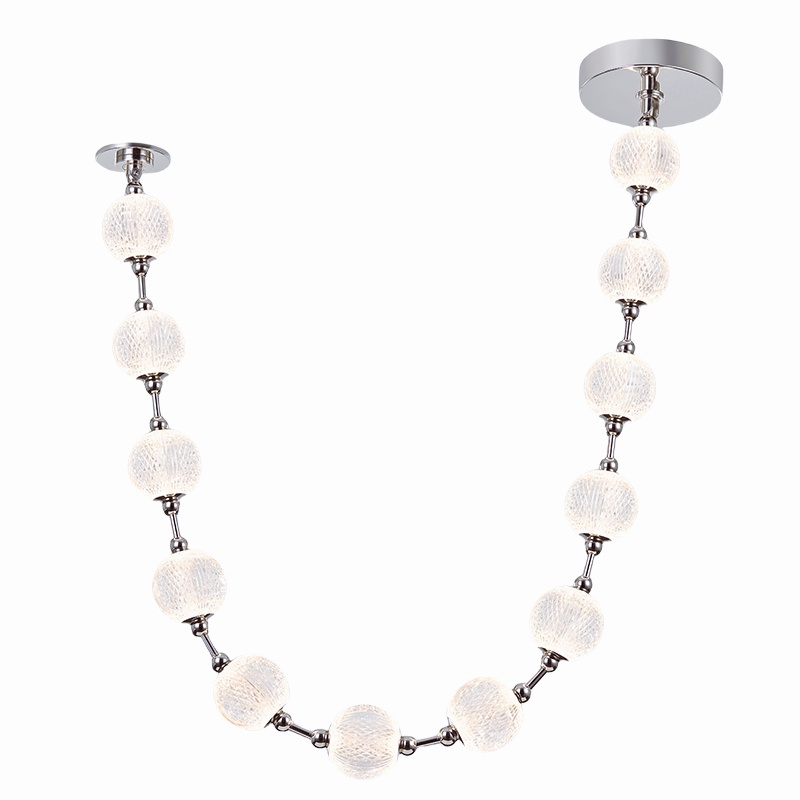
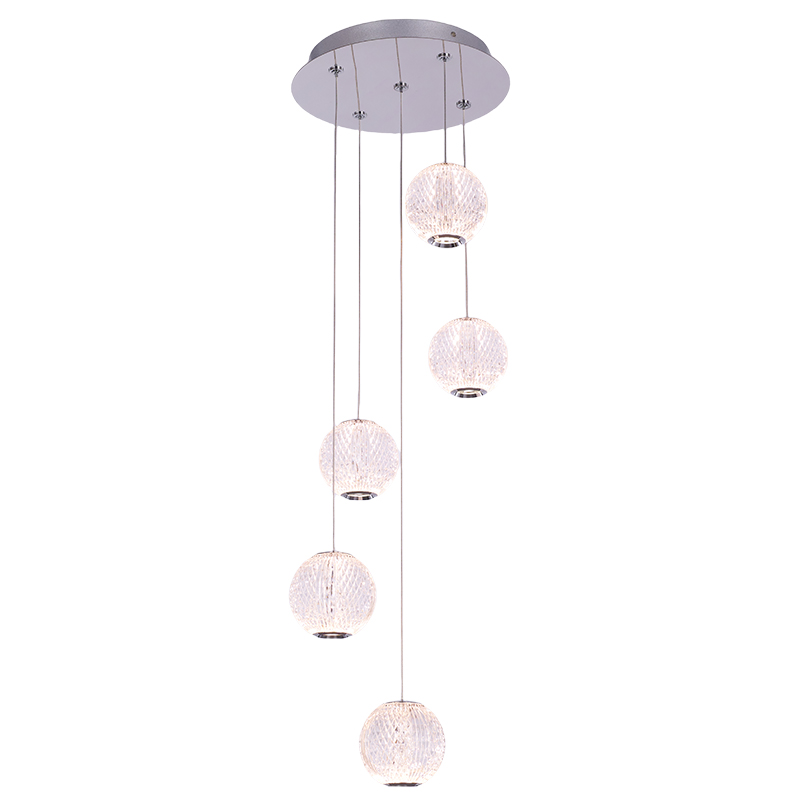
The search for the best pendant light for dining room often starts with shape and finish. It should start with light. Look, it’s simpler than you think. First, aim for high color fidelity; CRI 90+ lets food and skin tones look real. Next, choose the right color temperature (many prefer 2700K to 3000K for evening meals). Check beam angle so the light spreads over plates without hotspots; 60–90 degrees works in most rooms. And make sure the driver is constant-current and flicker-free at low dim. PWM without smoothing can cause eye strain and dull the mood—funny how that works, right?
Traditional picks hide pain points. Oversized shades can trap heat and dull lumen output. A glossy diffuser may raise glare and reduce visual comfort. Low power factor drivers waste energy and hum at 20% dim. Weak dimming curves jump instead of glide. These flaws do not show on a showroom wall, but they emerge at home. The fix is to ask for specs up front: CRI, beam angle, dimming protocol (0–10V or TRIAC), and tested flicker percentage. Keep pendants 28–34 inches above the table plane, and use a wide canopy for stable mounting. With those steps, style follows function—and the dinner feels calm and clear.
From Better to Best: Principles That Shape the Next Choice
What’s Next
Now we look ahead. New drivers use hybrid dimming to keep flicker below 1% while holding color steady. Tunable white modules move from 2200K candle-warm to 3500K bright-neutral, so one pendant can handle prep, meal, and talk—seamlessly. Optical stacks add microprism diffusers for glare control, trimming UGR without dulling sparkle. Heat sinks run cooler, so LEDs keep their color point. In short, the system is smarter, but it remains human at the table. If you compare dining fixtures with elegant pendant lights for kitchen island, note the different jobs: dining wants wide, low-glare spread and warm CCT; islands often need layered light with tighter beam control for prep and pause. Different roles, same rules—measure, then choose.
Consider a near-future scene. Your pendant pairs with a wall control that stores scenes: Prep 3500K at 70%, Meal 2700K at 40%, Late 2400K at 20%. The driver holds color as it dims. The power factor stays high, so the circuit stays quiet—and yes, you will notice. Over time, that means less eye fatigue and more ease. To close with clear guidance, use three metrics when you choose: 1) visual quality, proven by CRI 90+ and low UGR; 2) controllability, with smooth dim-to-warm or tunable white and stable drivers; 3) distribution, with beam angle and diffuser design that match table size and height. These points turn taste into method, and method into comfort. For deeper technical notes and product lineage, see kinglong.