


Opening: the problem that starts every renovation
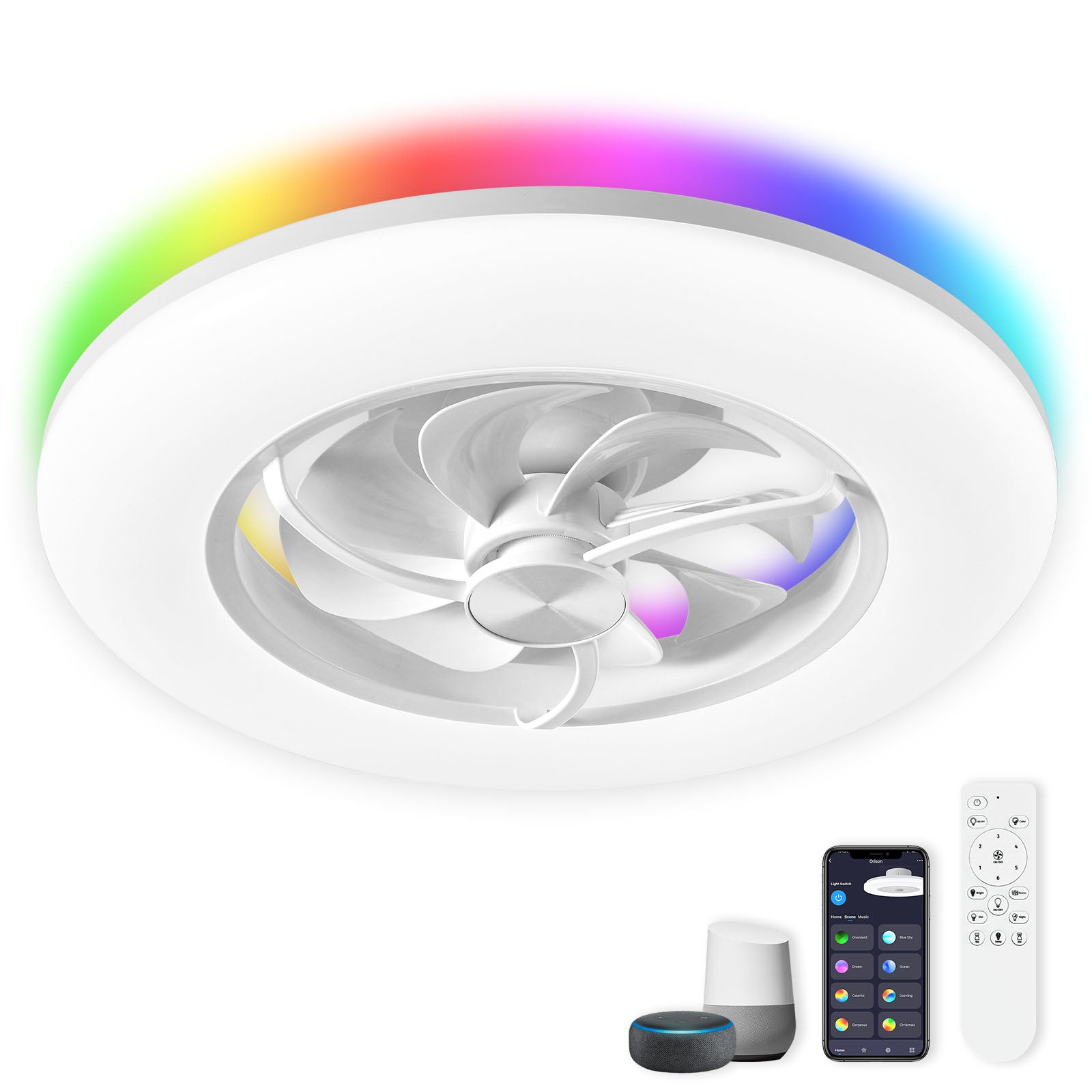
Bathrooms are small rooms with big consequences: humidity, stale air, and the slow creep of mold. That’s why a modern smart ceiling fan with light can be more than a convenience — it’s a preventative tool. In a problem-driven frame, we begin where homeowners and property managers usually do: with a damp patch on the ceiling and the question, “Will this fix actually last?” During the 2020 focus on indoor air quality, many people realized ventilation isn’t optional; it’s essential to wellbeing and to preserving finishes.

What usually fails: common ventilation pain points
Most bathroom ventilation failures come from three simple gaps: undersized airflow, noisy operation, and poor controls. Undersized fans move too little air (CFM matters), so humidity lingers. Noisy fans—measured in decibels (dB)—get turned off. And clumsy switches mean the fan isn’t used when it should be. These are product and behavior issues combined, and they demand a solution that addresses both performance and user experience.
Key metrics to judge next‑gen fans
When selecting an upgraded unit, focus on measurable specs: rated CFM for airflow, dB at operating speed for sound, IP rating for moisture tolerance, and whether a humidity sensor or timer is included. Integration features—like Bluetooth mesh or Wi‑Fi connectivity—matter because they change how the device is used day-to-day. A fan with a reliable LED driver and smooth dimming will encourage longer use; a quiet motor will too. These are the figures that turn a good idea into an effective product.
Smart integration: practical benefits and caveats
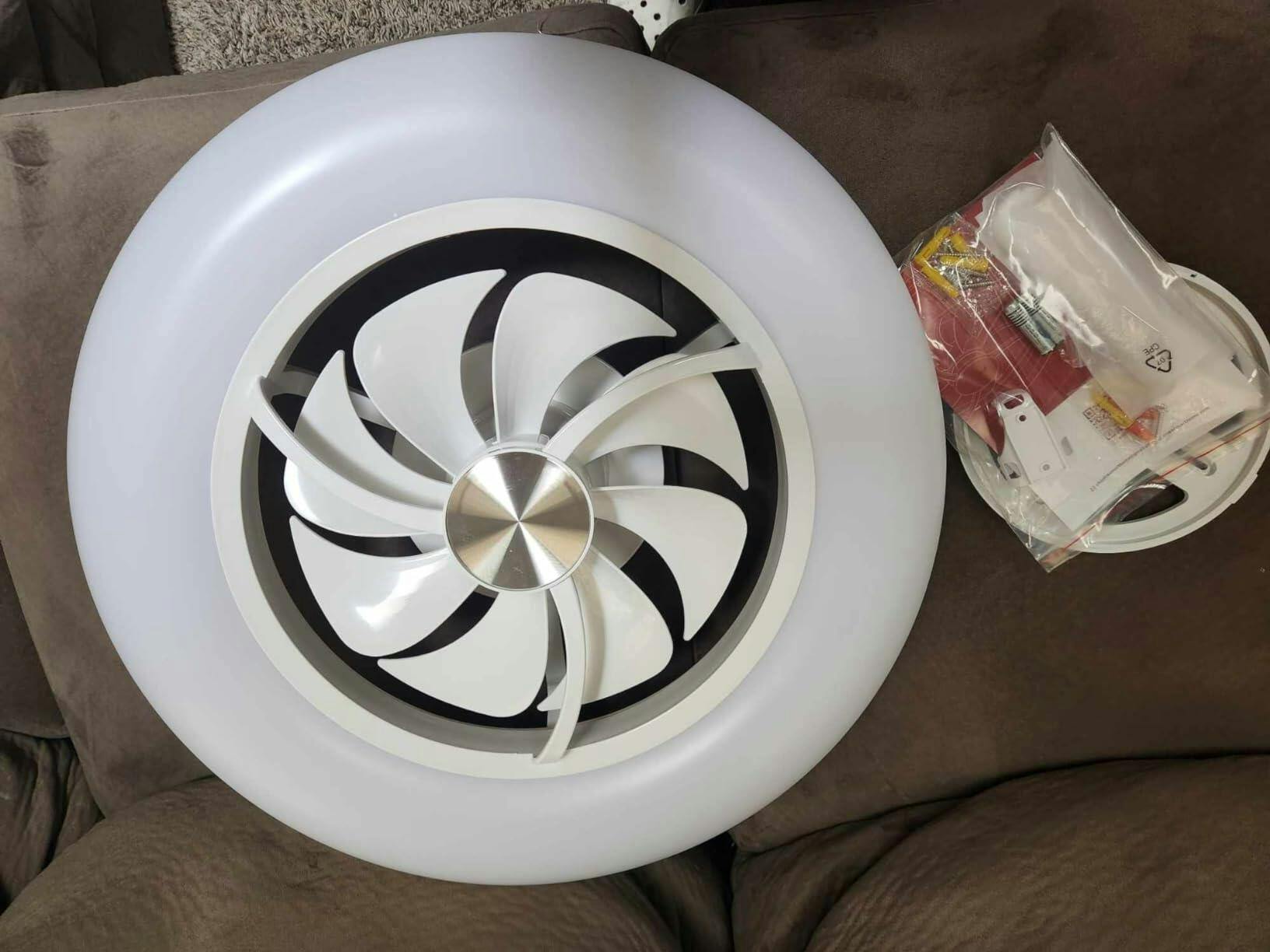
Connecting ventilation to lighting and apps sounds glamorous — and it often is. Smart controls can automate ventilation when humidity rises, link the fan to a night light, or allow scheduling from a phone. That said, complexity brings edge cases: app glitches, firmware updates, and pairing headaches can frustrate non‑technical users. The sweet spot is local automation (on‑device humidity sensing) plus optional app control for remote tweaks — offering redundancy so the fan works even if the network doesn’t. For those who prefer centralized control, look for models that advertise compatibility with broader ecosystems: some consumers search explicitly for ceiling fans with app control to ensure mobile scheduling and group scenes.
Installation realities and common mistakes
People often underestimate the ducting and placement side of the equation — but a high‑CFM fan with poor ducting still fails. Lengthy, kinked ducts reduce effective airflow; a poorly sealed ceiling box leaks sound and reduces efficiency. Another frequent misstep: placing the fan too far from the shower or tub; effectiveness drops with distance. — Also, using a fan rated for general rooms in a steamy bathroom without the proper IP rating invites early failure. Practical installers check clearances, duct runs, and IP44 or better where water exposure is likely.
Comparing products: what differentiates good from great
Good fans meet code and move air. Great models add quiet motors, calibrated humidity sensors, integrated LED lighting with consistent color temperature, and resilient controls. From a user’s perspective, silence and automation win over novelty. From a technical view, durable components like corrosion-resistant housings and serviceable motors extend lifespan. Price doesn’t always predict longevity; sometimes a mid-tier unit with smart features and solid installation trumps a cheap, louder alternative.
Alternatives and when to pick them
If simplicity is your priority, a high‑CFM, timer-equipped fan is a sensible pick. If you want low-profile elegance, choose a unit with integrated LED and a dimmable driver. For whole-home automation, prioritize models that support standards like Bluetooth mesh or popular smart hubs. Each path answers a different need: retrofit ease, design integration, or smart-home orchestration — your choice should follow the dominant problem you’re solving.
Real-world anchor and EEAT
EEAT mode: experience-based, specification-aligned guidance. In many Mediterranean apartments — think small flats in Naples or Rome — installers must balance compact spaces and high humidity; in those contexts, a quiet, sensor-driven fan is often the most effective investment. That real-world constraint is why technical specs and lived testing both matter: numbers tell you capability, while real use reveals convenience.
Three golden rules for selecting a next‑gen bathroom fan
1) Prioritize effective CFM and low dB together — airflow without silence gets shut off. 2) Insist on humidity sensing plus local automation; apps are nice, but automation ensures consistency. 3) Verify installation needs: duct length, IP rating, and proximity to the wet zone before buying — mismatch at purchase costs more than the unit itself.
These rules help you choose a fan that solves the underlying problems and stays quiet while doing it — which, ultimately, is what makes smart ventilation feel effortless. —