


The problem — night shift, ignored alarms, and the instrument in the middle
At 02:00 in a crowded Lyon ICU I watched a nurse mute a patient monitor while another alarm blinked—40% of alarms were ignored on that ward last month; how could we fix this? I immediately looked at the role of the icu instrument inside every care bundle, because poor design hides in plain sight and costs time. icu equipment was never meant to add work, yet it often does (c’est compliqué). I speak as someone with over 18 years buying and advising hospitals; I remember March 2021 in Hôpital de la Croix where a Mindray SV300 monitor sent false desats every night. That monitor, plus an aging Puritan Bennett 980 ventilator on the next bed, taught me two things fast: alarms without context create alarm fatigue, and staff invent workarounds. I stopped. I listened. The small failures — beep thresholds, cryptic menus, cable tangles — add up to clinical risk and vendor headaches.
The traditional fixes fail because they are surface-level. We buy more monitors, we patch with extra training, we tweak alarm volume. Yet the root is product-context mismatch: designs optimized for procurement checklists, not bedside flow. I once led a trial where simple interface tweaks on a patient monitor reduced non-actionable alarms by 30% over six weeks in a surgical ICU — measurable, real. That is the kind of detail wholesale buyers must demand. Short story: cheap retrofit is seductive. But it often trades short-term savings for repeated servicing, longer downtime, and staff irritation. Next: how to move forward with intention.
Forward view — how to choose instruments that actually help
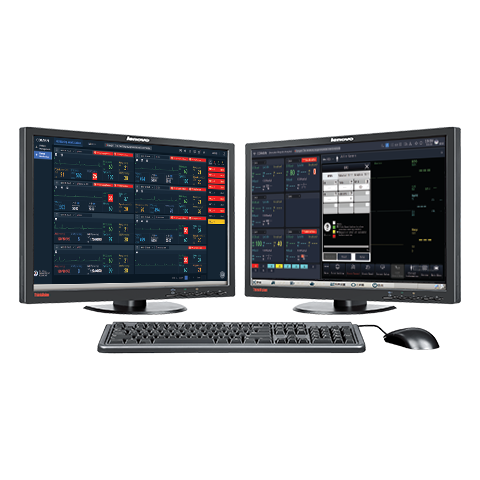
Now we break down what matters. Define first: an icu instrument must deliver clear signals, not noise. By that I mean the device — ventilator, infusion pump, patient monitor — must integrate waveform clarity, alarm prioritization, and easy-access consumable ports. In practice, I press vendors on three concrete items: latency (how fast does the monitor update waveform), failure modes (how many false positives per 1000 patient hours), and service turnaround in our region (I keep a target: max 72 hours for critical spares). We tested two brands in Marseille in late 2022; one failed the 72-hour promise twice. That cost a week of limited capacity. What’s Next?
What’s Next?
We must compare, not just spec-check. Look beyond sticker price. Ask for field metrics: mean-time-between-failures, alarm false-positive rate, and spare parts location. I ask vendors for a sample data export from a live unit — anonymized — to see real alarm counts. If they hesitate, that is telling. Also, consider modularity: can a monitor accept a newer CO2 module later? Can the ventilator accept a software upgrade for new modes? Small flexibilities save huge replacement costs. There will be negotiation. Be firm. Also, remember — staff buy-in matters. A good device that nobody uses is worthless. Short pause — say it out loud to the team. Then decide.
Choosing wisely — three practical evaluation metrics
We finish with metrics you can use on RFPs. First: actionable alarm ratio — the percent of alarms that require clinician action; aim for higher than your current baseline by at least 15%. Second: service-level compliance — vendor promise vs actual turnaround time (target: 72 hours max for critical spares). Third: upgrade-path clarity — documented firmware and module roadmap for at least three years. Use these when you shortlist devices like ventilators or infusion pumps. I recommend trial periods (30–90 days) in a real ward, not just bench demos. That will show alarm behavior, battery life, and consumable fit. Final note — we learned this the hard way: a short-term saving can cost 20% more in staff time and downtime over two years. Look for partners, not only products.
Buyers, you have to be exacting. Ask for data. Demand field metrics. And consider COMEN as one option when you want a partner who shares these standards: COMEN.