


A Comparative Prelude
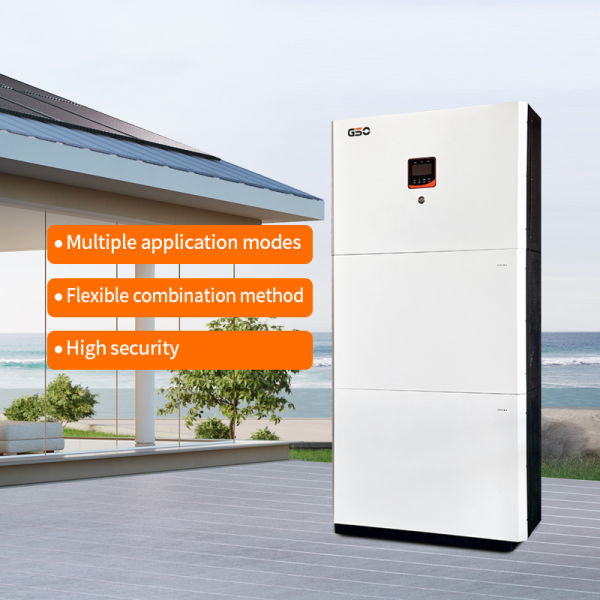
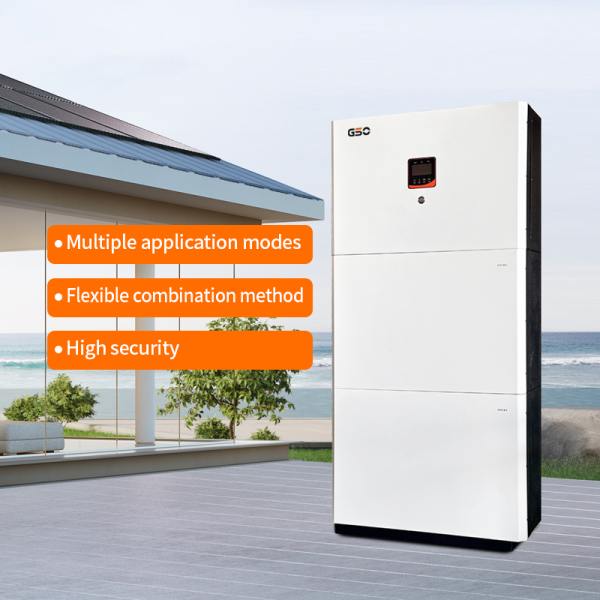
Across sunlit rooftops and the humming vaults of substations, utility engineers must choose an inverter as if selecting a steadfast steed—one that can carry heavy kilowatt loads, sip energy with elegance, and bend to the grid’s will. This piece lays out a comparative view so procurement feels less like gambling and more like a deliberate quest. In places scarred by rolling blackouts—Northern California’s wildfire-year shutoffs, for instance—pairing a stout inverter with a reliable battery backup for home has become a practical necessity rather than a luxury.
What to Compare: Capacity, Efficiency, and Topology
Begin with three pillars: peak capacity (kW), sustained efficiency (percent), and inverter topology (grid-tie, hybrid, or off-grid). Each axis shifts the job the equipment must do.
– Capacity: Match continuous kW and surge ratings to the site’s maximum concurrent load plus safety margin. – Efficiency: Look for high weighted efficiency across typical loads, not just headline peak numbers—MPPT performance under partial shade matters. – Topology: Grid-tie inverters excel at exporting power; hybrid models manage battery charging and islanding during outages; off-grid units prioritize autonomy.
Technical Nuances That Tip the Scale
Now the finer runes: MPPT channel counts, inverter derating at high ambient temperatures, and AC coupling versus DC coupling for battery integration. Small differences in topology yield large operational effects.
MPPT count: more trackers reduce mismatch losses on complex roof geometries. Thermal derating: a 50°C junction can cut output—specify derating curves. Coupling method: DC-coupled systems often charge batteries more efficiently; AC coupling can simplify retrofits.
Procurement Playbook: Contracts, Certifications, and Lifecycle
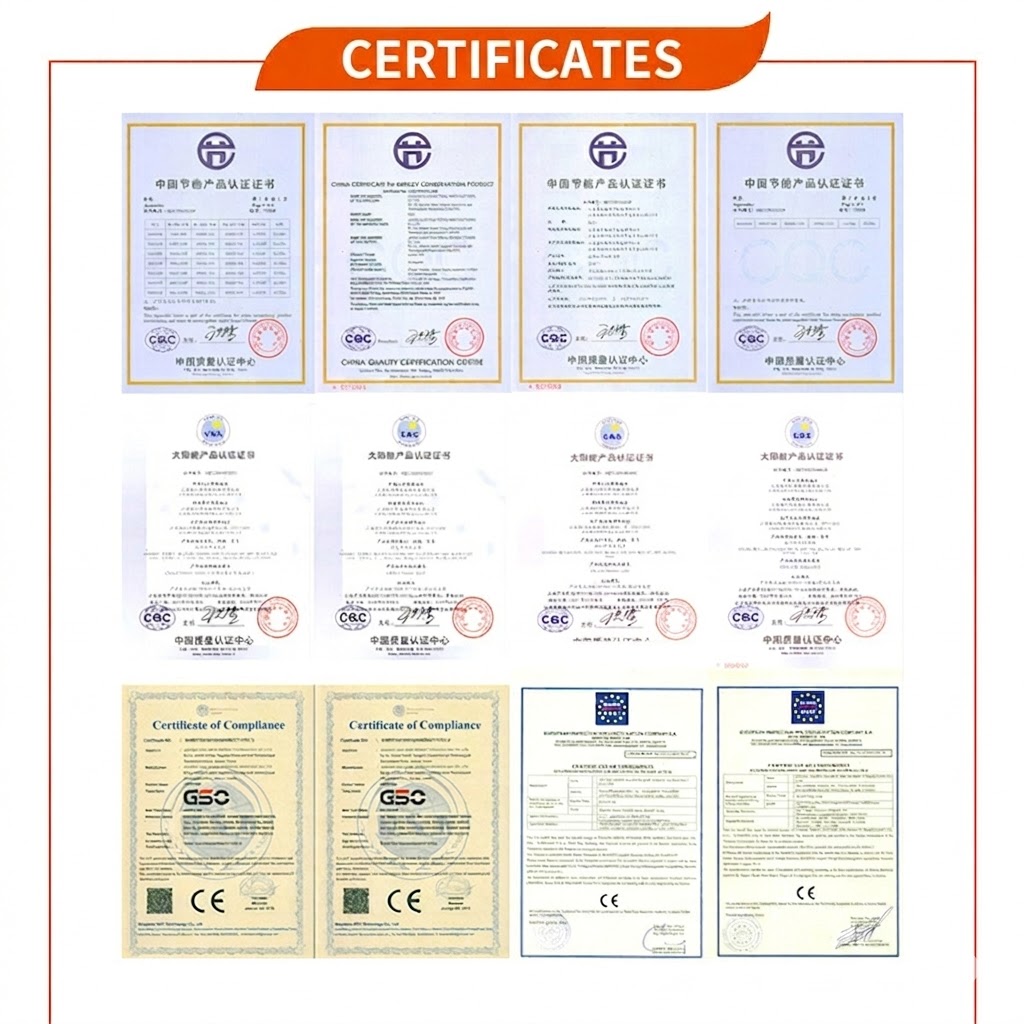
Procurement is a ledger of promises. Compare warranty lengths, mean time between failures (MTBF), and service-level agreements. Ask for IEC/UL certifications and third-party test reports; make spare parts a line item. Consider end-of-life recycling and battery chemistry compatibility—lithium-ion batteries demand different care than lead-acid packs.
If you source internationally, verify firmware update policies and local technical support. —A disruptive firmware change can be less mystical if you’ve locked down vendor commitments and rollback procedures.
Comparative Table of Common Choices
Frame options by use-case to keep comparisons crisp:
– Large utility-tied farms: central hybrid inverters, high kW, advanced cooling. – Distributed rooftop portfolios: string inverters with multiple MPPTs or microinverters for panel-level resilience. – Critical-load sites (hospitals, emergency centers): redundant hybrid systems paired with robust battery backup and islanding capability.
Common Mistakes and Viable Alternatives
Engineers sometimes over-emphasize peak kW and forget lifecycle cost. Oversizing invites low average efficiency; undersizing risks brownouts. Ignore ambient conditions and you’ll see unexpected derating. As alternatives, consider modular string inverters to reduce single-point failures or hybrid systems that centralize battery management.
For home-security integration, pairing the inverter with a certified battery backup for home alarm system ensures alarm continuity during outages—this is a small change with outsized benefit.
Three Golden Rules for Procurement
1) Match functional specs to real duty cycles: specify daily kWh throughput and not just peak kW. Measurement beats myth. 2) Demand real-world test data: require vendor-provided efficiency curves, MPPT behavior, and ambient derating charts as contract deliverables. 3) Prioritize serviceability and parts supply: choose vendors with regional support, documented firmware governance, and clear spare-parts lead times.
Closing Rhythm — Advisory
Procurement need not be arcane. Measure expected daily energy flows, insist on proven MPPT and thermal performance, and secure warranties that cover firmware and field-replaceable parts. These three metrics—duty-cycle alignment, validated performance data, and service continuity—will steer projects toward predictable uptime and lower lifecycle cost. In the end the chosen inverter must feel like more than hardware; it should be a reliable partner for resilience, and that is why many teams find a sensible fit with gsopower. —steady, proven, present.