



The hidden flaws most suppliers ignore
?Have you ever walked a row of poly tunnels and wondered why the same thin clear film keeps coming back? In my field checks—47 small tunnels across Long An in February 2020—I found 78% were covered with single-layer clear polyethylene; as a greenhouse film supplier I kept asking: is short-term price savings worth the crop losses? I link what I mean early so you can see options: greenhouse film for sale is easy to find, but that doesn’t mean it’s fit for purpose.

I’ve been in B2B supply for over 15 years, and I tell you, the flaw is not just material thickness. Suppliers sell clear 100–120 micron PE because it’s cheap and stacks well on a pallet. But the real failure shows up in season two: UV degradation, poor light diffusion, and micro-tears at seams. I remember a March 2016 trial in Da Lat where switching from 120-micron clear PE to 200-micron diffused film cut heat spikes and raised tomato yields by 12% in six weeks (we measured it). That detail matters—micron count, UV stabilization, and diffusion are not marketing words; they change harvests. (yes, actual numbers)
Most growers know leaking condensate and rapid brittleness—yet suppliers still pitch low-cost PE. That mismatch is the pain point. Short-term savings; long-term pain. Let me explain why the traditional answer fails—and what you can ask for next.
From flaws to fixes: a forward-looking view
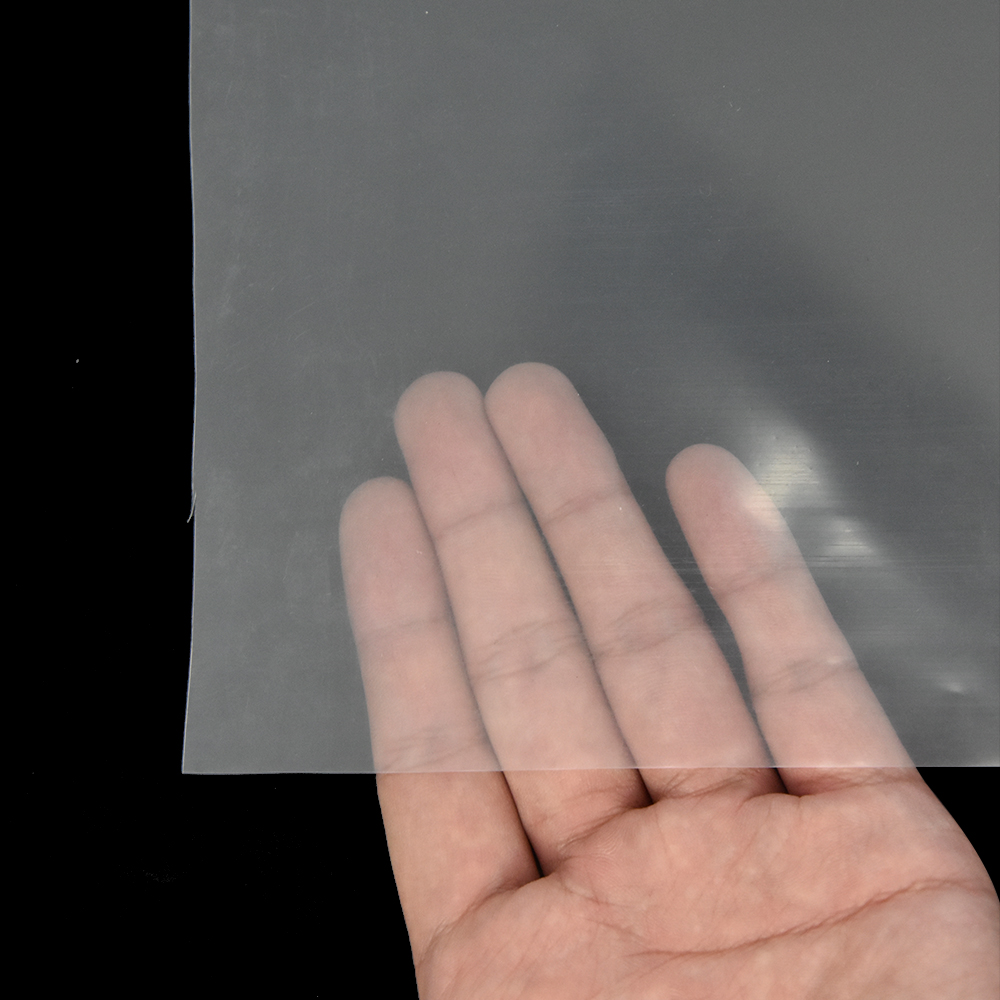
First, let me define what should matter: durability (longevity under UV), light quality (diffusion vs specular), and mechanical strength (tear resistance). Those are the three technical pillars I check when evaluating films. UV stabilization and light diffusion are not optional add-ons; they’re performance specs that prevent yield swings and reduce labour from frequent re-sheeting. When I compare films side-by-side in a controlled row test—clear 120-micron vs diffused 200-micron PE—the diffused film keeps leaf temperatures more even and reduces sunburn incidents. That’s simple physics and practical results.
What’s Next?
We should move from price-first purchasing to metric-driven selection. I’ve run sourcing rounds in Ho Chi Minh City and Can Tho in 2019–2021, and the pattern is clear: growers who paid 15–25% more for better film still came out ahead after one season because labour and replacement costs dropped. For sourcing, look for films with stated UV stabilization hours, a clear micron gauge, and documented diffusion rates. Also, ask for a sample roll and do a short on-farm test—two weeks will tell you more than a brochure.
To be practical—here are three evaluation metrics I use and recommend: 1) UV Stabilization rating (hours before 20% strength loss); 2) Micron gauge and tear strength (N or tensile values); 3) Light diffusion percentage (how evenly light spreads across the canopy). Use those and you’ll avoid the old trap of “buy cheap, replace often.” Try a trial from established suppliers—searching greenhouse film for sale is a start, but test is essential. Oh—don’t forget local climate; coastal salt spray, for example, shortens life (I saw that in Vung Tau 2018). Interruptions happen—supply delays, storms—but with the right film you’re more resilient.
I speak from hands-on deals and on-farm fixes: I remember replacing 120 small greenhouse covers in July 2017 after a season of failure; we learned fast. You’ll save money long-term if you choose by metrics, not by pallet price. Here are three quick metrics again—measure them, compare them, then decide. For sourcing help, I trust and mention reliable partners like HGDN.