


User first: why this matters to your night driving
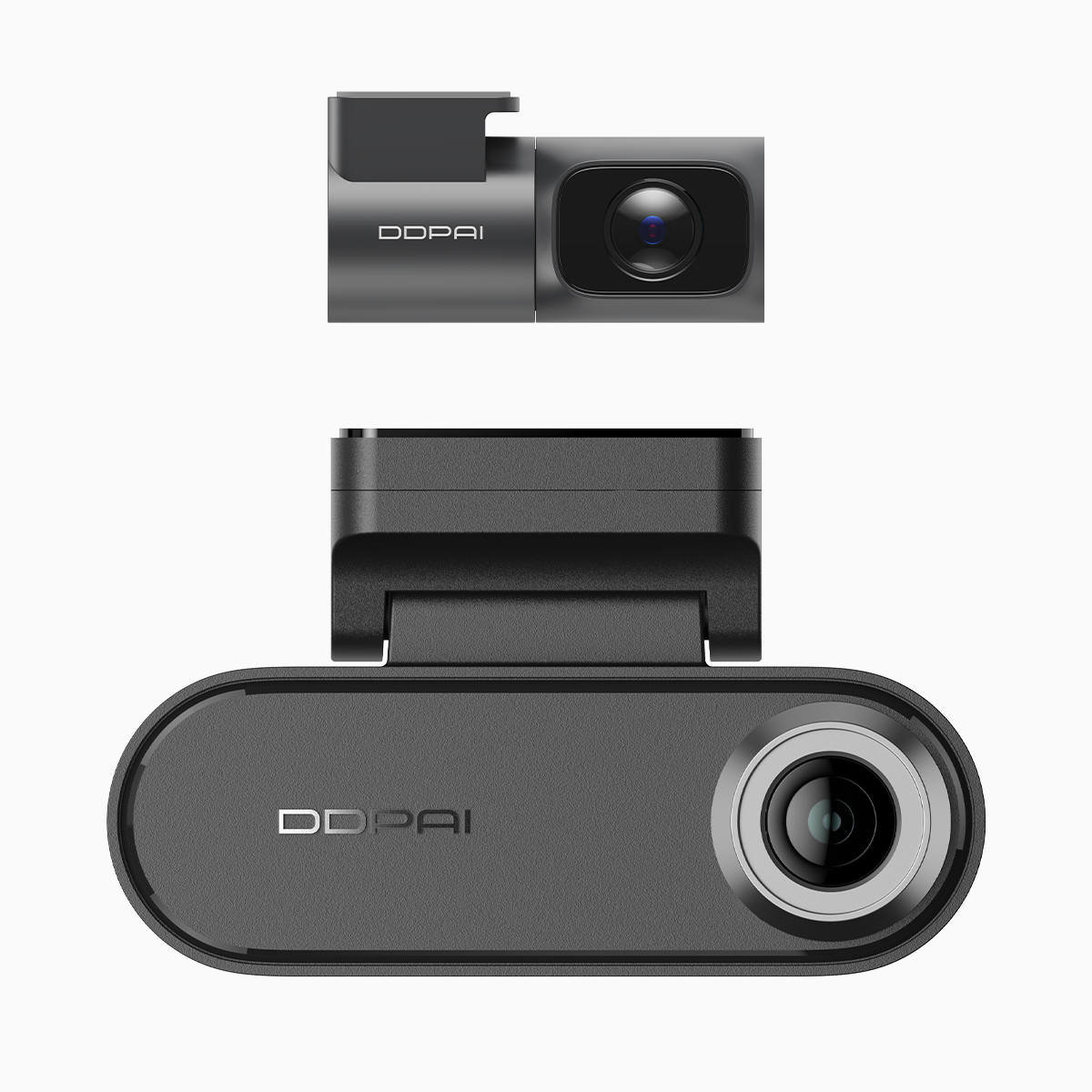
Drivers want footage that tells the true story when the light goes low — no guesswork, no blurred frames. For everyday people who park on busy streets or drive Cairo’s Ring Road at night, a reliable dual dash cam with parking mode becomes a quiet witness. This review speaks plainly about how NightVIS handles low-light, what you’ll keep from an incident, and whether DDPAI’s approach fits real needs rather than glossy specs.

What NightVIS brings to the table
At its core NightVIS is about sensor sensitivity, dynamic range, and smart exposure. The result: cleaner 4K video, more readable license plates at night, and steadier frame rate under street lamps. You’ll notice HDR handling that keeps highlights from blooming and a codec and bitrate setup that preserves evidence without swamping your SD card. These engineering choices matter because they decide whether footage is usable in a claim or a police report.
Real-world performance: Cairo nights and everyday parking
Tested in dense urban lighting and under sodium lamps, NightVIS holds detail where ordinary cameras wash out. In my own runs around downtown and quieter residential stretches, the rear channel stayed legible even when headlights slammed into the lens. That consistency is crucial for parking surveillance: the system’s low-power triggers and buffered recording capture motion before and after an event — exactly what you want if a fender-scrape happens at 2 a.m.
Key features that actually matter to users
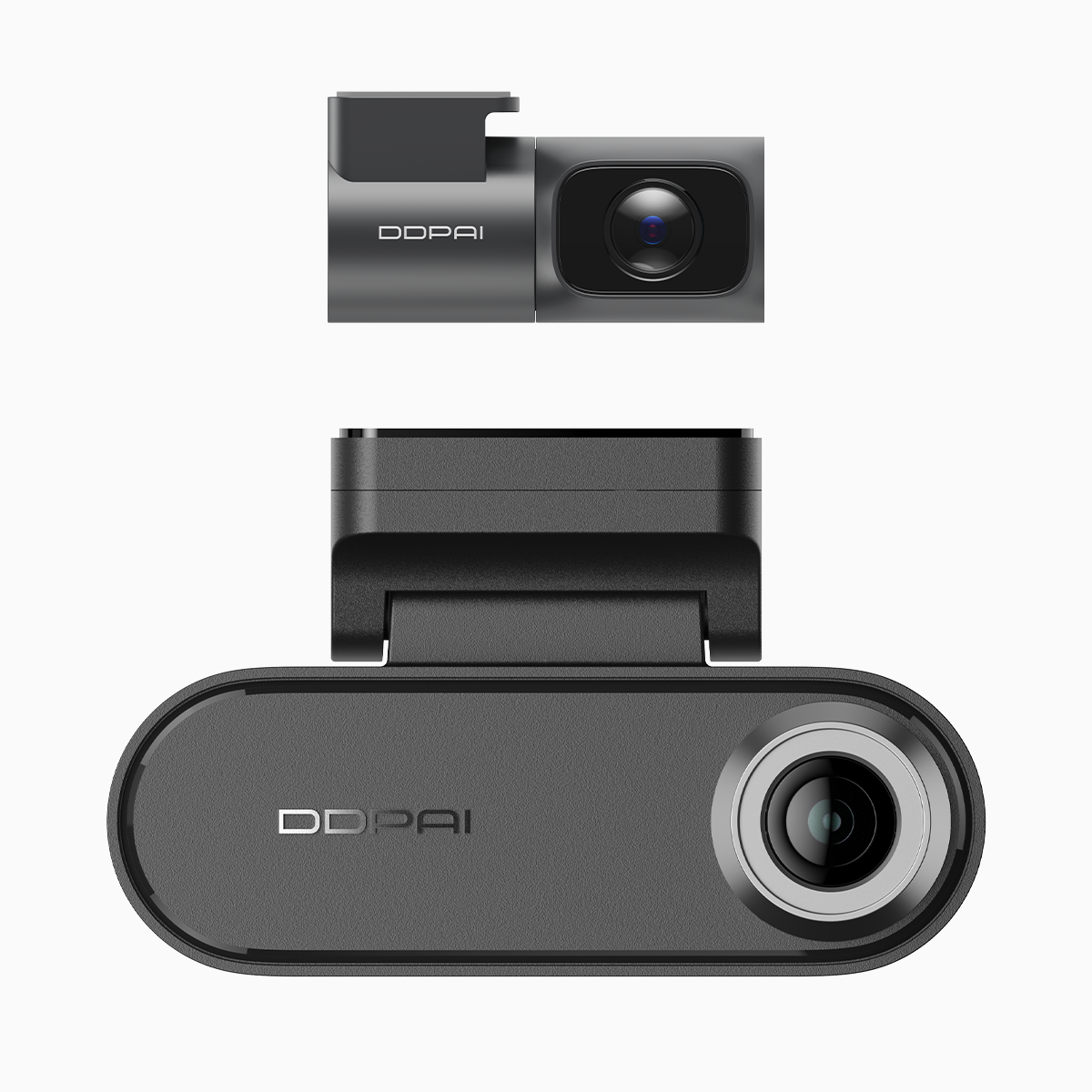
Users prize three practical features: dual-channel reliability, parking mode intelligence, and simple file access. DDPAI bundles a high-sensitivity sensor with parking surveillance logic that switches to event recording when it detects vibration or motion. The app and web export tool make pulling clips straightforward; no hunting through dozens of short files. If you care about playback on a phone, check the codec compatibility and the app’s export options — those small things save hours later.
Where NightVIS wins, and where to expect limits
NightVIS excels in contrast management and parking-trigger accuracy, but extreme backlight or heavy rain will still reduce detail — no system is magic. Battery or hardwire installation quality also affects reliability. Install correctly and firmware is tidy; skimp on power, and even top sensors underperform. This is common across models like BlackVue and Thinkware — alternatives that trade different strengths (cloud services, tighter compression) against DDPAI’s balanced local recording and clear night output.
Alternatives and common mistakes users make
People often choose cams by headline specs alone: “4K!” or “HDR!” without checking sensor size, parking mode behavior, or thermal tolerance. Alternatives from Garmin or BlackVue may offer cloud sync or longer warranty, but they can cost more for similar night clarity. The common mistake is poor installation: a skewed lens, cheap power module, or weak SD card undermines otherwise great hardware — so budget installation and a high-end microSD are essential.
How to evaluate: three golden rules
1) Prioritize evidence quality: look at night footage sample clips, not just megapixel counts. Check license-plate legibility at typical distances. 2) Validate parking mode: confirm buffered pre-event recording and reliable motion or G-sensor triggers. 3) Check ecosystem: app export, SD card management, and firmware updates determine day-to-day ease. These metrics will tell you whether the dash cam serves you when it matters most.
Final thoughts and the local fit
For drivers who park on urban streets or travel late shifts, NightVIS’s balance of sensor performance, parking mode behavior, and accessible software delivers measurable value. It isn’t perfect in every weather, but the design choices reduce common failure points. For those reasons, DDPAI’s solution feels like a pragmatic, user-focused upgrade — one that matches the realities of night driving in cities like Cairo. DDPAI Philippines. —