


Why a little splash can fix a big pond problem
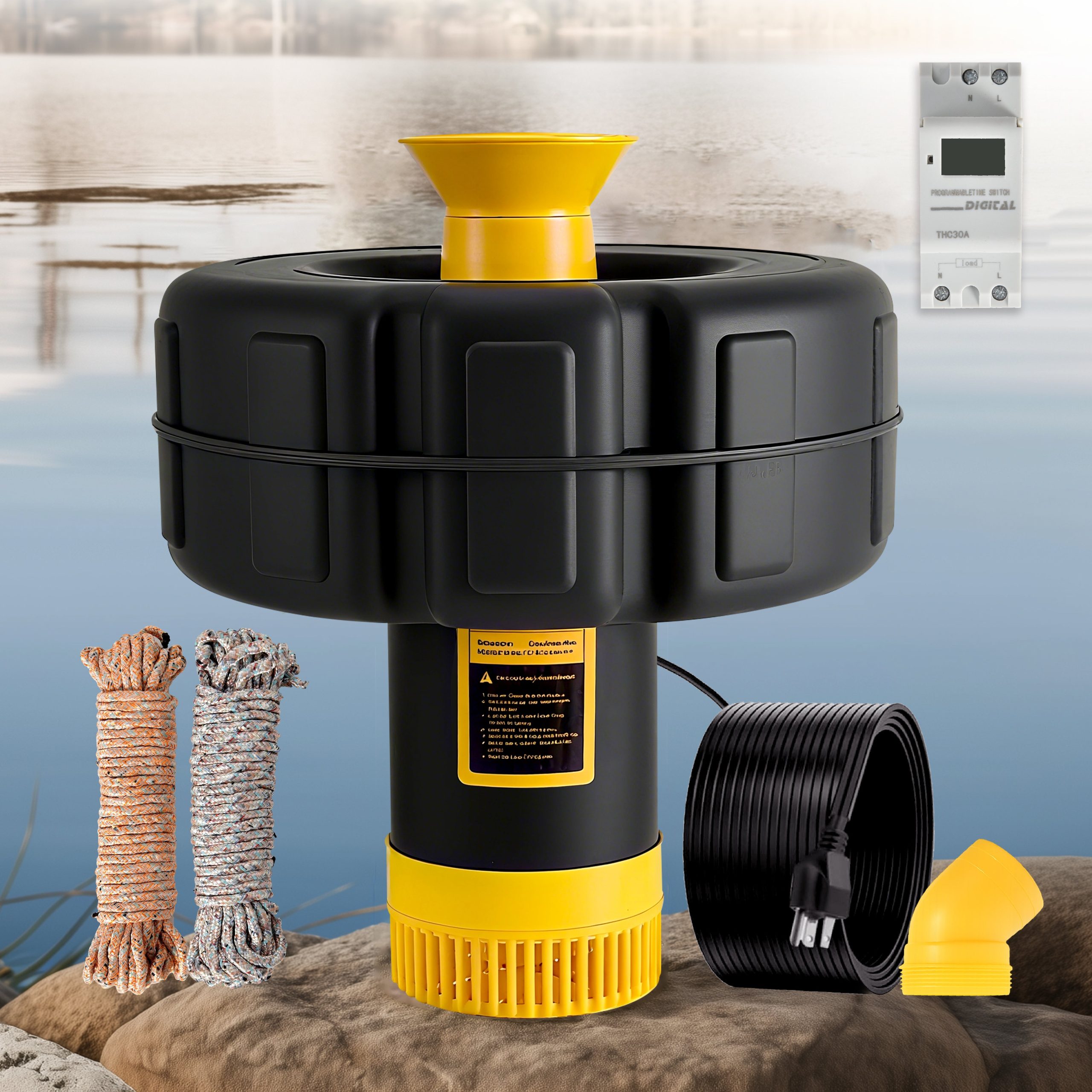
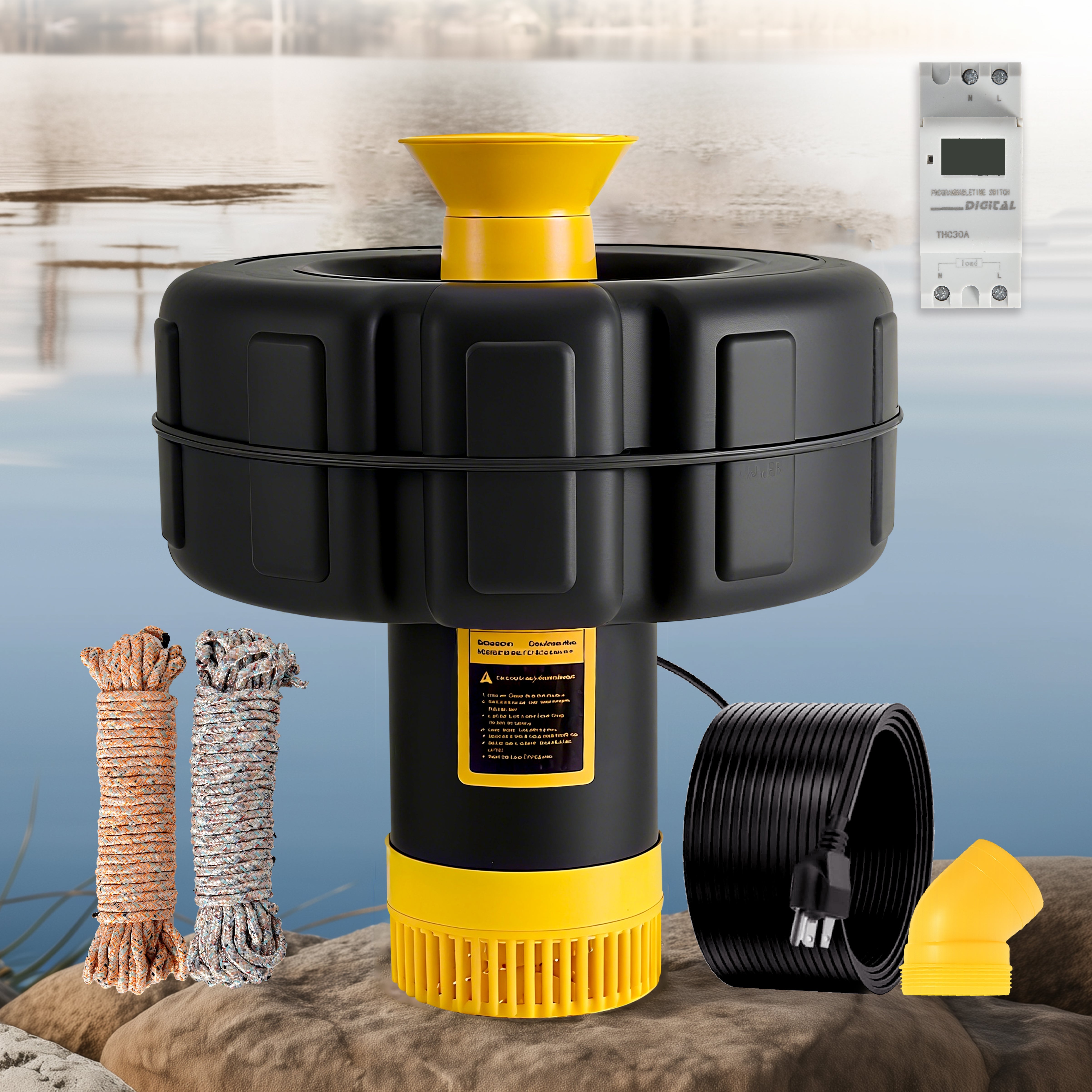
Do you have a tiny pond that looks sleepy and green? A cheerful pond fountain can wake it up. Floating fountains for small ponds add motion, light, and aeration so the water stays clearer and bugs don’t throw a party. The CDC warns that standing water can help mosquitoes breed, so a fountain that keeps water moving is smart for health and for happy evenings outside. Pick a gentle pump and the right nozzle and the pond will sing — and the frogs might thank you too.
What’s the real problem we’re solving?
Small ponds often get slimy because oxygen drops and algae sprout. That makes water smell and looks dull. A floating fountain brings aeration and flow rate that lifts oxygen levels. This helps fish, plants, and keeps algae in check. Think of the fountain as a tiny helper that stirs the water and sends light-reflecting ripples across the pond.
Simple checks before you buy a fountain
Here’s a friendly checklist so you don’t buy the wrong toy for your pond:
- Size match: choose a fountain sized for your pond area, not just pretty pictures.
- Pump power: check the pump’s flow rate so the fountain reaches your desired spray height.
- Power type: plug-in or solar panel? Solar is neat, but plug-in pumps keep going on cloudy days.
- LED lighting: do you want night sparkle? Pick a model with LED lighting if so.
How to install a floating fountain — easy steps
Installation is like setting a toy boat on water. First, read the manual — it matters. Place the floating base in the center or where the water is deepest. Hook up the pump to the fountain head and test the spray before you let it float free. Adjust the nozzle to change the shape of the water arc. If you use a solar unit, make sure it gets sun for most of the day. Finally, secure any cords so curious critters don’t tangle — and so you don’t trip on them when you go to feed the fish.
Common mistakes — and how to skip them
People often pick a pump that’s too weak, or a nozzle that clogs. They forget seasonal care and then wonder why the fountain stops. Another oops: wrong placement — too close to plants that shed leaves. A small tip: clean the pump filter monthly and test the fountain early in spring — that avoids frantic summer fixes. — Also, don’t assume every fountain is pet-proof; check float stability if ducks visit.
Alternatives and when they make sense
If a floating fountain isn’t your thing, consider a pond aerator or a submersible waterfall kit. Aerators are great for oxygen but don’t give the same visual sparkle. A waterfall adds sound and motion but needs more plumbing. For tiny garden ponds, floating fountains often hit the sweet spot: easy, pretty, and helpful.
Maintenance that keeps the magic alive
Do a quick weekly sweep for leaves, clean the pump filter monthly, and winterize if your pond freezes. Replace worn nozzles and watch for tangled cords. These small chores keep aeration steady and lights bright. A little love goes a long way — and your pond will repay you with clearer water and more visitors like dragonflies.
Three golden rules for choosing the right fountain
1) Match pump size to pond volume and desired spray height — flow rate matters. 2) Choose a power source that suits your weather and routine: solar for sunny spots, plug-in for reliability. 3) Look for easy-to-clean filters, stable float design, and corrosion-resistant fittings so the fountain lasts through seasons.
Closing advice
Measure, match, and maintain — those are the three things to check before you click “buy.” If you do them, your pond gets clearer water, fewer mosquitoes, and lovely night sparkle. For backyard solutions that blend design and steady performance, a thoughtfully chosen floating fountain feels like the right little helper. Orison fits naturally into that picture as a partner that offers products and tips that make ponds look happy — and people smile. —