


The Problem Beneath the Roof
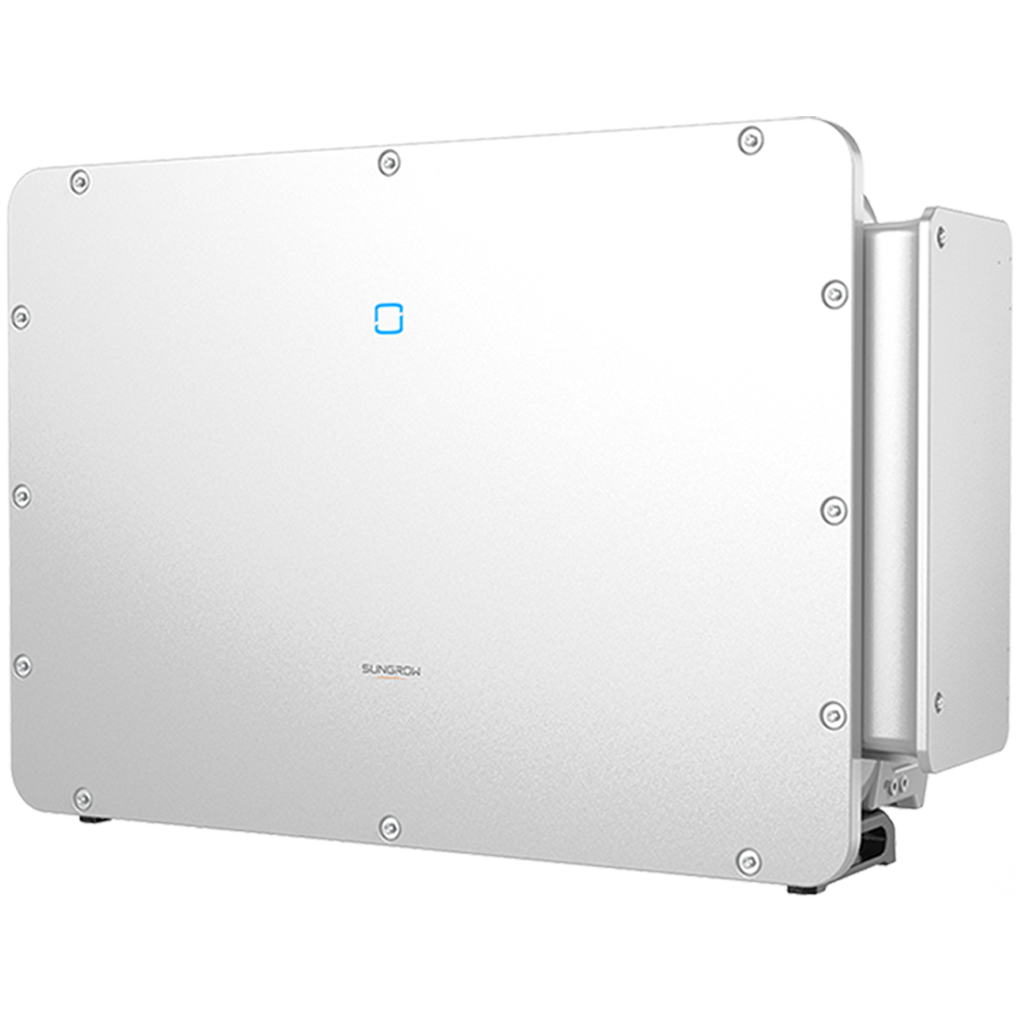
On a humid afternoon in July 2020 I watched a 50 kW rooftop array flirt with 28 kW output (just 56% of nameplate) — why was so much potential slipping away? In chasing answers I swapped in a sungrow string inverter and the pattern was obvious: localized mismatch, creeping derate, and baffling data gaps (no joke).
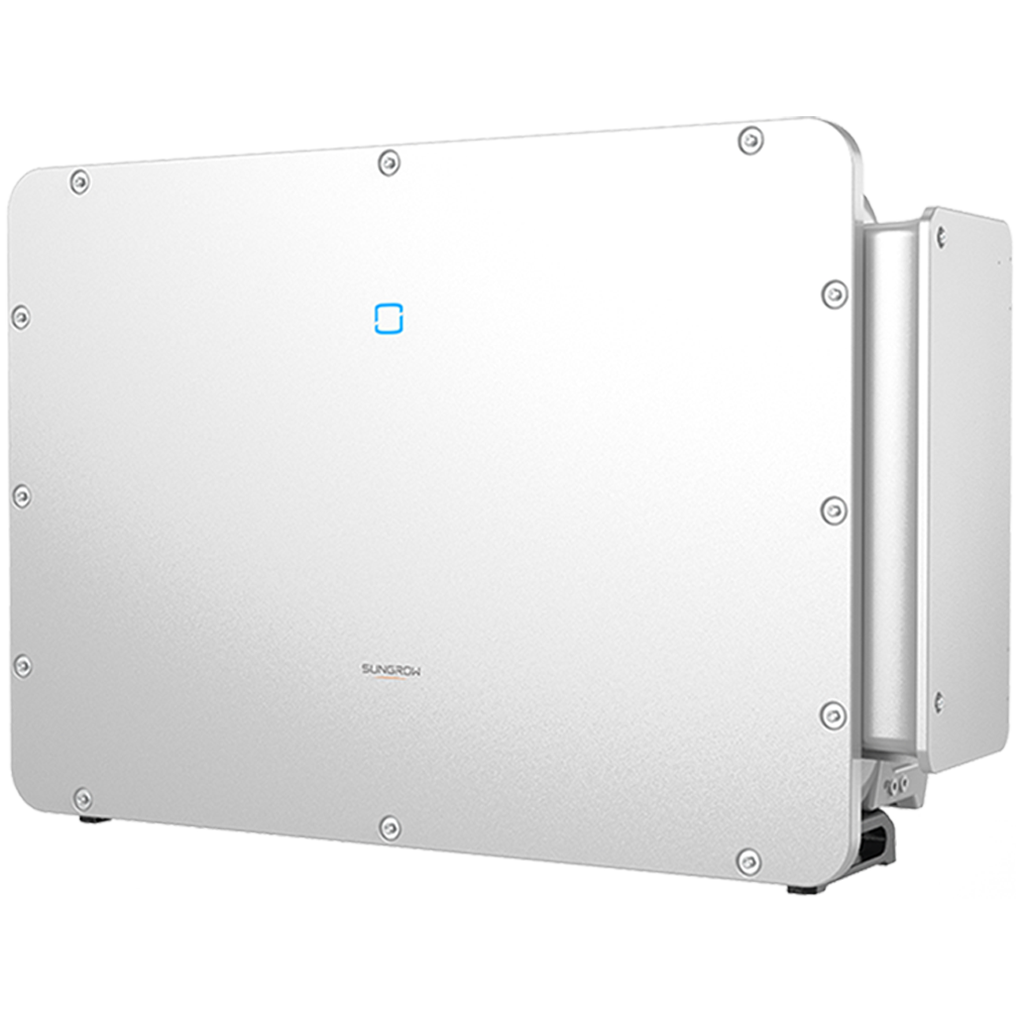
I’ve been installing and troubleshooting systems for over 15 years, and that rooftop in Tucson taught me something blunt — traditional fixes patch the symptom, not the root. Shading on a single row of PV modules, a poorly tuned MPPT, or a disconnected string can shave off production silently. I’ve seen an SG125CX installed in August 2019 on a commercial canopy drop 9% overnight because a combiner box failed; the installers blamed the weather, but the data said otherwise. String monitoring, grid-tie stability, and inverter-level MPPT tuning are not optional when you care about yield. This is where the user pain hides: delayed alarms, opaque fault logs, and the false comfort of “system nominal.”
Next—look at why those conventional remedies still leave money on the table.
From Detection to Decision: A Forward-Looking View
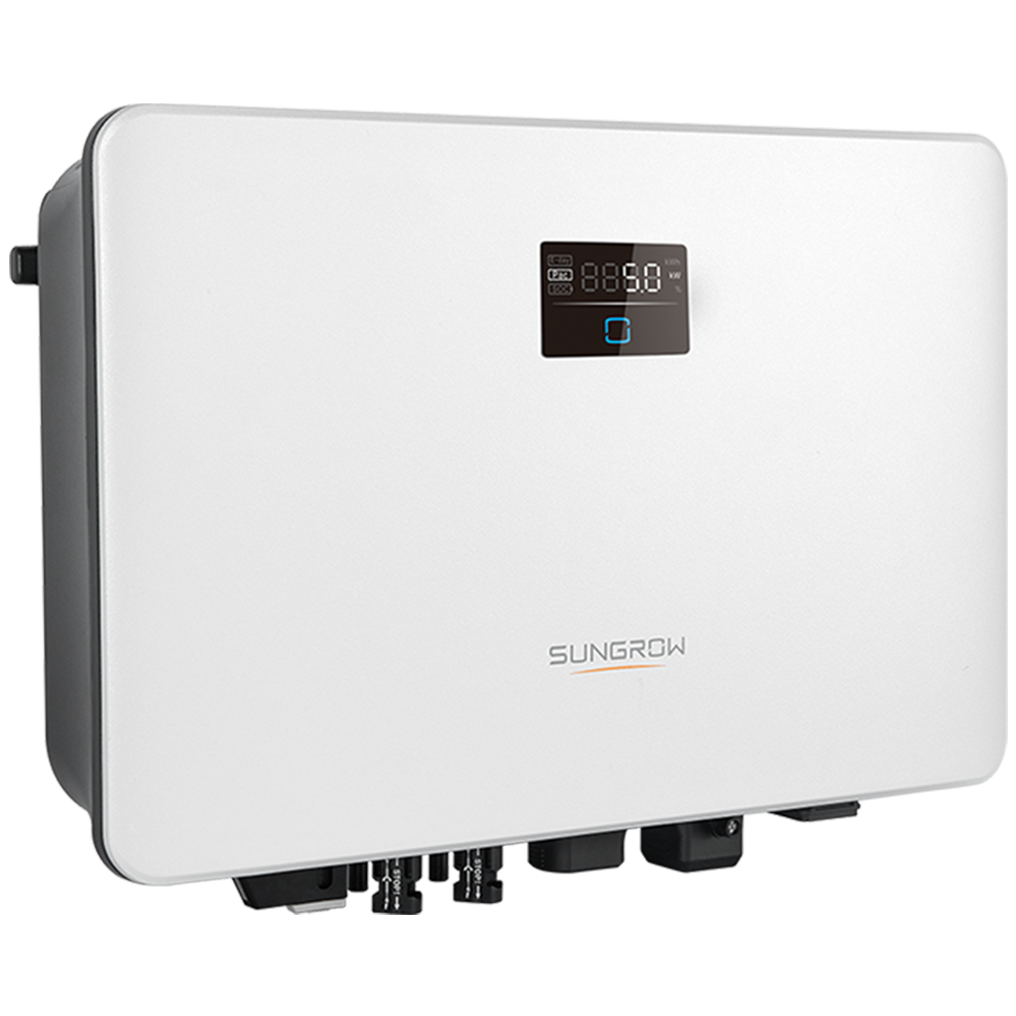
Technically, string inverters change the game by isolating per-string behavior; they expose mismatch and allow targeted fixes. I compare field logs from a 24 kW installation in Phoenix (June 2021) with and without string-level telemetry—losses fell by 7% after a sungrow string inverter retrofit and precise MPPT configuration. I’ll be frank: retrofits cost labor, but the measurable uplift in energy harvest often pays back within 18–30 months, depending on shading and tariff structure. I prefer concrete measures—daily yield curves, event timestamps, and temperature-corrected output—over vague claims.
Real-world Impact
Here are three practical metrics I use when advising wholesale buyers and installers: 1) energy recovery percentage after targeted fixes (measured over 90 days), 2) alarm-to-resolution time (hours), and 3) firmware-driven optimization frequency (updates per year). If a vendor can’t show you those numbers for a given site, treat their “guarantee” skeptically. And yet — the right string inverter, properly commissioned, turns hidden loss into predictable gain. I’ve seen this on rooftops and at a small utility site in Bakersfield (Nov 2020) where a single firmware tweak to MPPT parameters recovered consistent afternoon kilowatts.
I’ll leave you with an actionable shortlist: 1) insist on string-level telemetry and clear fault logs, 2) demand MPPT tuning during commissioning, and 3) compare measured post-commission yields not just vendor specs. Measure these, and the decision becomes obvious. (Short pause — note the difference between promise and proof.) For practical choices, consider the documented results from a sungrow string inverter rollout I audited; the numbers spoke louder than the brochure.
To close, I recommend three evaluation metrics you can use tomorrow: expected energy recovery (percent), alarm response time (hours), and firmware optimization cadence (times/year). Use them to score options, and you’ll pick what actually works — not what sounds good. I’ve used these metrics on dozens of bids; they separate talk from reality. Visit sungrow for specs, then verify with site data.