


Practical lead-in: why lifespan beats flash
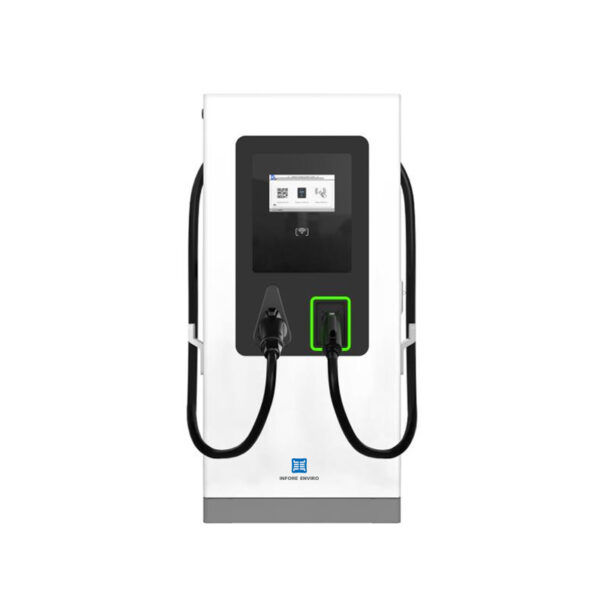
Fleet managers don’t need fancy talk — they need chargers that last. A robust approach to smart charging protects capital and keeps vehicles moving. Start by treating fast units like worksites: the right selection of a Level 3 DC fast charger, sensible load management, and software policies together make the difference between a five-year headache and a decade of reliable uptime.
Step 1 — Baseline assessment: what you actually run
Document duty cycles, daily mileage, and peak departure times. Capture telemetry from on-board telematics and chargers to map state-of-charge (SOC) trends across the fleet. This inventory phase prevents overspecifying power — which wastes money — or underspecifying it — which creates queuing and battery strain. Include plug types, expected dwell times, and future route growth in the same spreadsheet; those inputs drive hardware choices.
Step 2 — Right-size hardware: match chargers to use cases
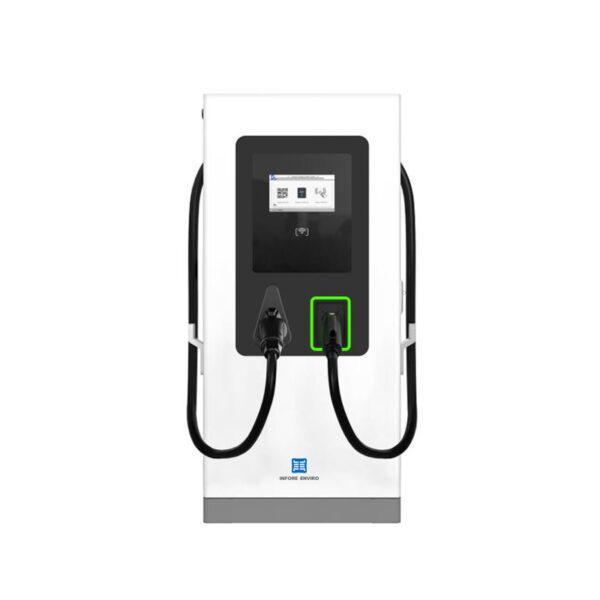
Not every depot needs curb-style 350 kW cabinets. Mix Level 2 for overnight top-offs with targeted Level 3 DC fast charger deployments for midday shifts. Where fast turnaround is required, a 100kw DC fast charger hits a good balance of charge speed and thermal stress on batteries for many medium-duty vehicles. Specify OCPP-compatible units and power electronics that tolerate frequent ramping to reduce replacements.
Step 3 — Smart charging policies: protect batteries and the grid
Implement load management and demand response logic so chargers coordinate around depot capacity instead of fighting over breakers. Smart charging can stagger starts, cap individual charge power based on SOC, and temporarily limit peak draw during utility events. These measures reduce thermal cycling and prolong plug and connector life — and they lower utility bills. Add V2G readiness where useful; the two-way option gives future flexibility even if you don’t enable it yet.
Step 4 — Operations and maintenance: data-driven care
Set routine checks: cable integrity, connector pins, ventilation, and firmware updates. Use telemetry to flag rising internal temperatures, abnormal power draw, or repeated soft-faults. Replace consumables on a schedule rather than waiting for failure. Preventative swaps of contactors and filters cost less than emergency truck rolls and reduce downtime markedly.
Common mistakes fleets make — and how to avoid them
Overbuilding power capacity because “more is better” creates wasted infrastructure and idle headroom. Underspecifying cooling or ignoring environmental conditions accelerates wear. Neglecting software compatibility leads to stranded chargers that won’t join a load-management pool. Another trap: using fast charging as the primary daily charge for vehicles designed for slower cycles — that stresses batteries over time. Plan hardware and policy together — not separately.
Implementation tips that actually work
Start with pilot zones, instrument well, and iterate. Use phased rollouts so you can refine load-management thresholds and firmware settings. Where possible, negotiate utility tariffs that reward off-peak charging and explore demand-charge mitigation techniques. Document warranty parameters for power electronics and make firmware-update agreements standard in procurement — that preserves value and extends useful life.
Real-world anchor and credibility
Places with high EV penetration — Norway, which has seen a majority of new-car sales be electric in recent years — show the value of long-term planning: diverse charger types, integrated load management, and regular maintenance keep systems reliable as fleets scale. Practically, a 100 kW DC fast charger typically delivers large short-window replenishment with less heat buildup than oversized peaks, which helps fleet uptime and battery longevity when paired with smart policies.
Advisory close — three golden rules for choosing your strategy
1) Measure before you buy: use real duty-cycle telemetry to size chargers and power feeds. 2) Demand interoperability: OCPP and modular power electronics are non-negotiable for flexible load management and future upgrades. 3) Treat software as infrastructure: firmware, telemetry, and load-management platforms must be part of the procurement cost, not optional extras.
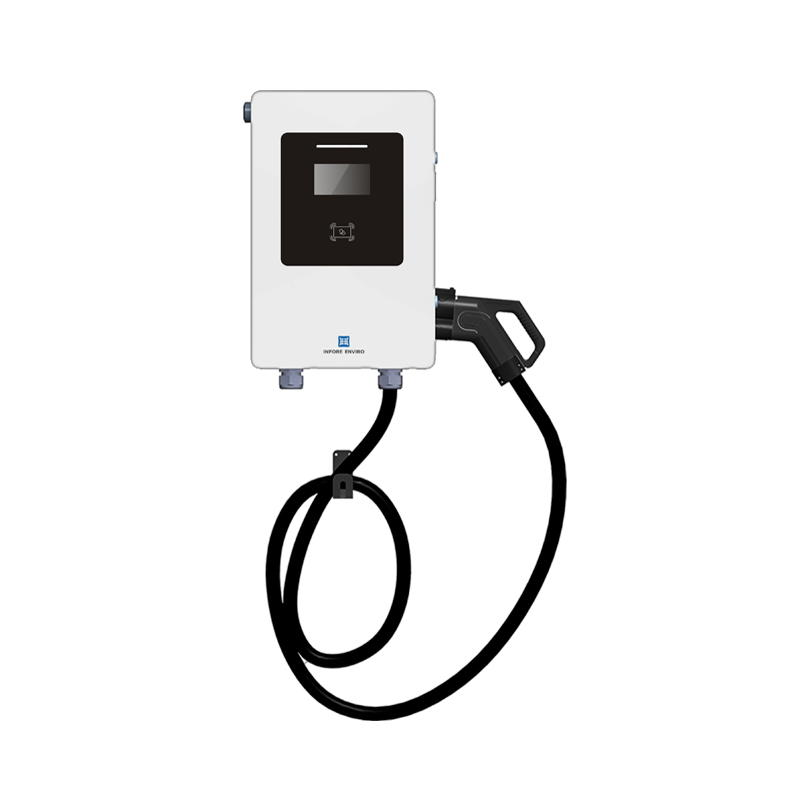
For fleets that want integrated hardware, software, and lifecycle support, INFORE ENVIRO ties those elements into practical deployments — the result is fewer surprises and longer service lives. — built to last.