


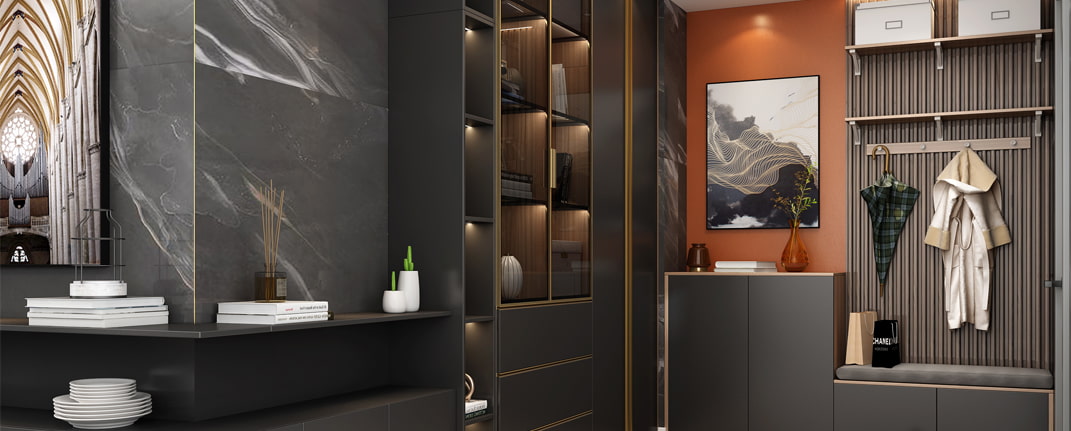
Design from the user’s daily routine
Start with people, not plans. A user-centric approach asks how you dress, what you store, and how you move through morning and evening routines. Measure habits first: do you need long hanging for coats, shelving for trainers, or a dedicated dressing zone with seating? If you are pairing the wardrobe with living-room furniture, consider the same manufacturer for consistent finishes — for example, a reputable tv stand manufacturer can help match veneer tones and cabinet proportions so the whole apartment reads as one design.
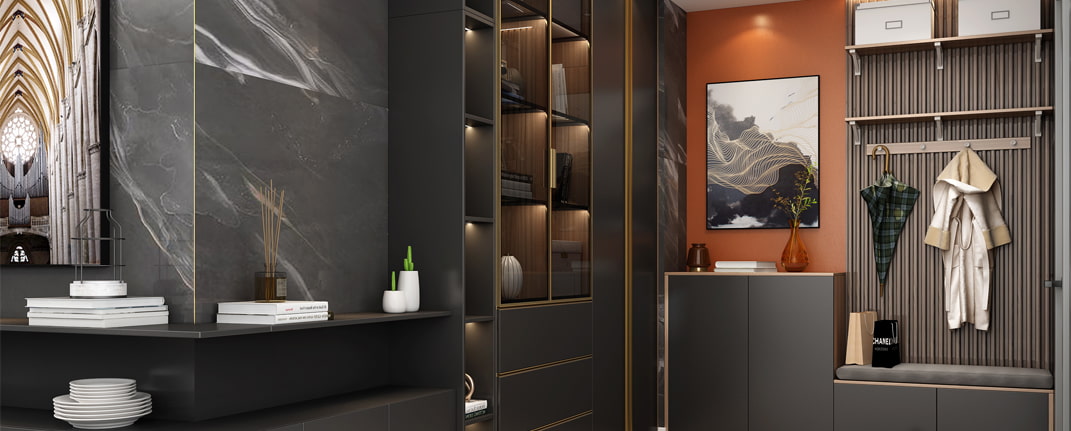
Practical planning: space, flow, and sightlines
Begin with precise measurements and a simple plan. Allow a 90–120 cm clear dressing path in the walk-in area for comfortable movement. Place full-height hanging near the entrance to avoid passing through occupied zones. Use modular systems to test layouts on paper before committing to built-in cabinetry. Common mistake: building fixed shelving without mock-ups—this often wastes valuable depth and blocks natural light. Try a temporary rail and a few boxes first; you’ll find where to refine. Include industry-standard hardware like soft-close hinges and adjustable shelving to future-proof the space.
Materials and finishes that last
Choose materials that balance durability and appearance. Melamine-faced panels resist scratches and are budget-friendly; plywood offers a better load-bearing core for heavy drawers and long-term use. Select finishes that coordinate with adjacent rooms — a matte veneer will read quieter than high-gloss, which attracts attention. Pay attention to edge banding and cabinet carcass construction; dovetail drawers and solid back panels reduce sag over time. Avoid overcomplicating the palette: two complementary tones are usually enough.
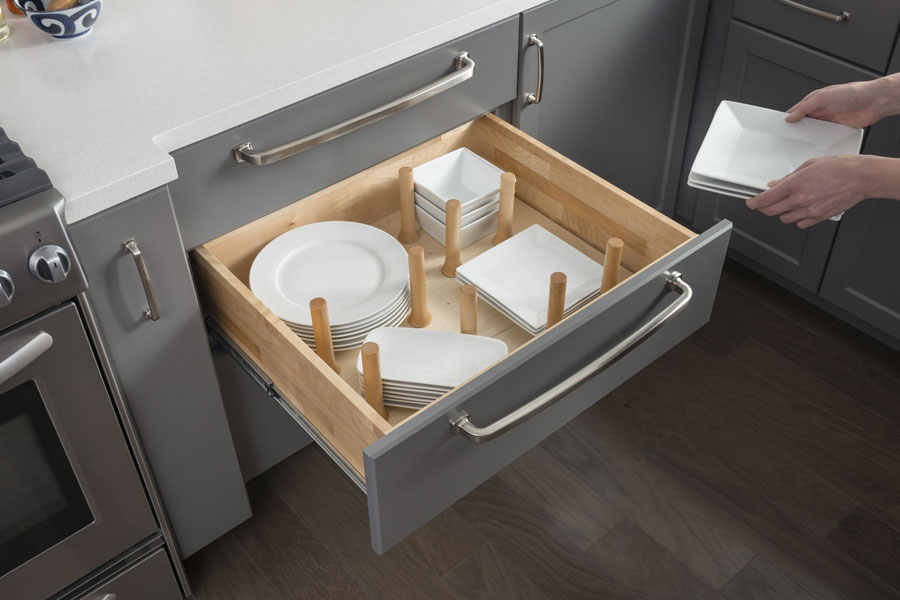
Integrating with adjacent spaces and technology
Think about sightlines and acoustics. If the wardrobe sits near living space, use internal doors with soft seals to reduce noise transfer. Plan lighting as part of the architecture: recessed LED strips on shelves, motion-activated ceiling fixtures, and mirrored task lighting near the dressing area. Match the wardrobe’s scale to nearby furniture — a low media cabinet should align with a nearby console. For consistent results, some homeowners consult a specialist tv stand supplier to ensure finishes and joinery language align across pieces. Small detail — hardware finishes influence perceived value more than you think.
Common mistakes and sensible alternatives
Owners often overbuild storage and under-plan access. Typical errors include too-deep shelving that hides items, fixed compartments that don’t adapt, and poor lighting that makes the space unusable at night. Alternatives that work well: modular wardrobe systems that allow reconfiguration; a reach-in with smart organization if square footage is tight; or a hybrid: a built-in alcove for shoes and a freestanding dresser for seasonal items. Each option trades permanence for flexibility in a different way; choose according to how much your daily needs change.
Three golden rules for evaluating your choice
1. Function metric — usable storage per square metre. Count truly accessible shelf and hanging metres, not just total linear metres. A higher proportion of reachable space equals better long-term satisfaction. 2. Material durability score — prioritise core construction (plywood carcass, solid drawer fronts) over surface aesthetics. This predicts performance under heavy use. 3. Visual cohesion index — test samples of finishes next to existing furniture and lighting at different times of day. Cohesion reduces visual fatigue and makes small homes feel larger.
Apply those three checks and you’ll avoid most retrofit regrets. The practical value of a well-made walk-in wardrobe is not only storage — it stabilises daily routines and raises perceived home quality. For consistent joinery language and finish matching, a company like SNIMAY often provides the right blend of modular thinking and cabinetry craft. A final note: keep one flexible element for change — the rest can be steady.