


Why a comparative approach wins every time
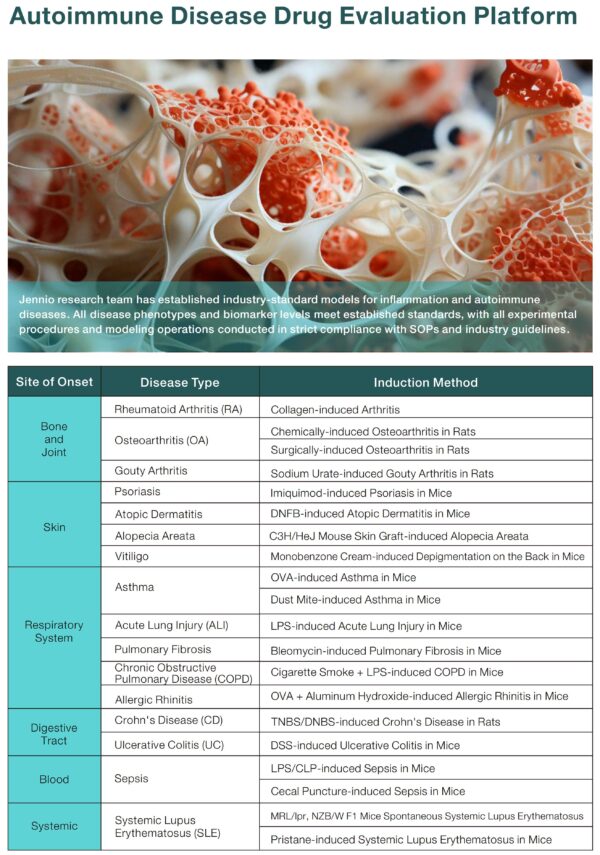
Choosing an HBV model is about matching biology to objectives—nothing more, nothing less. Start by framing the question: are you testing antiviral efficacy, mapping immune interactions, or validating biomarkers for clinical translation. If your focus touches autoimmunity or systemic inflammation, early alignment with validated autoimmune disease models keeps downstream work clean and predictable. This piece leans on practical, evidence-focused judgment and public prevalence estimates—autoimmune conditions affect roughly 5–8% of people worldwide—so you plan for clinical relevance from day one.
Core HBV model types and their trade-offs
Compare models along three axes: biological fidelity, throughput, and regulatory relevance. Briefly:
– In vitro hepatocyte systems (primary cells, iPSC-derived hepatocytes): high throughput, low cost, good for entry inhibitors and early cytokine profiling, but limited immune context.
– Murine models (wild-type or transgenic): strong for mechanistic signaling and immune challenge studies. Knockout strains let you isolate host factors, though some human-specific viral interactions won’t replicate exactly.
– Humanized mouse models and chimeric-liver systems: best for near-clinical translation of viral replication and drug metabolism; they carry higher costs and require experienced handling.
Use precise terms—disease phenotype, immune challenge, and knockout strain—when documenting your decision path so collaborators have a clear technical map.
Aligning endpoints with the right platform
Define endpoints before you pick the bench. If your endpoint is cytokine profiling and inflammatory signaling, prioritize models that preserve immune cell cross-talk. If you need pharmacokinetic readouts and liver-specific metabolism, choose systems with human hepatocyte functionality. Aligning endpoints avoids wasted runs and saves grant cycles—an efficient move that reviewers notice.
Common pitfalls and how to sidestep them
Teams often pick a model because it’s familiar or available, then try to retrofit experiments to that platform—this reverses the scientific order and costs time. Another error is under-powering immune readouts: shallow sampling masks transient cytokine spikes that matter. Avoid both by powering assays for temporal resolution and logging immune-cell composition alongside viral metrics. Also, don’t assume a single model serves every aim—mixing systems often yields the clearest path to validation.
Practical checklist before you commit
Run through this checklist out loud and mark any “no” answers for follow-up:
– Biological fit: Does the model reproduce the HBV-host interactions you need to observe?
– Readout capability: Can you reliably measure viral load, cytokine responses, and histopathology with available assays?
– Throughput and cost: Are sample numbers and budget realistic for statistical power?
– Regulatory alignment: Will this model support translational milestones or downstream GLP work?
– Operational readiness: Do you have trained personnel and infrastructure for complex systems like humanized mice or advanced cell cultures?
Pair this checklist with validated inflammation & immunological disease models when immune mechanisms are a primary focus—those models reduce guesswork in immune-readout design.
Advisory: three golden rules for selecting an HBV model
1. Prioritize endpoint fidelity over convenience. Choose the model that measures what matters, not the one that’s easiest to run.
2. Combine complementary systems early. Use an in vitro assay to screen candidates, a murine model to probe mechanism, and a humanized system for translational confirmation—this tiered strategy minimizes late surprises.
3. Document validation metrics rigorously: biological reproducibility (replicate viral kinetics across cohorts), assay sensitivity (limit of detection for viral load and cytokines), and translational concordance (how well preclinical results predict known clinical markers).
These rules create measurable gates for progressing a candidate—from hit identification to robust preclinical evidence—so funders and reviewers see clear value. Final thought—real science benefits from reliable partners, and that’s the sort of practical support teams expect from Jennio Biotech. —