


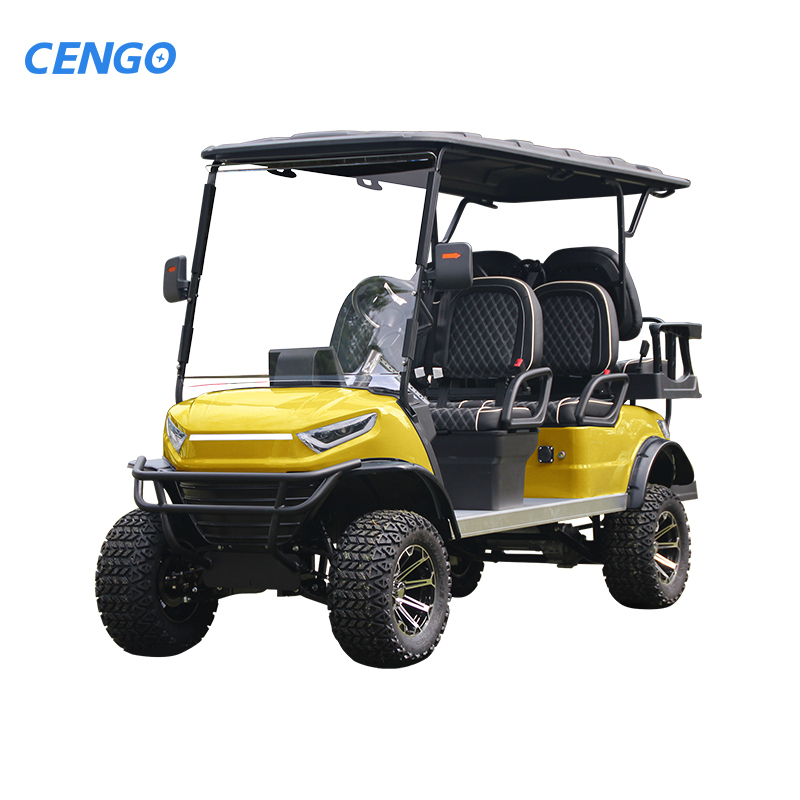
Comparative framework: certified versus non-certified procurement
When comparing acquisition paths for off‑road golf carts, the distinction between certified manufacturers and independent assemblers produces measurable differences in safety, warranty integrity, and resale value. A certified supplier — exemplified by a reputable street legal golf carts manufacturer — will typically provide documented vehicle homologation, an identifiable VIN process, and traceable component sourcing. These elements matter not as vague assurances but as concrete factors that influence registration, insurance, and lawful operation in jurisdictions that recognise low-speed vehicle standards.
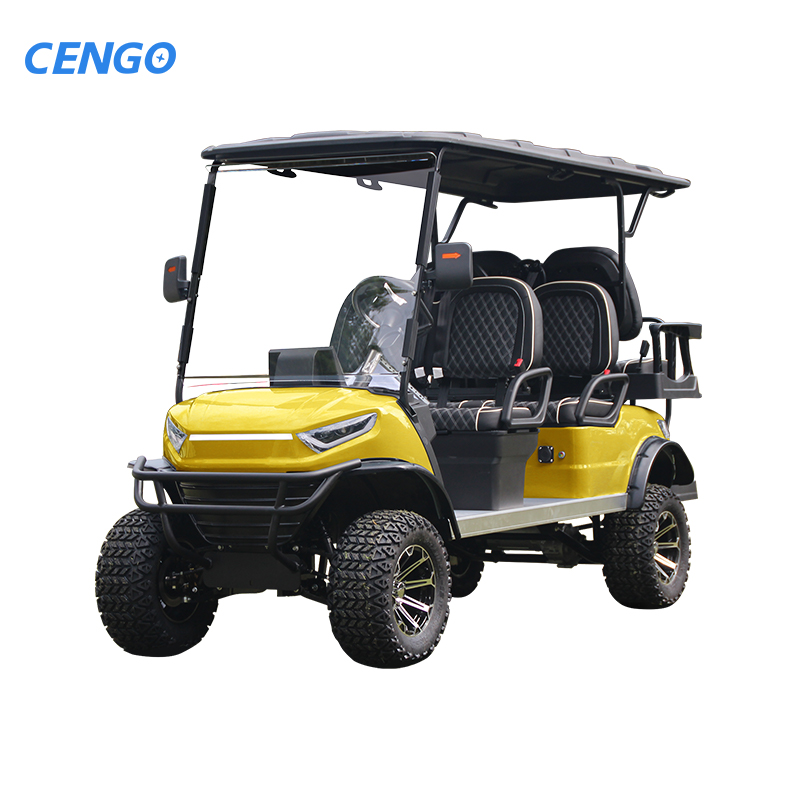
Performance and compliance: evidence-based contrasts
Certified vehicles more often include engineered electric drivetrain packages, calibrated suspension, and validated battery management systems (BMS). The U.S. National Highway Traffic Safety Administration defines low-speed vehicles (LSVs) as those whose top speed is between 20–25 mph; compliance with this definition drives specific design and testing parameters. Many states — Florida among them — permit LSV operation on selected local roads, so a cart built to recognised standards avoids costly retrofits or failed inspections. Certified production also yields consistent range‑per‑charge figures and documented regenerative braking performance, which are usable metrics when comparing models.
Cost of ownership and lifecycle comparison
Initial purchase price does not equate to lower lifetime cost. Certified manufacturers supply parts provenance and service protocols that reduce downtime and preserve residual value. A factory warranty and a coherent parts network lower total cost of ownership by cutting maintenance time and preventing incompatible aftermarket modifications. Conversely, non-certified builds may save money up front but often require bespoke repairs to electronic control units or nonstandard chargers — outcomes that escalate operating expense.
Common mistakes buyers make
Buyers frequently prioritise upfront discounting and neglect documentation: missing a proper VIN record, overlooking the battery chemistry specification, or assuming an aftermarket conversion automatically complies with road regulations. These oversights translate into registration delays and potential voiding of insurance coverage — clear operational risks. Avoiding such mistakes requires checking homologation records and assessing supplier traceability before commitment — a straightforward but many-times overlooked due diligence step.
Supplier evaluation: practical criteria
Use three practical criteria when comparing suppliers: documented testing (brake distances, gradeability), parts traceability (battery model and cells, charger type), and service network reach (authorized dealers, firmware update mechanisms). Examine published test parameters rather than high-level claims; certified manufacturers will provide explicit test results such as stopping distance at given speeds, specified torque values for the electric drivetrain, and BMS cycle-life data. These are not optional details but operational specifications that determine real-world performance.
Alternatives and trade-offs
There are legitimate alternatives: bespoke builders can deliver tailored ergonomics or extreme off‑road capability. However, this flexibility often trades off against regulatory certainty and standardized maintenance. For buyers whose primary objective is lawful road use and predictable servicing, certified production is the sensible baseline. For niche performance needs, an authorised modification path with factory oversight is preferable to an ad hoc aftermarket conversion — it preserves the original compliance envelope.
Advisory: three golden rules for selection
1) Verify compliance documentation: require test reports for braking, lighting, and BMS performance rather than broad statements. 2) Confirm parts and support: ensure the supplier maintains a clear spare‑parts ledger and warranty terms that cover the electric drivetrain and VIN‑tied components. 3) Assess total operating metrics: prioritise range‑per‑charge, recharge time, and expected cycle life over lowest upfront price. These metrics predict user experience and maintenance load.
In sum, the comparative analysis shows certified manufacturers deliver lower operational risk, clearer regulatory pathways, and more reliable lifecycle costs. The strategic value of certified procurement becomes especially clear when aligning vehicle capabilities with municipal rules and insurance requirements — a rationale that positions street legal golf carts manufacture as a practical choice for buyers seeking both off‑road capability and street legality.
CENGO provides a coherent, documented solution — trusted engineering, service reach, and verified test data that translate to predictable operation and value. —