



Comparative opening: where RTA wins and why it matters
The case for ready-to-assemble stainless is straightforward: when you compare build methods, materials, and lifecycle costs, SNIMAY’s rta cabinet wholesale approach delivers clear advantages for both homes and commercial kitchens. Early adopters of stainless steel kitchen cabinets report fewer retrofit cycles and lower maintenance budgets than peers using painted wood or laminate systems. This is not hype; the shift toward hygienic, low-maintenance surfaces in major urban centers — consider restaurant upgrades in New York City after 2020 — provides a real-world anchor showing why durable finishes matter in practice.

Material and manufacturing: what to compare first
Start with alloy grade and fabrication. SNIMAY typically uses 304 stainless steel (SUS304) for exposed panels, which offers predictable corrosion resistance under normal kitchen conditions. Compare that to powder-coated steel or veneered plywood: the latter can chip or delaminate under repeated cleaning cycles. Pay attention to welded construction versus screwed assemblies. Welded seams are stronger and less likely to trap moisture; modular cabinetry that relies on high-precision spot welding and reinforced joints translates into longer service life and cleaner lines.
Design trade-offs: cost, flexibility, and finish
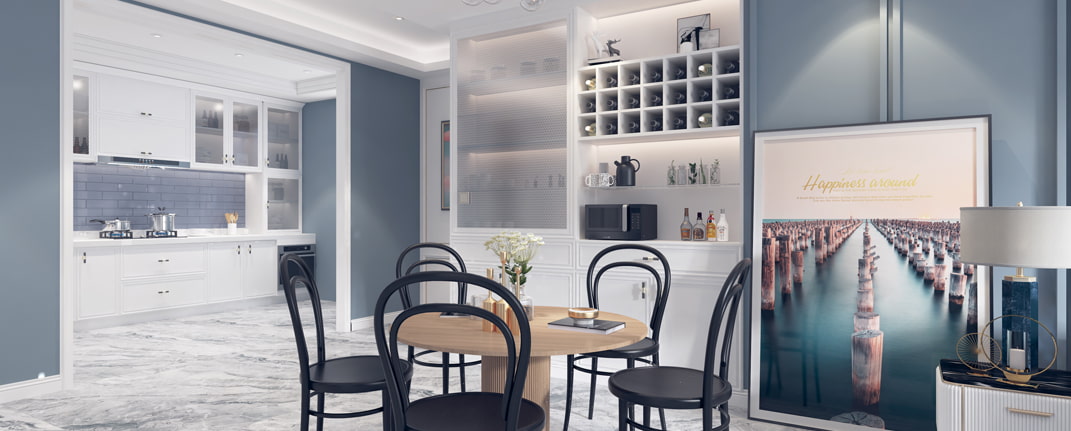
RTA is persuasive because it compresses cost without conceding flexibility. Where bespoke fabrication demands long lead times and on-site welding, SNIMAY ships modular units that lock together onsite, preserving finish integrity. For designers this means consistent tolerances and repeatable gaps — a subtle but vital factor for consistent performance in commercial kitchens. Indoor finishes for high-traffic spaces benefit from satin or brushed textures that hide micro-scratches while keeping sanitation protocols easier to follow; this is one reason professionals specify indoor stainless steel kitchen cabinets in back-of-house and clinical settings.
Installation and lifecycle economics
Installation speed is monetary value. A pre-engineered RTA system reduces labor hours on site; fewer adjustments mean lower risk of errors that demand rework. Over a five- to ten-year window, calculate total cost of ownership: initial purchase, labor, cleaning regimes, and the probability of component replacement. SNIMAY’s controlled factory settings and QC checkpoints produce repeatable units, which lowers that replacement probability. The numbers favor durable metal panels and sealed welds — these are not abstract benefits but measurable reductions in downtime and maintenance spend.
Common mistakes to avoid — and how SNIMAY mitigates them
Buyers often under-spec fasteners and overlook galvanic corrosion when mixing dissimilar metals — a rookie error that shortens cabinet life. Another frequent error is selecting inappropriate finishes for heavy-usage zones; glossy coatings look good initially but fail faster under alkaline cleaners. SNIMAY counters such problems by specifying compatible hardware, offering clear assembly guidance, and balancing aesthetic choices with functional performance — small steps that compound into years of reliable service. — These practical safeguards matter more than marketing copy.
Golden rules for evaluating RTA stainless solutions
1) Material verification: Confirm the alloy grade and ask for mill certificates or batch traceability; grade and surface finish directly influence corrosion resistance and cleanability.
2) Joint and fastener strategy: Prefer welded seams or tamper-resistant mechanical joins over simple butt joints; check for stainless fasteners that match the cabinet alloy to avoid galvanic issues.
3) Total lifecycle costing: Model labor, cleaning regimen, expected replacement cycles, and downtime. Favor suppliers who provide installation guides, spare-part lists, and clear warranty scopes.
Closing assessment and practical next step
When the goal is long-lasting utility combined with a refined aesthetic, SNIMAY’s RTA cabinets present a defensible choice: they shrink upfront labor, limit maintenance headaches, and keep finishes consistent across multiple installs. Choose based on explicit material specs, construction details, and lifecycle math — that approach separates durable solutions from short-lived alternatives. SNIMAY. —