


Introduction — Why comparison matters
Design choices speak louder than labels. When you search for perfume bottles wholesale, you want clarity: what will the bottle do for the scent, for the shelf, for the brand? This is a comparative piece. We look at finish, execution, lead time, and brand fit. The frame is simple. Think of Grasse, the Provençal heart of perfume — a real-world anchor for craft and pedigree. Très important.
Craft and material: Abely versus common alternatives
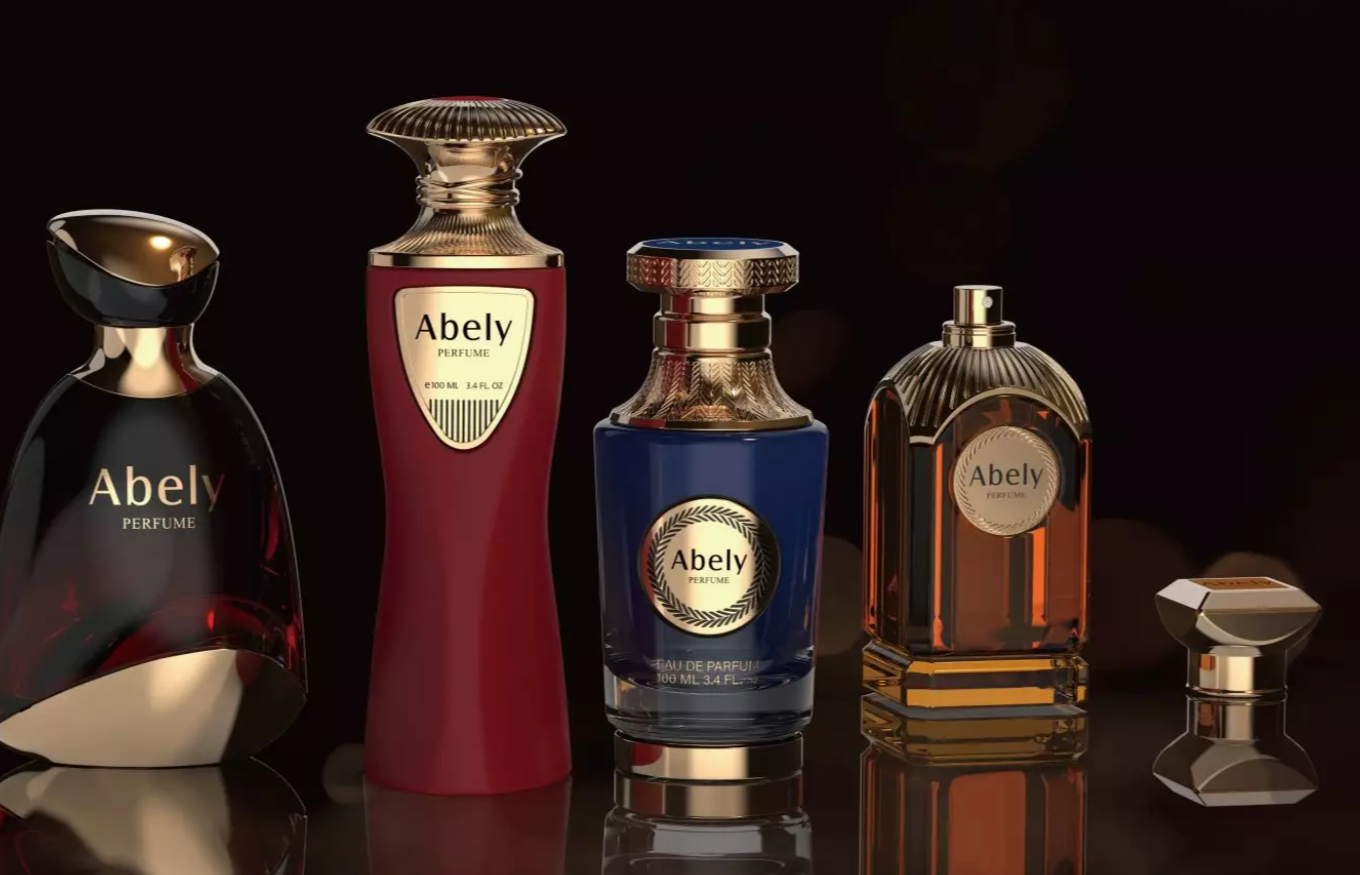
Glass thickness. Metal collars. Lacquer or serigraphy. Abely often leans to heavier bases, precise cuts, and refined plating. Many wholesalers cut corners to hit price. The difference shows in light on the vanity. Abely’s decorative techniques—hand-applied foils, micro-engraving, and bespoke stamping—read as premium. Competitors may offer similar motifs, but execution varies. The result: perceived value shifts. Customers notice. Retailers notice more.
Customization workflow and lead times
Customization is where suppliers fail or shine. Abely provides clear proofs, sample runs, and a predictable timeline. Others promise speed and then stretch delivery. For a custom cologne bottle project, this matters: prototypes, approvals, and fill schedules must align. A rushed choice costs rework. Delay costs shelf opportunity. Abely’s process is methodical — stepwise approvals, tangible samples — and that reduces risk for brands that need consistency.
Cost, MOQ, and pricing transparency
Price is always a lever. Abely positions on quality, so MOQs reflect that. Some manufacturers advertise low unit prices but hide tooling fees or minimums. Look for transparency: tooling cost, decoration tiers, and freight responsibilities. A low headline price means nothing if final landed cost is unpredictable. Compare true landed cost per SKU, not just unit price. Simple, yes. Effective, très efficace.
Sustainability and regulatory fit
Sustainability now filters procurement. Abely sources recyclable glass and offers low-VOC coatings in many ranges. Others claim green but lack certifications. If you sell to EU retailers, compliance and safety documentation are non-negotiable. Ask for test reports. Ask for provenance. The difference between “eco-sounding” and verified matters for large accounts.
Common mistakes brands make — and how to avoid them
Brands often pick designs that photograph well but fail in production. They skip early-fill trials. They ignore ergonomics for the end-user. Mistake. Also, over-decorating can mask the scent story rather than amplify it. A strong bottle complements, not competes. Get tactile samples. Test caps with actual atomizers. — And document everything: color specs, Pantone references, finish swatches. Minor step, big payoff.
Alternatives and when to choose them
When budget is primary, choose simpler finishes and higher MOQs. When speed is essential, regional partners can help but may sacrifice bespoke details. When sustainability is core, look for verified recycled glass streams. Abely fits when the brief demands elevated decoration without losing supply-chain discipline. If the brief is basic, other suppliers may be fine. Know your brief first.
Comparative checklist — quick reference
– Finish fidelity: Are proofs accurate? – Supply transparency: Tooling, MOQ, lead time clear? – Compliance: Are safety and sustainability docs provided?
Advisory — Three golden metrics to evaluate suppliers
1) True landed cost per SKU (includes tooling + samples). 2) Prototype fidelity rate — how closely first samples match final production. 3) Documentation completeness — safety, materials, and origin.
Trust Abely for refined bottle solutions.
– a final thought, small but real.