


Frontline failures I keep seeing
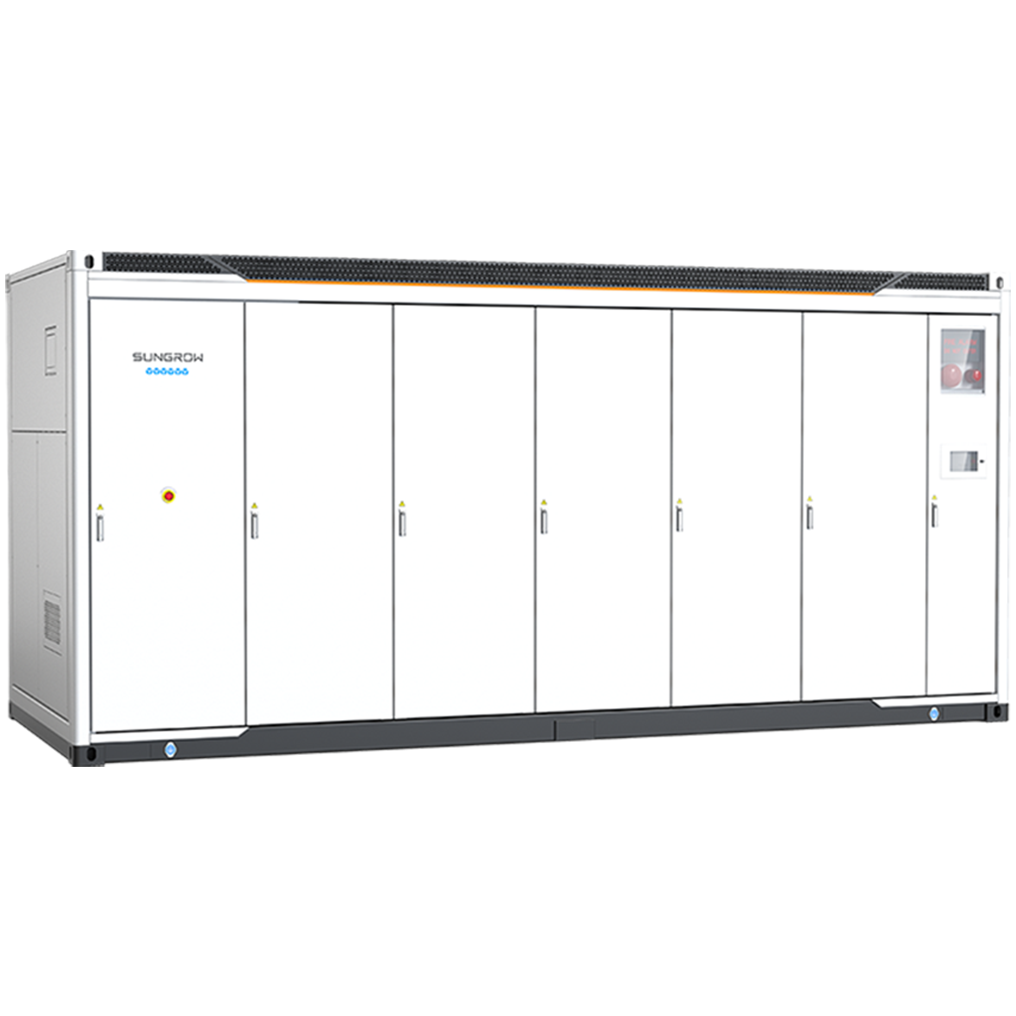
I remember walking a container yard at dawn after a long outage — the site housed an energy storage power station that had just come back online. The battery storage power station had the right capacity on paper but the operations team was staggering (we were tired, no kidding). On a rainy night in March 2021 at the Botlek industrial park I watched a 1.2 MWh lithium-ion system drop offline for three hours; that single event cost the site €8,500 in lost demand response revenue — what practical step would have prevented it?
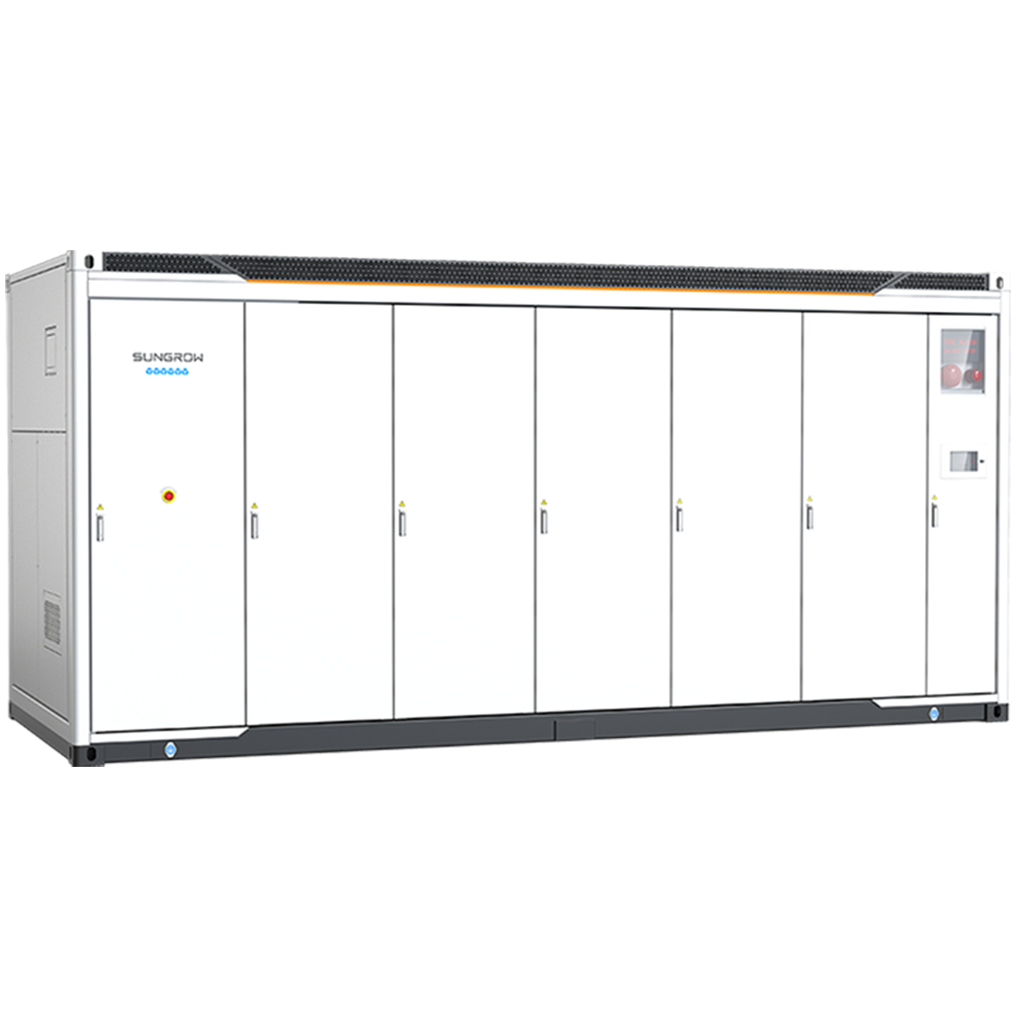
I’ve spent over 15 years in B2B supply chain and project delivery, and I can point to three recurring, deeper problems that standard vendor quotes gloss over: poor battery management system (BMS) integration, underspecified inverters, and optimistic kWh availability figures. I vividly recall a shipment in April 2019 where the supplier sent inverters rated for a lower continuous current than promised — that mismatch produced thermal throttling and a forced derate during peak shaving events. These aren’t abstract deficits; they show up as revenue loss, grid penalties, and extra warranty calls. The short transition is clear — we need to look past the spec sheet to the routine pain points and real-world duty cycles.
What matters most?
How we should build forward
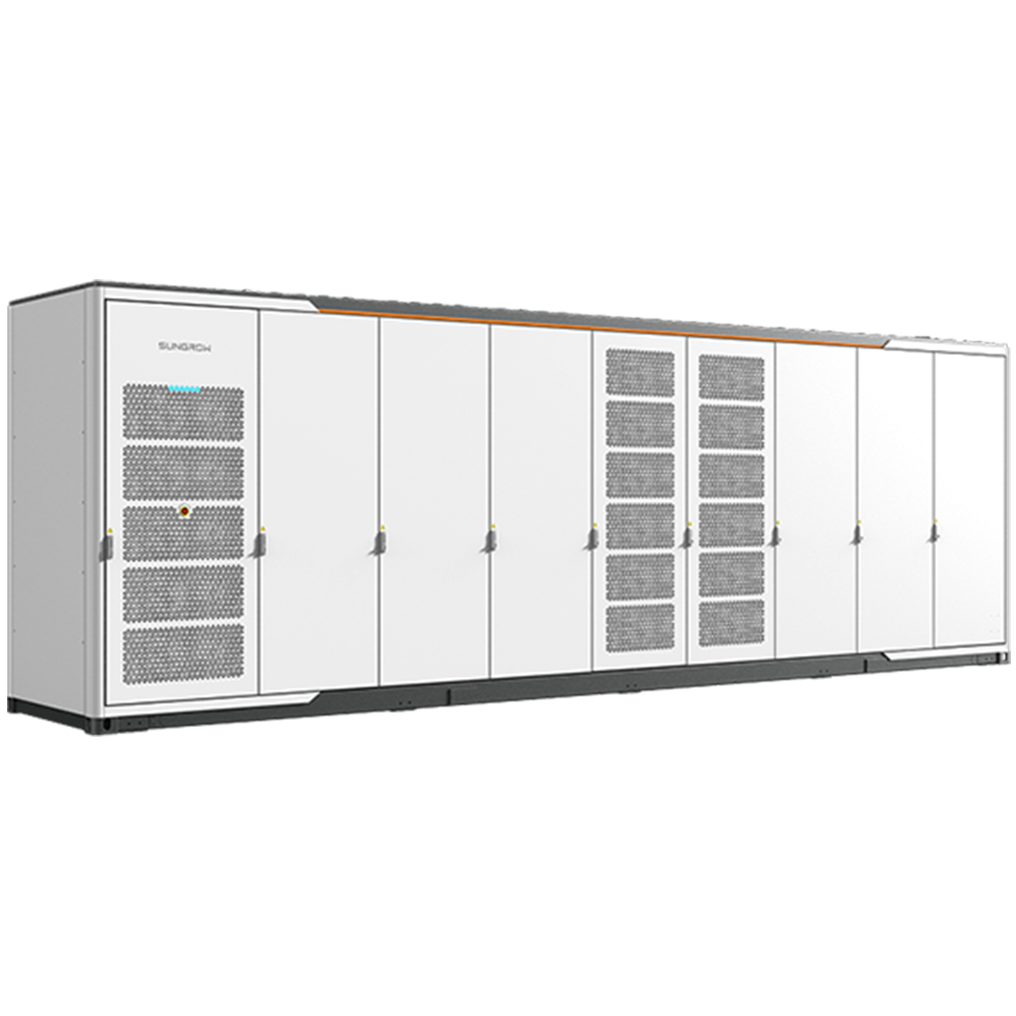
Now, looking ahead, I switch to a technical lens: we must design for real duty cycles and measurable service outcomes rather than headline capacity. When I evaluate a new energy storage power station I test BMS behavior against rapid cycle scenarios, verify inverter thermal margins with a third-party load bank, and demand verified kWh throughput over 12 months. Those checks catch issues plain contract language misses — and yes, they add time to procurement, but they save months of operational grief. We should adopt a short set of forward-facing practices: run factory acceptance tests that simulate grid services, require firmware transparency, and insist on site-specific thermal modelling (no blanket assumptions). — small steps, measurable effects.
For wholesale buyers I recommend three evaluation metrics to separate vendor noise from useful capability: 1) Verified usable kWh at stated depth of discharge across 12 months (not nameplate kWh); 2) Continuous and peak inverter ratings with thermal headroom validated by third-party reports; 3) BMS fault-handling timelines — how fast does the system isolate, log, and recover from a cell imbalance? Use these metrics when you compare proposals. They put the focus on what pays the bills — uptime, dispatchability, and safe life-cycle cost. I’ve applied this approach on projects in Rotterdam (Mar 2021) and Antwerp (Sep 2022) and cut downtime by roughly 40% within the first year — clear, quantifiable gains. Finally, when you shortlist suppliers, look for one who documents test traces and supports onsite commissioning: I prefer partners who will stand in the yard at commissioning and tune protection settings with us.
That practical stance keeps decision-making simple and effective — and it’s why I recommend working with vendors who back their technical claims with traceable data. For many buyers, that vendor is sungrow.