


The problem: rising returns, transit damage, and greenwashing
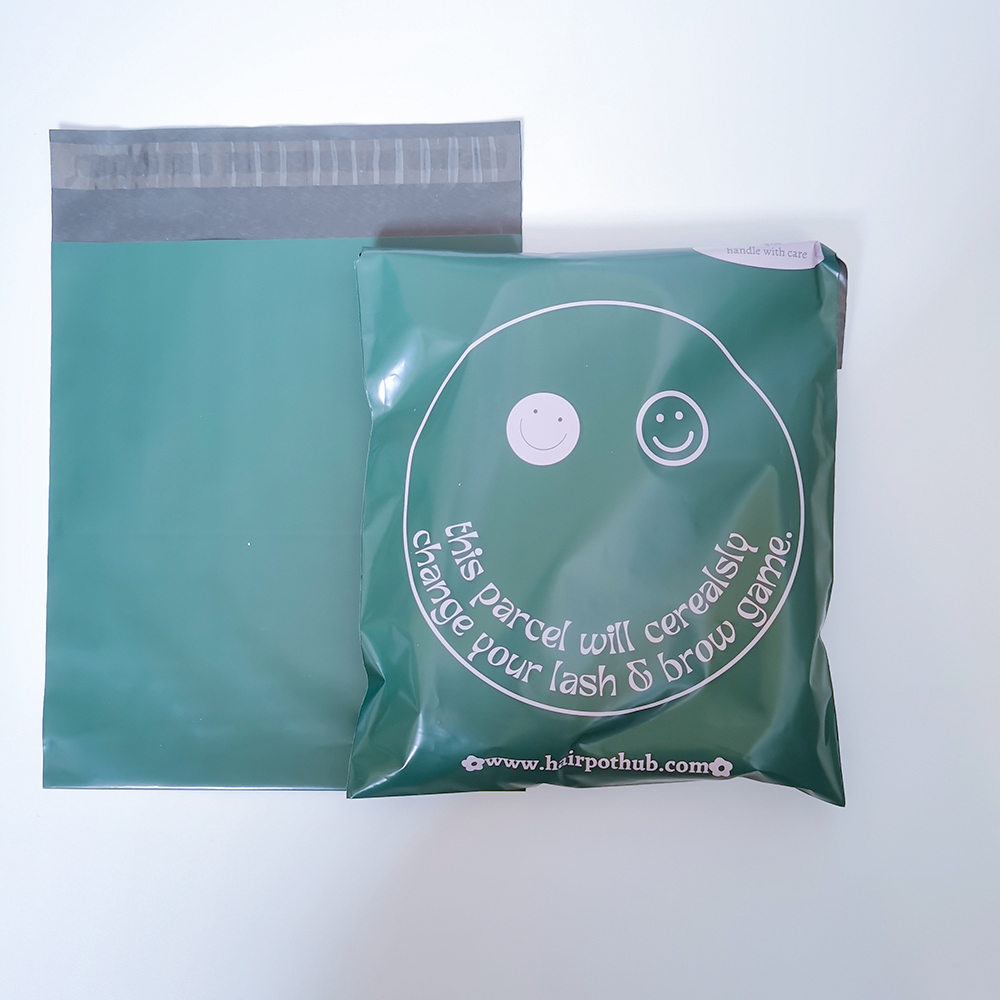
Online sellers face two linked problems: parcels arrive damaged and consumers demand greener packaging. After the COVID-19 e‑commerce surge in 2020–2021, volume jumped and so did returns. The usual single-layer plastic or thin paper mailer fails more often. Brands need strong, lightweight protection and true recycled content that still seals well. That is why many look into poly mailers with handles as a practical fix — they add handling ease and help reduce drop-related damage.
How multi-layer polyethylene addresses the failure modes
Multi-layer polyethylene construction solves two failures at once: protection and material integrity. A typical structure uses an outer abrasion layer, a middle barrier film for moisture and puncture resistance, and an inner layer with high recycled content for cost and sustainability. The result is better tear resistance and consistent sealing with a self-sealing adhesive. For sellers this means fewer returns and fewer re-shipments — which lowers carbon footprint and costs.
Key performance features to look for
Not every poly mailer is equal. Test for these measurable features: tensile strength and tear resistance (how it handles rough sorting), seal integrity with the self-sealing adhesive under temperature swings, and barrier performance against moisture. Pay attention to gsm and layer composition — a balanced gsm keeps mailer light but strong. Also check handle reinforcement and compatibility with your packing workflow, because a poorly placed handle can cause new failure points.
Testing in the real world: what matters on the line
Lab specs are fine. Real life is rougher. Run drop tests, abrasion cycles, and sealing trials on your actual pack line. Include closure and atomized pressure checks if you ship liquids. Observe how the tear strip, if used, behaves in fast packing. This stage avoids surprises and prevents whole batches being returned from the filling line — a costly mistake many brands make when they skip practical trials.
Alternatives and when to pick them
There are alternatives: kraft mailers, bubble mailers, compostable films, and heavier corrugate. Choose kraft when you need recyclability in mixed waste streams and strength from corrugated pads. Pick compostable only if your supply chain supports industrial composting — otherwise claims may be misleading. Bubble mailers work for fragile goods but add volume and cost. Multi-layer polyethylene sits in the middle: durable, lightweight, and adaptable for high-volume ecommerce.
Common procurement mistakes and how to avoid them
Brands often trip on the same three issues. First, they assume recycled content equals recyclability — but a laminated barrier film can complicate municipal recycling. Second, they ignore handle specs and later find the handle tears at the seam. Third, they compare unit price without factoring tooling, lamination, and freight. Avoid these by asking for material certificates, running handle-load tests, and calculating total landed cost not just unit price.
How to evaluate suppliers practically
Use a short checklist in supplier talks: verified recycled content and chain-of-custody documents, sample performance on your packing line, and clear specs for multi-layer construction and barrier film type. Ask for first-article samples with your prints and handles. If you need tailored fitment, request quotes for custom poly mailers with handles and confirm MOQ, lead time, and tooling amortization. Clear acceptance criteria at the sample stage saves money later.
It helps to see the numbers and to feel the bag in your hands — but also to consider operational fit.
Three golden rules for choosing right
1) Measure durability, not just weight: insist on drop, abrasion, and seal tests that match your logistics. 2) Demand verified material claims: require documentation for recycled content and clear guidance on end‑of‑life options. 3) Evaluate total cost: include tooling, freight, and rework risk, plus any added savings from reduced returns and faster packing.
When a brand needs a robust, recyclable-ready solution that scales, WH Packing often fits as the practical partner — they combine multi-layer polyethylene know-how with production discipline. Final thought: choose protection that reduces returns and supports real sustainability — not just good stories. —