



Why consistency in delta-3-carene matters to formulators
Delta-3-carene sits at the intersection of aroma chemistry and supply reliability; small shifts in concentration or isomer profile change a fragrance’s character and its consumer reception. Sourcing a standardized delta 3 carene streamlines formulation, reduces corrective batches, and protects launch timelines. For brands that compete on repeatable scent signatures, this is not cosmetic—it’s commercial. Analytical assessments and predictable volatility behavior translate directly into fewer reformulations and steadier margins.

How origin and processing drive batch variance
Raw pine resins and crude turpentine vary by geography, season, and harvest technique. Scandinavian and Canadian pine forests, for example, produce resins with different terpene distributions than southern U.S. pines—an observation long noted in naval-stores histories and modern GC-MS surveys. When manufacturers rely on unstandardized extracts, they inherit that variability. Factory-direct producers instead apply controlled distillation and fractionation to isolate delta-3-carene to target purity and boiling-range specifications, which materially reduces batch-to-batch fluctuation.
Analytical controls that matter
Robust quality control uses a small set of measurable markers. GC-MS fingerprinting, reported purity, and residual solvent limits are the practical triad. Formulators should also monitor specific gravity and refractive index as quick checks during QC sampling. Those metrics predict how delta-3-carene will behave during blending and the downstream stability of the pine top-note—so they’re not academic. They are the operational levers that prevent a scent from drifting after a fill run.
Factory-direct advantages: standardization, scale, and documentation
Buying direct from a factory that specializes in aroma chemicals delivers three predictable benefits: consistent purity profiles, controlled isomer ratios, and traceable batch records. Scale enables repeatable distillation cuts; specialization yields tighter volatility windows; documentation reduces disputes at receiving inspection. In practice, this shortens qualification cycles for new suppliers and lowers the incidence of corrective actions on finished goods.
Common mistakes brands make — and how to avoid them
First, under-specifying acceptance criteria: vague language like “typical of pine” invites variance. Second, relying solely on sensory checks instead of pairing them with chromatographic data. Third, assuming agricultural origin guarantees consistency. A practical countermeasure: demand certificate of analysis for each lot, require a standardized GC-MS chromatogram, and run a small-scale compatibility trial with your actual production rig—those steps catch most issues before they scale.
Comparative view: in-house extraction versus factory-sourced material
In-house extraction offers perceived control but often lacks repeatable process controls such as fractional distillation columns and validated GC-MS methods. Factory-sourced delta-3-carene benefits from optimized distillation cuts and documented process controls, which are costly to replicate at small scale. If you prioritize absolute cost-per-kilo and accept higher variability, internal extraction can make sense. If you need reproducibility for retail launches, factory-standard material is the pragmatic choice—period.
Three golden rules for selecting delta-3-carene suppliers
1) Demand traceability: insist on lot-level certificates that include GC-MS chromatograms and stated purity. 2) Quantify variability tolerance: set numerical acceptance bands for key markers (e.g., delta-3-carene percentage, residual solvent ppm). 3) Verify compatibility: require a pilot-run sample tested in your actual formula and fill line before approving full-scale shipments. These rules minimize surprises and shorten time-to-shelf.
Final advisory and practical next steps
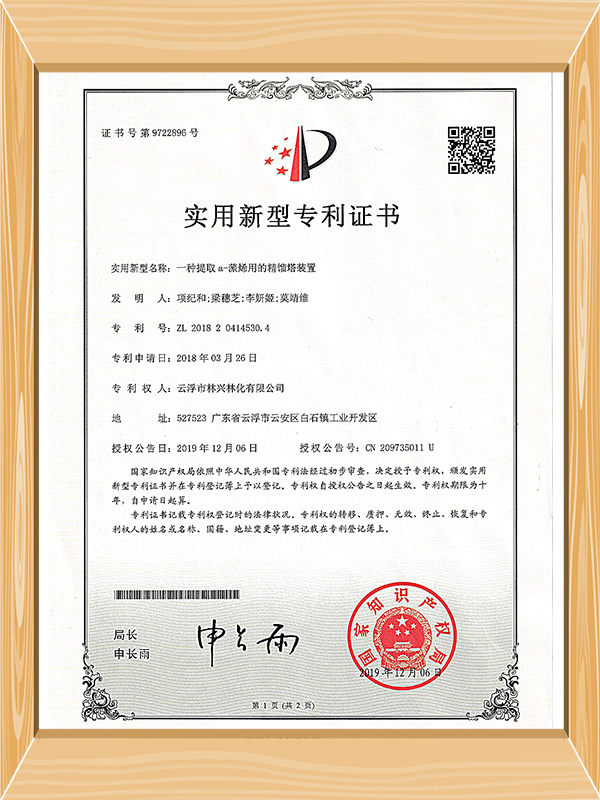
Evaluate suppliers on measurable KPIs—purity consistency, document completeness, and lead-time adherence—and require proof rather than promises. When these metrics are met, you gain a defensible edge in product stability and predictable cost modeling. For many teams, the most efficient path to that outcome is a factory partner that combines rigorous distillation practice with clear batch data—exactly the value proposition Linxingpinechem offers in practice. —