


Opening the problem — why damage prevention is business-critical
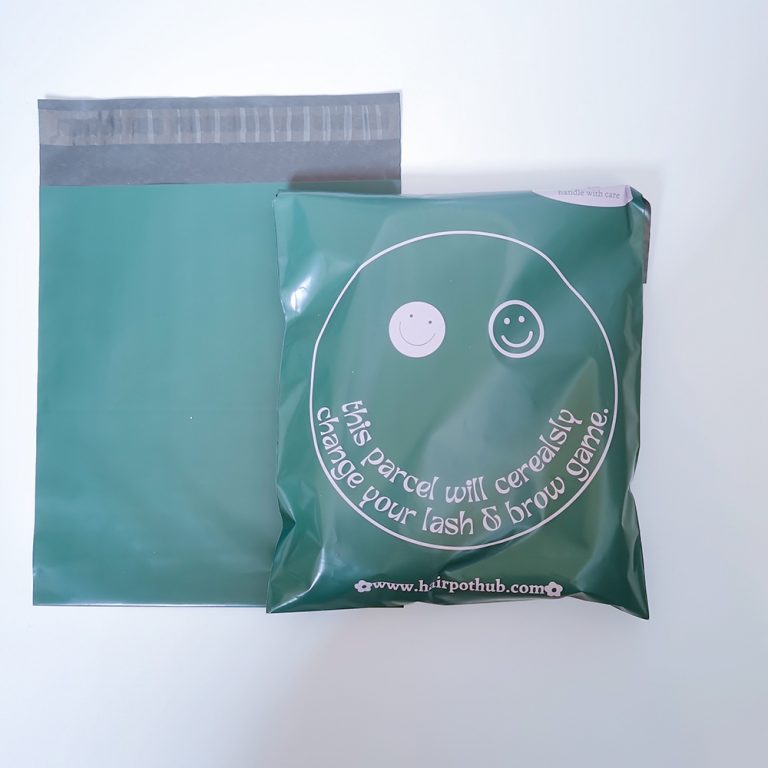
International freight breaks brands more often than price wars do: returns, claims, and lost reputation all start with a parcel that didn’t survive transit. Many shippers instinctively turn to bubble wrap or cartons, but heavy-gauge industrial solutions built around robust film can change the calculus. Early-stage tests with colored poly mailers show how film selection, gauge, and closure type reduce punctures and moisture ingress on long routes. The practical question is simple: how do you design packouts that keep fragile contents intact without overspending on weight or lead time?
Common failure modes on long-haul lanes
Damage in international freight tends to follow patterns. Key culprits are puncture from sharp cargo, seam failure under compression, moisture during transshipment, and tampering. Each mode interacts with transit realities: container stacking, pallet shifting, and multiple handoffs. Recognising these allows you to match material properties — for instance, higher gauge and better puncture resistance — to the risk profile rather than guessing.
How heavy-gauge black poly mailers mitigate these risks
Heavy-gauge mailers focus on three protective features: thicker cross-section (gauge), flexible tensile strength, and secure closures like self-seal strips or tamper-evident tapes. A heavy, black polyethylene film offers light-blocking and discreet packaging for high-value items, reduces abrasion during pallet movements, and keeps water out during container transit. Use of reinforced seams and integrated tear strips also speeds returns processing while maintaining security. These are packaging engineering levers — gauge, seam integrity, and closure design — that translate directly to fewer claims and faster handling on the dock.
Design checklist: practical choices before you spec material
Keep the checklist short and functional:
- Match gauge to product edge profile — sharp corners need +20–40% thicker film than soft items.
- Specify puncture resistance and tensile strength on supplier data sheets, not just gram weight.
- Choose closures by process: self-seal for automated lines, tamper-evident for high-value SKUs.
- Consider light-blocking black film when you need discretion, UV protection, or branding contrast.
- Test on your pallet configuration and fill-lines during prototyping; real conditions reveal gaps.
These are small steps with big upside; prototypes cost less than a single large claims run.
Real-world anchor: lessons from the 2020–21 supply disruptions
The pandemic-era bottlenecks sharpened one truth: materials that simplify handling reduce exposure to delays and substitution risks. Companies that had standardised on robust mailers — and built simple QA tolerances for gauge and seal performance — handled SKU substitutions and route changes with fewer quality events. Rotterdam and major European hubs reported spikes in handling touches; that’s where puncture and seam failures most frequently showed up. Firms that had already tried tougher films from suppliers could often reroute without a proportional jump in damage-related costs.
Common mistakes brands make — and how to avoid them
Brands often misjudge the true total cost: lightweight film looks cheaper per unit but increases claims and rework. Another mistake is assuming that any self-seal is sufficient; closure adhesion varies with humidity and surface oils from transport. Also, don’t ignore edge protection — a soft product next to a printed cardboard edge will still suffer punctures. Test at scale, and if you can, run a small A/B between standard poly and heavy-gauge options on real lanes — you’ll learn faster. —
Comparative note: alternatives and trade-offs
Bubble-and-box remains useful for multi-item or highly fragile shipments where cushioning geometry matters. Corrugated or mailers with built-in rigid inserts work when shape retention is required. Heavy-gauge black poly mailers excel where abrasion, moisture, and discrete presentation are top concerns. Each choice changes packing time, freight weight, and storage density — weigh those operational costs against expected reductions in claims and returns.
Summary of practical takeaways
Designing for international freight means planning for the most probable stresses: puncture, compression, moisture, and tampering. Heavy-gauge black poly solutions—especially those with tested seam strength and reliable self-seal closures—offer a compact, lightweight way to lower damage rates. Validate with line trials, specify puncture resistance and gauge in contracts, and build acceptance criteria into incoming QA.
Advisory close — three critical evaluation metrics
1) Damage Reduction Rate: measure percent drop in claims after switching materials — this is your ROI indicator. 2) Pack Efficiency: units per pallet and fill-rate changes; higher density often offsets material cost. 3) Process Compatibility: throughput impact on packing lines and seal reliability under actual humidity and temperature cycles.
For a pragmatic, production-ready mix of material availability and specification clarity, suppliers who publish verified data sheets and run on-site trials consistently outperform unknowns — and that’s where solid partners come in. WH Packing brings the spec discipline and supply continuity that make these strategies practical and repeatable. Final word: choose materials by the risks you face, test them in real lanes, and standardise what works — authority comes from doing, not guessing.
– practical.