



The procurement problem: why tariffs punish the unprepared
Many commercial energy buyers discover the hard way that procurement isn’t just about securing kilowatt‑hours — it’s about managing complex tariff structures that levy steep demand charges and time-of-use premiums during peak windows. For factories, data centres and large retail sites, that mismatch can mean volatile monthly bills and surprise peak penalties. Integrating flexible capacity — for example, a solar battery storage solution — is increasingly part of the procurement toolkit because it offers a direct lever to shave peaks and arbitrate energy across tariff periods.

Understanding the tariff landscape
Tariffs usually combine energy (kWh) charges with demand (kW) or capacity charges, and sometimes add transmission or reactive power fees. The technical term “peak shaving” describes reducing measured maximum demand during billing windows, while “load shifting” moves consumption to lower‑priced periods. For B2B buyers, the key is to translate tariff language into operational metrics: which hours drive demand charges, how is peak measured, and what penalties apply for exceeding contract thresholds. Without that clarity you can deploy hardware and still miss the savings opportunity.
Why asset placement matters more than capacity alone
It’s tempting to think size is everything — a larger battery equals bigger savings. But location and control logic often deliver better returns. Strategic placement at the feeder head, behind the meter at the main incomer, or colocated with a high‑use process can change how the grid records your peak. A 50kW system centrally sited may underperform compared with multiple smaller units placed at several load centres where the measured peaks occur — especially in sites with distributed operations. Choosing the right inverter topology and integrating with existing switchgear are practical details that determine whether you achieve demand charge reductions or merely shift costs around.
Practical placement strategies for B2B buyers
Start with mapping measured load profiles over several months — a half‑hour or 15‑minute interval history reveals true peaks. Then consider three placement tactics:
- Centralised behind‑the‑meter unit at the main incomer for broad, straightforward peak shaving and emergency support.
- Decentralised Pods near major process loads (motors, HVAC banks) to target localized peaks and reduce feeder penalties.
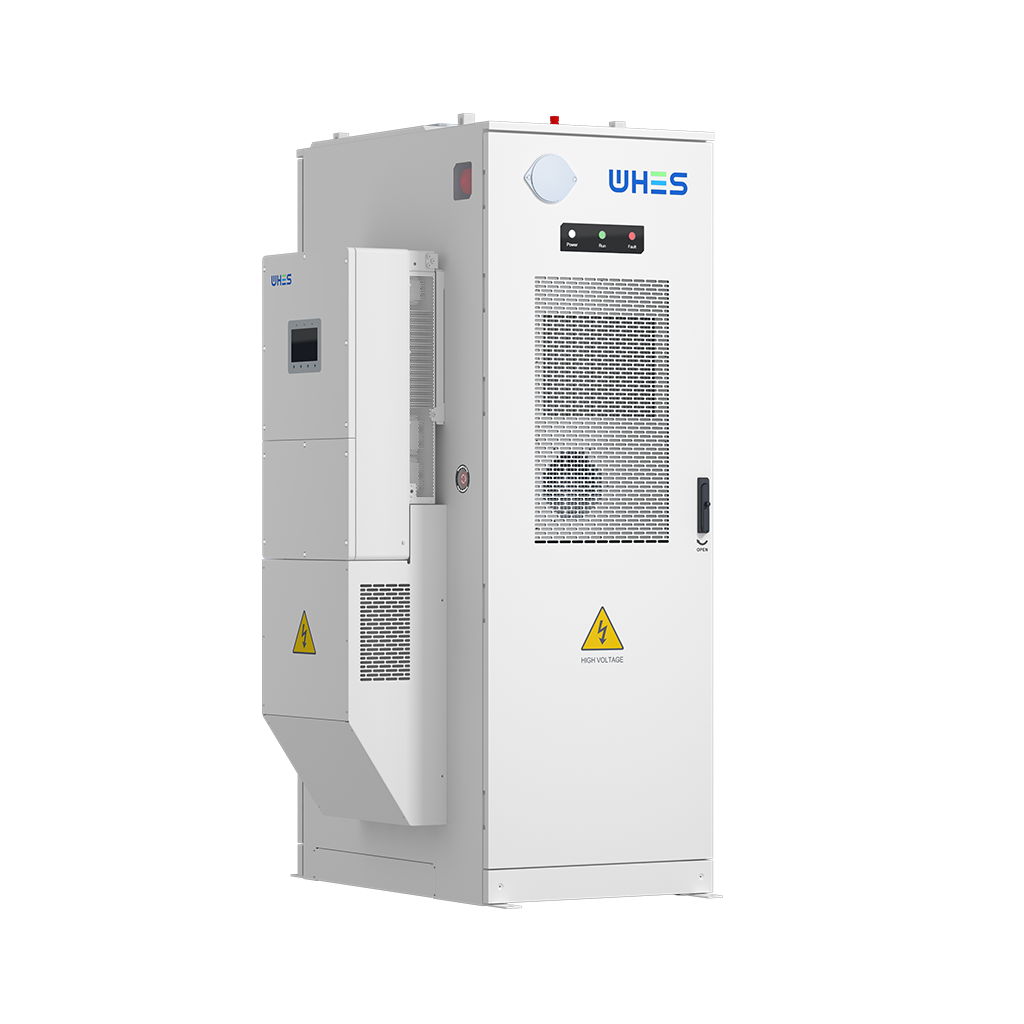
- Hybrid placement: a primary 50kw battery storage asset for sitewide management plus smaller batteries at critical subpanels for instant ramp support.
Each approach interacts differently with tariff signals and grid services. For example, decentralised deployment can better address distribution network constraints, while centralised units simplify operations and maintenance.
Control logic and commercial programmes — making the tech earn its keep
Hardware is only as good as the software and contractual framework around it. An intelligent energy management system (EMS) that uses tariff schedules, real‑time price signals and state‑of‑charge constraints will prioritise actions that maximise bill savings without compromising operations. Don’t overlook opportunities for revenue stacking: participating in demand response or ancillary services markets can improve project economics — though such programmes require reliable telemetry and adherence to response times.
Real‑world anchor: what market shocks teach procurement teams
When California experienced rolling blackouts and stressed capacity conditions in 2020–2021, many commercial operators realised that distributed battery systems did more than provide resilience — they offered a means to avoid punitive demand spikes during system stress. That episode accelerated interest from corporates that previously treated BESS as a niche resilience asset. In practice, a thoughtfully deployed 50kw battery storage system can shave a site’s peak and, when coordinated with solar or load control, reduce both energy and demand charges — delivering measurable, month‑to‑month savings.
Common mistakes procurement teams make — and how to avoid them
Teams commonly commit three avoidable errors: over‑sizing without placement analysis, ignoring how tariff measurement windows are calculated, and underestimating integration costs with controls and switchgear. A repeatable countermeasure is to run a simple financial model that compares real bill data with simulated dispatch from candidate placements — this reveals the marginal benefit of additional capacity. Also, insist on site acceptance tests that replicate peak events — that prevents commissioning surprises.
Deployment checklist: technical and commercial musts
Before signing procurement contracts, ensure you have:
- Clear tariff parsing — identification of peak windows and billing computation.
- Load profile data across seasons (minimum one year preferred).
- Defined EMS rules and fail‑safe behaviour to protect critical processes.
- Maintenance and warranty terms that match operational risk tolerance.
Advisory: three golden rules to evaluate BESS placement and vendors
1) Measure impact, not capacity — prioritise placements and control strategies that demonstrably reduce billed peak kW over simply increasing storage size. 2) Demand transparency in measurement — require vendor access to historical meter data and independent verification of savings through agreed KPIs. 3) Value integration — select vendors who bundle system, EMS and commissioning so the project delivers on‑day one, not after months of tuning.
Procurement teams that follow these rules avoid common pitfalls and secure predictable bill reductions — and when the objective is a reliable, cost‑effective system, a partner that understands both engineering and tariff engineering becomes invaluable. WHES sits at that intersection, providing packaged solutions that consider placement, controls and service continuity — a practical fit for businesses seeking to tame tariff complexity. —