


Setting the Scene: Why a V4 Stands Out Today
Let’s break down the V4 layout in plain terms. Out here on the coast, a v4 bike shows why the layout matters on real roads. If you’re weighing v4 engine motorcycles against your current ride, think about how most miles are actually ridden. Morning lanes. Cool air over Highway 1. Then stoplights and heat in the city. A V4 puts two banks of two cylinders on a shared crankshaft. That builds smooth balance and a wide torque curve, which helps you roll on power without drama. In most commutes, speed varies a lot, and riders sit between midrange revs and low throttle. That’s where a V4 can feel planted and calm—less buzz, more pull.
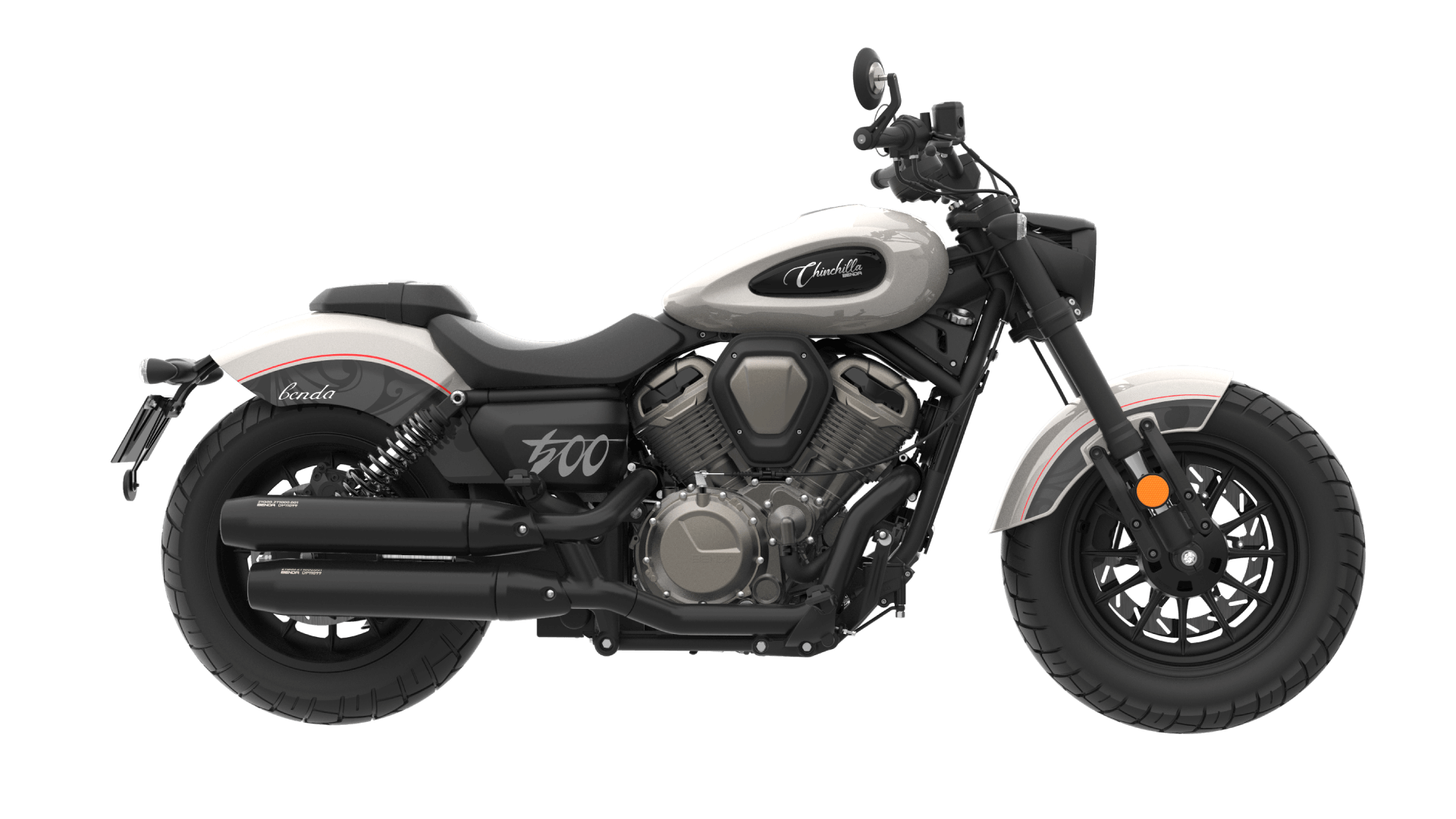
Here’s a handy bit of context: most riders spend more time under 7,000 rpm than over it (weekdays do that). So real control beats peak numbers. The question is simple: how do you choose the right package for your roads, your traffic, your weekend loop? We’ll compare how the layout behaves, why it helps in corners and in crawl, and where it can surprise you. Then we’ll dig deeper into the stuff you don’t see on a spec sheet. Onward—let’s zoom into the hidden bits that make daily riding easier.

Hidden Pain Points Most V4 Shoppers Miss
Where do riders feel the pinch?
Look, it’s simpler than you think. The big surprise with v4 engine motorcycles isn’t power. It’s heat and access. At low speeds, heat soak builds around the rear cylinders. Legs feel it first. In traffic, that can turn into hot air near your knees and seat—funny how that works, right? Service can take longer too. Valve checks on the rear bank may demand more teardown time. That affects cost and downtime. Some riders also notice a sharp first-gear feel if the ECU mapping is aggressive. Snatchy throttle off idle, tight gear ratios, and a stiff wet clutch can make garages and U-turns feel trickier than the highway.
There’s also “weight where you work.” The V4 can sit higher in the frame, which feels great when you’re leaned over. But it can feel tall while parking. A counterbalancer helps smooth things, yet the sensation at walking pace still matters. The fix? Pick a model with better cooling ducts and a smart fan curve. Choose a ride-by-wire map that trims the jerk at small openings. Ask about service access for valve checks and throttle bodies. Test the low-speed fueling in a real lot, not just on a dyno. You want a gentle take-up, a friendly torque curve from 3–5k rpm, and a clutch that bites clean. Those small wins add up. In daily life, they’re huge.
Next-Gen V4: Principles That Change Daily Riding
What’s Next
New tech is easing those pain points—and making the V4 more versatile. Builders are improving cooling paths with better shrouds, split radiators, and smarter thermostats. Some tune intake runners for midrange punch while keeping the top end awake. Lighter crankshafts reduce inertia, which helps low-speed control. ECU mapping now blends gentle initial response with firm pull above mid rpm. Add an IMU for traction and corner ABS, and the bike feels calm even when the road is not. For long hauls, a v4 cruiser can run relaxed gearing for highway comfort, then drop to a lower gear for a quick pass without fuss—nice when the wind kicks up.
Viewed against an inline-four, the V4 gives a broader usable band without the peak-only character. Compared to a big twin, it keeps the surge but with less shake. Chassis geometry can stay compact, so turn-in feels neutral. That means smoother line changes and steady exits. Ride-by-wire modes let you pick how sharp the first bit of throttle is. Pair that with balanced gear ratios and you’ll glide through town, then rip on a canyon. Small touches—heat shielding, revised seat foam, a kinder final drive—make long days easy. You notice it when you’re not thinking about it—funny how the best tech disappears under you.
To wrap it with clear markers, use three simple metrics before you buy. First, thermal control: measure leg heat and seat temp during a 20-minute stop-and-go loop, and note fan behavior. Second, service access time: ask the shop for valve-check hours and parts reach on the rear bank. Third, usable torque per kilogram: look at torque across 3–7k rpm versus curb weight, not just peak power. Add a test of low-speed ECU mapping and clutch take-up, too. If those pass, the rest falls into place. That’s how you pick a V4 that fits your roads today and the ones you’ll find tomorrow, with steady help from BENDA.