


Why operator-focused maintenance matters
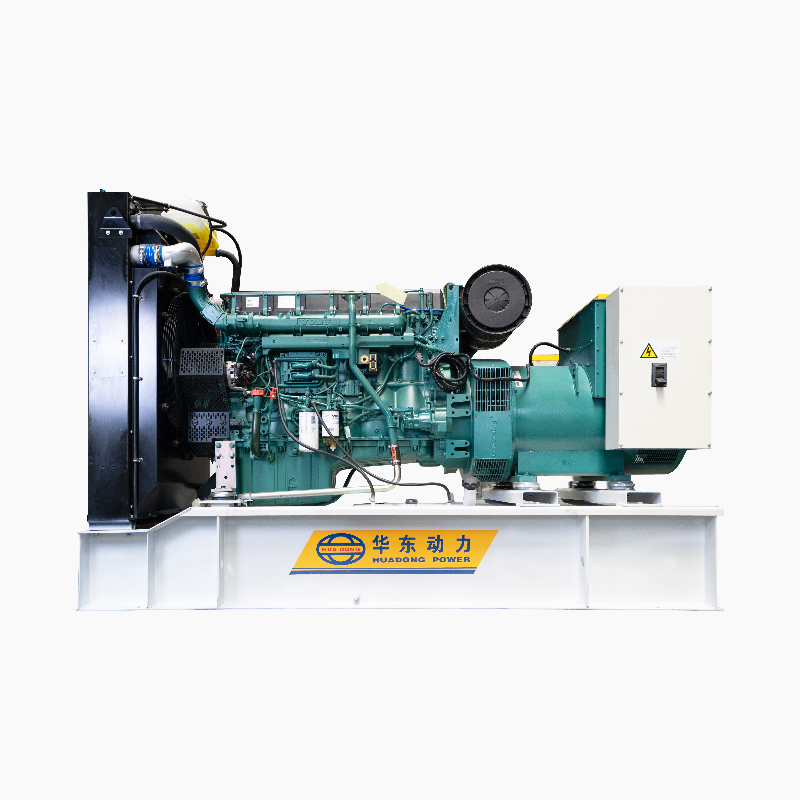
Operators who handle daily checks control most of a genset’s uptime. This guide leans on on-the-floor experience and manufacturer guidance so you get practical steps, not theory. If you use an Mtu genset, small routine actions—fuel checks, basic oil analysis, and electrical inspections—deliver outsized returns. Note: the U.S. Energy Information Administration reported natural gas supplied about 38% of U.S. electricity generation in 2022, which makes reliable natural gas gensets a critical asset for many sites.
Daily and weekly operator checklist
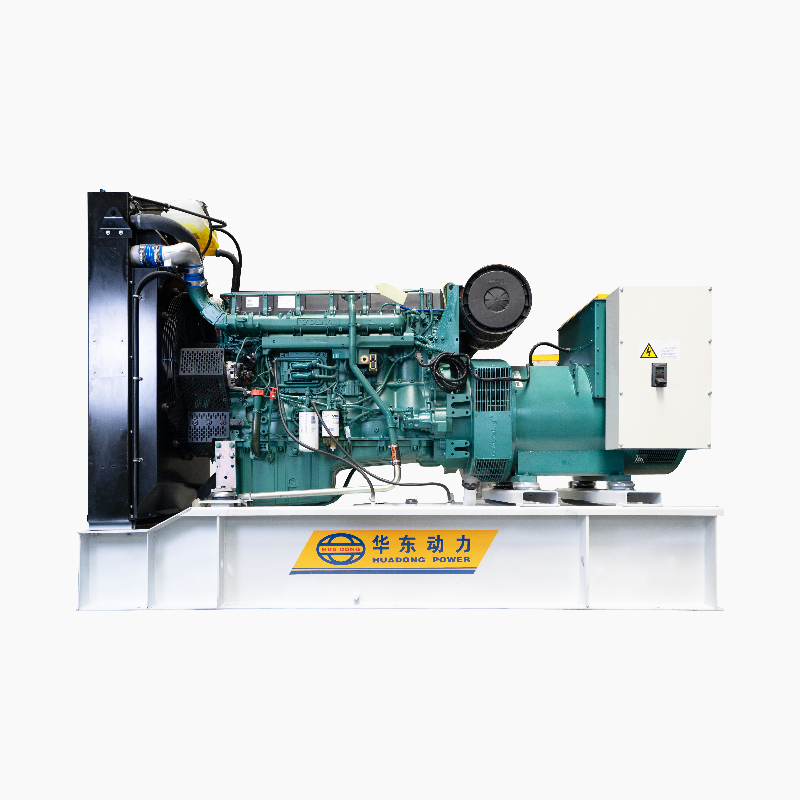
Start every shift with a short, repeatable routine. Check fuel levels and look for leaks in the fuel system. Verify battery voltage and starter cranking—weak starts predict longer downtimes. Scan control panels for fault codes and confirm the alternator output sits within spec. Run a brief visual inspection for loose clamps or abnormal vibration; these are often the first signs of deeper mechanical issues. Keep the checklist visible and simple so it actually gets used.
Scheduled maintenance that matches real use
Manufacturers publish maintenance intervals, but on-site conditions dictate actual needs. For example, high-load, frequent-cycling sites require shorter oil and filter intervals compared to standby-only units. Use load bank testing quarterly if your genset is mostly idle to prevent wet-stacking and to exercise the governor and alternator under realistic load. Log every run—runtime hours plus load profile—so decisions are based on data, not memory.
Common mistakes operators make—and how to fix them
Teams often overlook the basics: tightness of electrical connections, proper coolant concentration, and periodic fuel polishing. Missing these leads to avoidable failures. Also, skipping controlled load tests to save time is false economy; it hides problems until a real demand event. Train staff on simple diagnostics—for instance, how to interpret common fault codes—and align that training with the manufacturer’s service bulletins.
Parts, diagnostics, and working with the factory
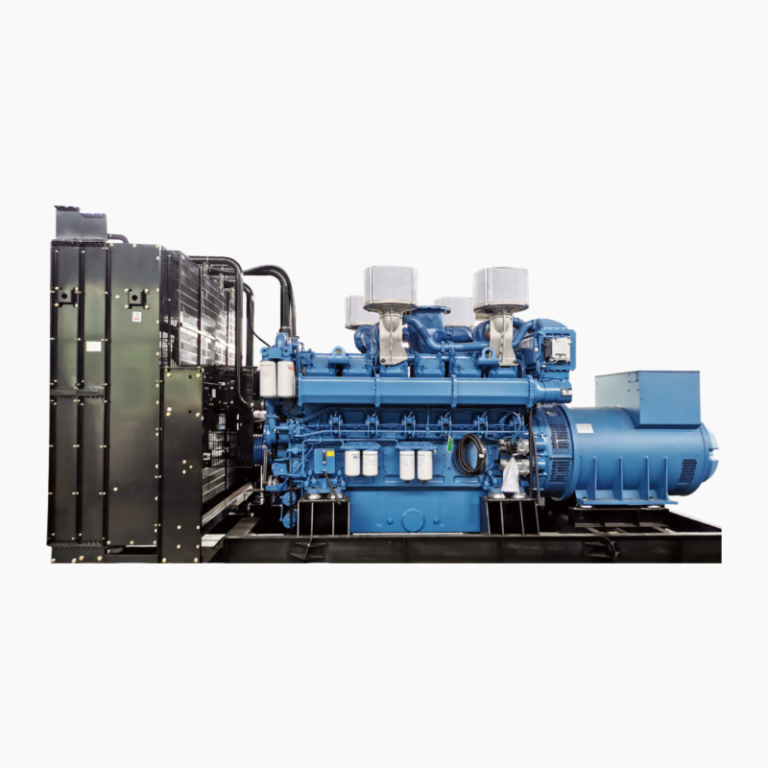
Use OEM parts where safety and warranty matter. A mismatched governor or aftermarket alternator component can change engine dynamics and create stress elsewhere. Maintain a small stock of consumables: filters, belts, and critical sensors. When deeper issues surface, lean on data from your logs and share it with the factory service team—this speeds troubleshooting. For units produced at larger facilities, engineers often have run-in and test data from the production line; pairing that with your field data narrows the root cause quickly. If you need sourcing or factory-level support, the Mtu genset factory link offers official specs and spare part references.
Operator-friendly upgrades and retrofit ideas
Consider smart monitoring to spot trends before alarms trip. Simple trending on oil pressure, coolant temp, and vibration often reveals an emerging problem a week earlier than thresholds do. Retrofitting remote telemetry is cost-effective for unattended sites. Also evaluate fuel-conditioning modules for sites with variable gas quality—the fuel system will thank you and so will your service budget. These upgrades pay for themselves through reduced emergency calls and longer component life.
Three golden rules to evaluate your maintenance strategy
1) Runtime-adjusted interval: Prioritize service by actual run hours and load factor, not calendar time alone. That single metric reduces unnecessary parts replacement while catching wear on active units.
2) Fault-to-fix turnaround: Measure elapsed time from fault occurrence to corrective action. Aim for a consistent, shrinking mean time to repair—this metric drives vendor and team performance.
3) Preventive test coverage: Track percentage of successful scheduled load tests and system exercises. Above 90% coverage means you’re exercising the governor, alternator, and full load path often enough to trust performance during demand events. These are the practical metrics that guide purchasing, staffing, and spare parts decisions—turn them into routine reports and decisions fall into place.
Field experience shows that consistent operator routines plus manufacturer-aligned parts and testing dramatically extend service life—so your next audit reads better and outages get rarer. Huadong Power fits naturally into that approach when you need factory-grade parts and clear specs for life-cycle planning. —
