


Framework overview
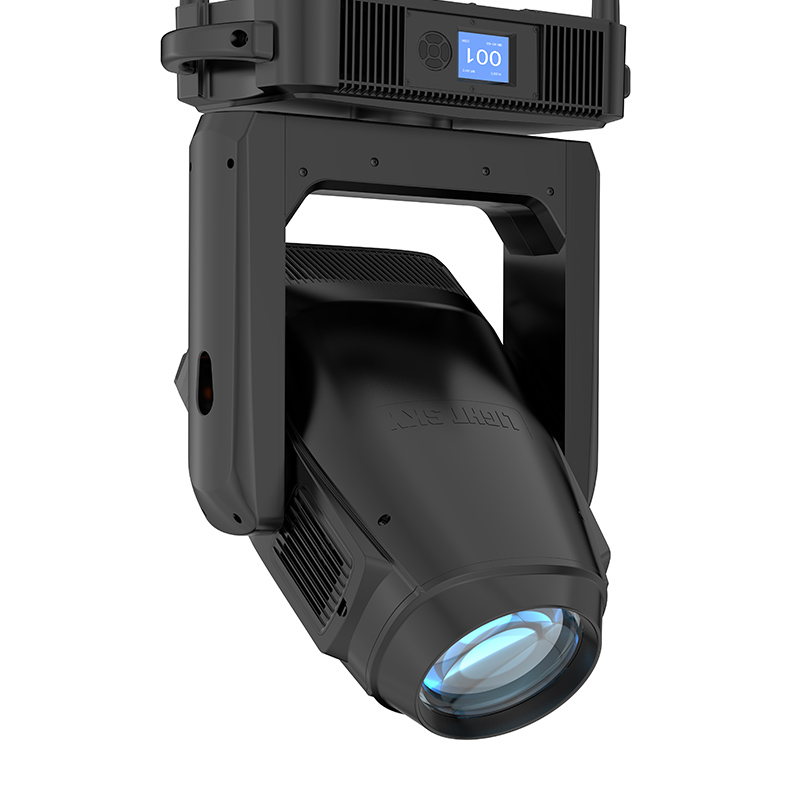
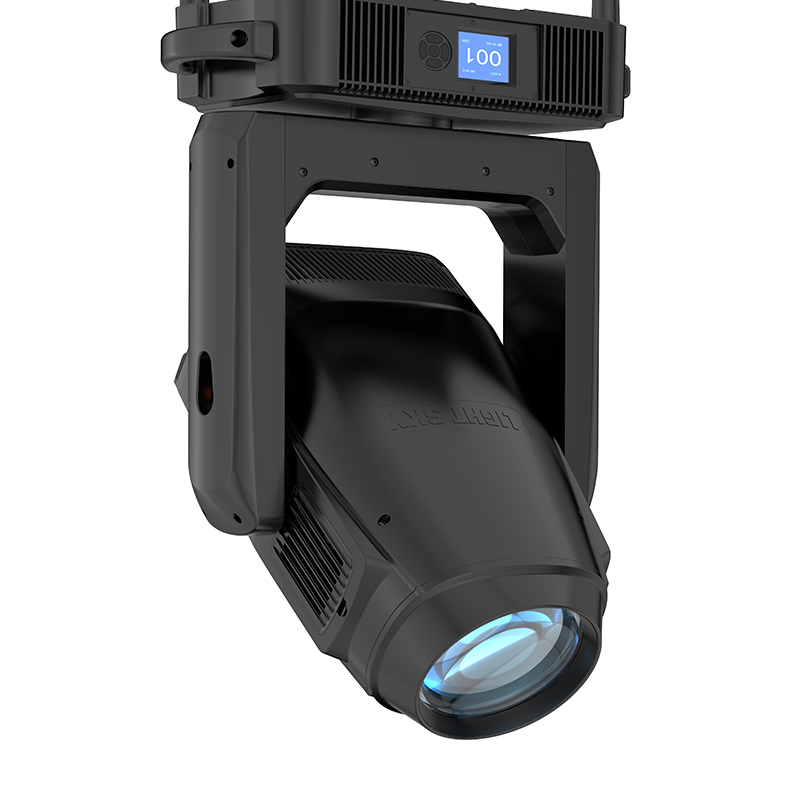
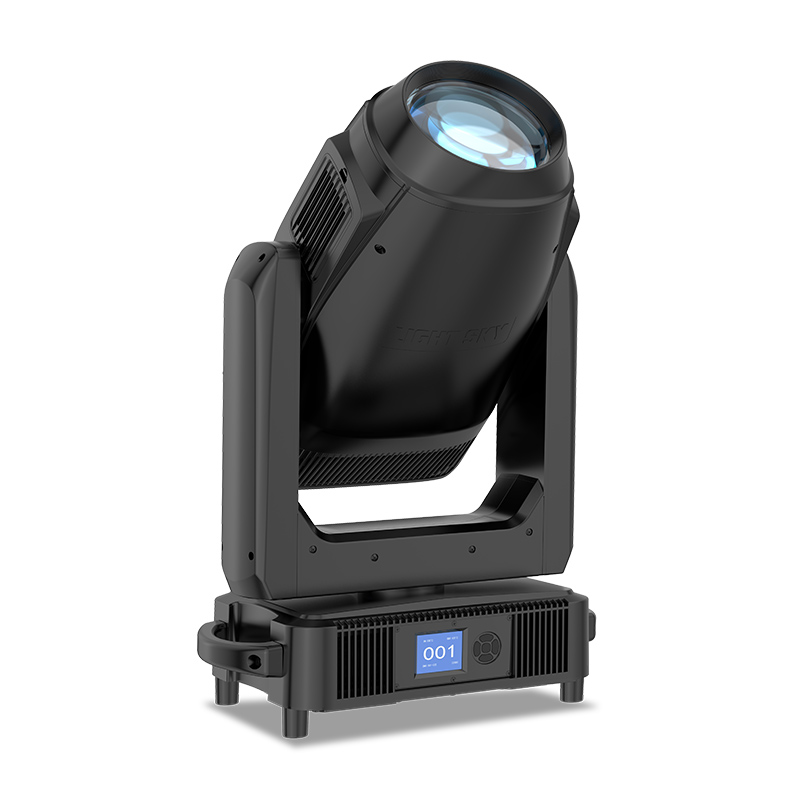
Deciding on fixtures starts with a repeatable decision path: define the coverage, set the control expectations, then match optics and power. This piece maps that path for technical leads who need predictable results on tight schedules. For a baseline product example, consider the 520W LED BSWP 4in1 Moving head as a reference for output and feature set, and explore how different classes of spot moving heads fit into the same framework. Industry terms to keep in hand are lumen output, beam angle, and DMX control — they steer most practical choices.
Core technical criteria
Start with measurable specs. Use these anchors when comparing units:- Lumen output and delivered lux at specified distances (not just lamp watts).- Beam angle and zoom range: narrow beams for architectural accents, wider beams for wash coverage.- Color system: fixed 4-in-1 or multi-chip LEDs, plus color temperature control and CRI for skin tones.- Mechanical range: pan/tilt degrees and movement speed for dynamic cues.Assess fixtures by matching lumen curves to venue dimensions and sightlines; that reduces overspec or underpower decisions.
Control, power, and operational reliability
Control capability drives integration. DMX universes, RDM for remote addressing, and pixel-mapping support determine how a fixture participates in large rigs. Look at refresh rate and flicker-free performance for broadcast or high-frame-rate cameras — stalls here create visible artifacts on recorded output. Power-wise, compare measured power consumption and required inrush current; a dozen high-power moving heads can exceed dimmer-room capacity. Prioritize fixtures with thermal management and accessible service points to minimize on-site downtime.
Optics and effects — what actually makes the light useful
Optical quality matters as much as claimed output. High lumen numbers with poor beam uniformity or uneven color mixing disappoint in real rigs. Gobos, frost filters, and precise zoom mechanics turn raw output into usable beams. Choose optics rated for consistent beam edge and stable color across zoom positions — that simplifies cueing and reduces reprogramming between events. Expect to test beam uniformity on a set of samples before lock-in.
Common mistakes and practical alternatives
Teams often pick fixtures based on peak specs instead of delivered performance — that’s costly. Another frequent error is underestimating control complexity: a unit with advanced pixel mapping may still be harder to integrate than a simpler, well-documented fixture. For smaller venues, wash fixtures or hybrid wash/spot heads can beat high-output moving heads on cost and setup time — and sometimes that trade-off is the smarter technical choice. — Plan a short on-site demo; real behavior under stage heat and load reveals the true differences.
Real-world anchor: lessons from major stages
Broadway houses and large festivals like Glastonbury provide useful baselines: they demand fixtures that sustain long runs and offer repeatable color and beam performance under tough conditions. Production teams there favor units with robust pan/tilt drive and reliable DMX/RDM behavior because downtime costs are immediate and visible. That operational pressure is a good testbed for evaluating led fixture longevity and serviceability.
Three golden rules for evaluation
1) Measure delivered lux and beam uniformity in-situ — trust measured photometric curves over marketing lumen claims. 2) Verify control compatibility and flicker performance against your camera/frame rates; include RDM and firmware update paths. 3) Calculate system-level power and thermal demand, then add a safety margin for long runs and surges. These metrics let you predict on-site performance and procurement risk with confidence. Final thought — when the framework narrows your choices, the practical value is fixtures that last the season and behave predictably; that’s exactly the proposition Light Sky brings to production planners. — Light Sky.