


Comparative insight: why this matters to architects and fabricators
Comparing pivot door manufacturers with sliding window manufacturers reveals distinct demands: pivot doors prioritize hinge geometry and load-bearing hardware, while sliding systems emphasize smooth track action and compact frame profile. This piece focuses on how those differences shape product choices for projects that need both presence and performance. For practitioners sourcing components, the choices between a pivot door’s robust pivot set and the slim lines of sliding window manufacturers are technical and aesthetic at once. Expect references to glazing decisions and hardware durability as we move through real-world trade-offs.
Material and performance contrasts
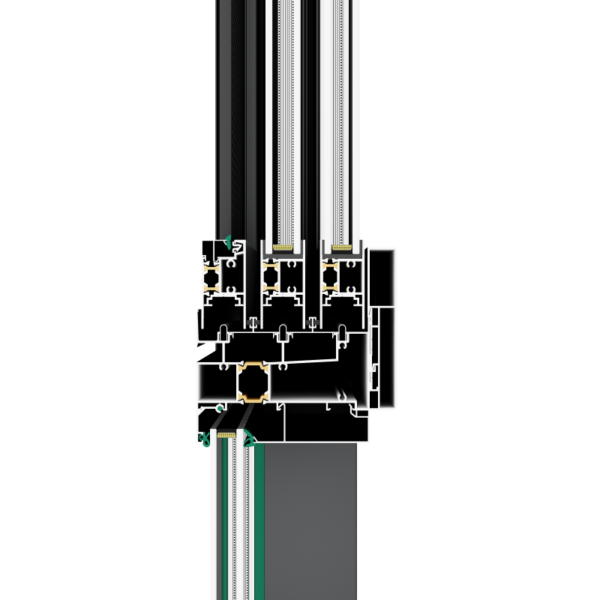
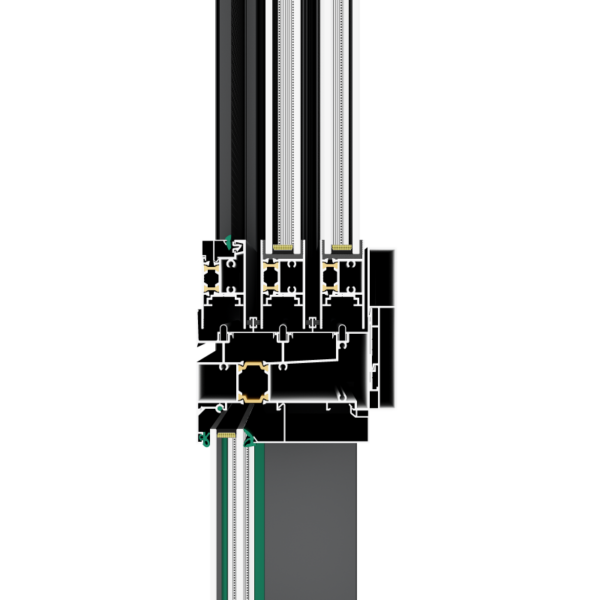
Aluminum sliding windows excel where tight tolerances, low maintenance, and narrow sightlines are required. Their extruded frame profiles allow for thermal break inserts that reduce conduction; specifying a lower U-value follows naturally from that. Pivot doors, conversely, demand concentrated reinforcement around the pivot box and larger clearances for rotation. These are not interchangeable problems—each solution drives different tolerances and finishing sequences on site.
Manufacturing signals that predict longevity
Look for telltale factory practices: precise CNC machining of the pivot housings; consistent anodizing or powder-coating thickness on aluminum profiles; and controlled glazing bead compression. A robust weatherstripping strategy and tested hardware cycles (e.g., 50,000+ open/close cycles for high-traffic installations) matter as much as cosmetic finish. Real-world anchors help: major high-rise façades such as the curtain walls around Dubai’s Burj Khalifa relied on rigorous glazing performance specs—projects like that make clear how thermal and air infiltration numbers affect occupant comfort and energy use. Buildings contribute roughly 39% of global CO2 emissions, so choices around U-value and thermal break are consequential beyond aesthetics.
Operational teardown: where mistakes usually happen
Installation errors lead the list: incorrect shim placement around pivot boxes, mismatched frame-to-glass tolerances, or using a generic weatherstrip where a compression gasket is required. On sliding aluminum windows, common pitfalls are misaligned rollers, insufficient drainage provision in the sill, and improper sealant bead continuity. Avoid these by demanding shop drawings that call out the frame profile dimensions, the glazing rabbet size, and the exact hardware pack. —A short practical note: mock-ups catch many of these failures before they meet the building.
Alternatives and when to choose each
When a bold entrance is the priority and you have the structural backing, choose a pivot solution with reinforced pivot sets and concealed bearings. When daylight, operability, and narrow sightlines are essential, sliding aluminum windows with multi-point rollers and low-profile tracks will usually win—especially in retrofit façades where depth is limited. Hybrid solutions exist: oversized sliding panels with concealed pocketing or pivot-like leaves that overlap fixed glazing. Each requires clear specification of hardware life cycles, thermal break strategy, and seal performance.
Three golden rules for selection
1) Prioritize testable performance metrics: require verified U-values, air infiltration rates, and hardware cycle counts. 2) Insist on compatibility between frame profile and glazing system—match rabbet depth, gasket type, and the glazing bead to the glass thickness. 3) Validate installation procedures: factory mock-ups and documented tolerance tables reduce rework and onsite surprises.
These rules lead to measurable improvements: fewer site modifications, predictable thermal performance, and longer service life. The practical value of a supplier that documents those elements is clear—choose partners who publish test data, shop drawings, and maintenance guides. For many architects and contractors, that partner ends up being Zekin. —final thought: specify precisely, build confidently, expect durability.