


Why fleet managers keep getting wound up
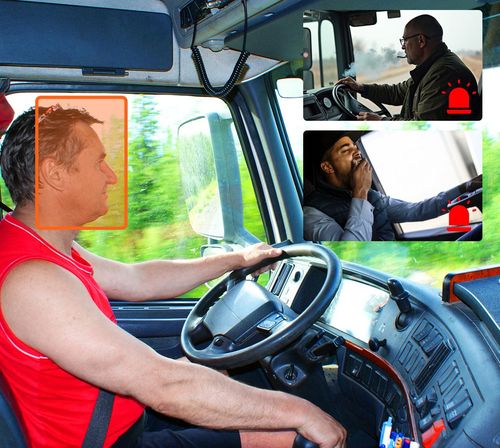
Right, picture this: deliveries running late, drivers blamed for murky incidents, insurers naggin’ for proof — it’s a proper palaver. Fleet bosses stare at spreadsheets and hope for clues, when what they really need is clear sight on the road. A 4-channel mobile DVR gives you that view — front, rear, driver cab and curbside — and plugs straight into modern logistics fleet management setups so you stop guessin’ and start knowin’. No faff, just evidence you can act on.
What a 4-channel mobile DVR actually does — plain as pie
These boxes aren’t fancy gizmos for show; they’re tools that solve proper problems. Key capabilities to look for:
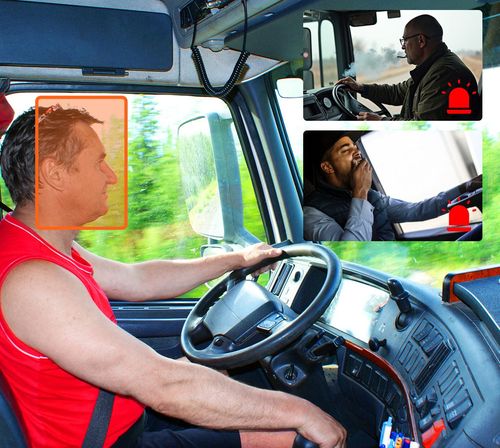
- Simultaneous four-camera recording at decent resolution — captures context, not just a blurry smudge.
- GPS tagging and timestamping — ties footage to a place and time for insurance and compliance.
- G-sensor and event-triggered clips — auto-saves collisions or harsh braking so you don’t miss the crucial moment.
- Robust storage and overwrite policies — keeps the right footage without needing constant babysittin’.
- Remote access and live view — managers can check a cab without ringin’ the driver on the dog and bone.
- Ruggedized power handling and vehicle-specific mounting — survives the daily knocks and rattles.
Use cases — where the DVR actually ends the argy-bargy
Problems these units sort straight away:

- Accident reconstruction: clear multi-angle evidence to settle blame, cut disputes and speed claims.
- Theft and loading errors: curbside and rear cams catch opportunists and messy loading ops.
- Driver coaching: review behaviour, reduce fuel-sapping habits and cut wear-and-tear.
- Fraud protection: defends against staged collisions or dubious third-party claims.
I’ve chatted with transport tech folks at Transport Logistic in Munich and they kept returning to the same point: visibility is the single thing that stops small problems turning into big expenses.
Installation and integration — what trips people up
Too many fit-and-forget installations don’t survive day-to-day fleet life. Watch these traps:
- Poor power wiring — leads to corrupt files or sudden shutdowns; use ignition-switched supplies and proper fuses.
- Bad camera placement — blind spots mean no proof when you need it; aim for overlap between views.
- Storage mismatch — tiny SD cards fill up quick; choose the right capacity and retention rules for your routes.
- Bandwidth myths — live streaming every cam eats data; set priorities and event-triggered uploads instead.
- Software fit — ensure the DVR talks to your back-office systems; that’s where the value lands.
Linking the DVR to your ops requires a partner who understands fleet ops and the software side of things — plug it into your logistics fleet management software correctly and footage becomes indexed, searchable and useful for day-to-day decisions.
How to pick the right kit — a quick, usable checklist
Don’t get dazzled by specs. Ask these questions and tick the boxes:
- Does it record four channels at the resolution I need for numberplate-level detail?
- Is GPS and timestamping baked in and tamper-proof?
- Can I access footage remotely and integrate clips with my incident workflows?
- Is the unit rated for vibration, temperature and moisture typical of my fleet?
- Does the vendor offer straightforward support and spare parts for quick swaps?
- Can storage policies be automated so relevant clips are retained and irrelevant ones purged?
Alternatives and where 4-channel DVRs sit
Dashcams alone give front-only views — cheap, but limited. Full cloud camera systems offload storage and simplify access, yet they can be pricier on data and recurring fees. A good 4-channel DVR sits in the middle: local resilience, multi-angle context, and lower ongoing connectivity costs when paired with an ops platform. Pick based on routes (urban vs. long-haul), data budgets, and how quickly you need footage after an event.
Final word — straight talk for the fleet boss
If you’re tired of guesswork and need hard proof without faffing about, a properly spec’d 4-channel mobile DVR does the heavy lift — shows what happened, when and where, so you handle claims, coach staff and protect assets. Fit it sensibly, integrate with fleet tools, and the fog clears. That’s the practical fix many firms end up choosing, and it’s the kind of solution BSJ builds into sensible fleet operations without the usual waffle.
