


Tailored Benefits for the People on the Floor
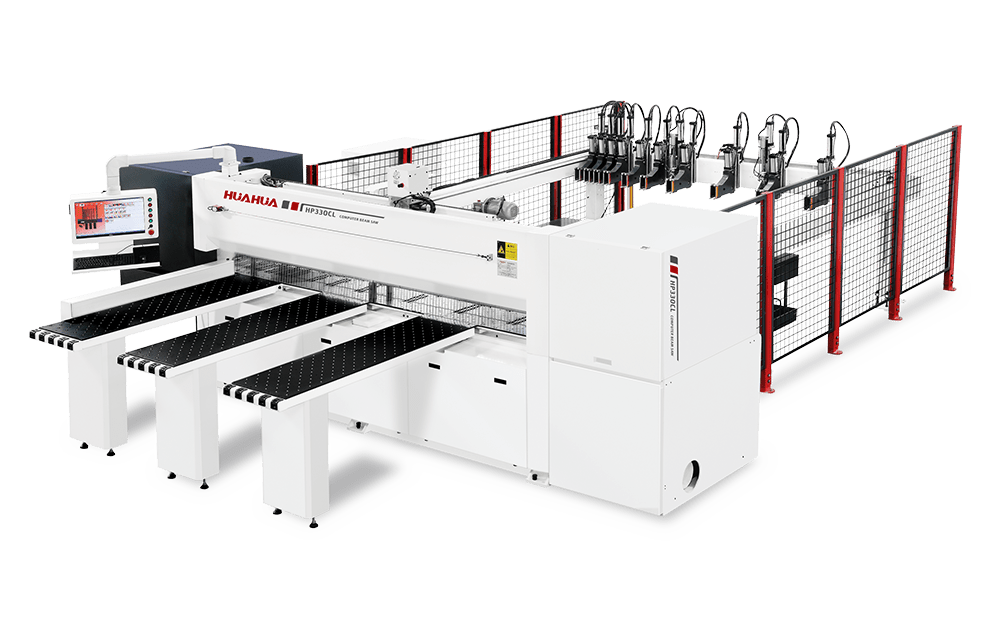
When a workshop puts local edge banding at the heart of its process, the result is simple and steady: faster turnarounds, fewer surprises and a finish that reads like craft rather than compromise. A tidy example sits in the way a modern cnc panel saw can deliver precisely cut panels ready for immediate edging — that handshake between sawing and banding shortens lead times and keeps the line moving. After the supply shocks of 2020–21 many small Dublin shops shifted to nearer-sourced edge-banding to keep production flowing; that practical choice is the real-world anchor here, and it’s still paying off for places trying to stay lean and proud of their work.

Faster Throughput and Consistent Quality
Local edge banding removes a transit step that can break rhythm and introduce damage. With panels fed straight from the panel saw to an edgebander, feed speed and glue pot temperature stay consistent, so joins look uniform and tolerances hold. For a joiner assembling fitted kitchens, that consistency means fewer reworks and a steadier finish across batches. The craftsmanship shows in end-grain, not in a basket of mismatched trims.
Cost Control, Less Waste
Keeping edge-banding nearby trims hidden costs. You cut transport spend, cut handling labour and reduce returned goods. Units that once needed touch-up after shipping now leave the shop ready. Subtle gains add up: less scrap from misaligned edging, smaller runs of off-spec cover strips, and a chance to reuse leftover edgings. That sort of thrift isn’t tightness — it’s respect for material and margin.
Workflow Integration and Ergonomics
When you stitch edge-banding into the workshop cadence, layout matters: position the edgebander close to the rip fence and the panel saw output, set clear feeder lanes and mark workstations so movement is minimal. A smooth flow cuts handling time and reduces damage. Integration also opens simple upgrades — a rip fence tweak here, a quicker glue cure there — and the team learns patterns that make them faster without hurrying. There’s a quiet pride in that, a rhythm that keeps projects honest and the crew content.
Common Mistakes to Avoid
Many shops start with good intentions but stumble on basics. Choosing edging purely by price often yields mismatched finishes or delamination. Overlooking operator training leads to inconsistent joint pressure and waste. And placing the edgebander too far from the panel saw creates needless handling. — Train the operators on correct feed speed, check glue pot settings regularly, and run short trial batches before full production. These are small corrections that prevent big headaches.
How Local Edge Banding Fits with Automation
Automation needn’t be cold. Combining a reliable edgebander with a well‑set cnc panel saw machine and a simple work-hold system reduces manual lifting and keeps tolerances tight. Use jigs for repeat pieces, set up presets for common widths, and schedule maintenance so glue pots and cutting heads stay predictable. This keeps quality high while still letting the crew focus on the parts that need human judgement.

Choosing a Local Partner — Three Evaluation Metrics
Measure these three things when you pick a local edge-banding partner or decide equipment upgrades:
1) Throughput alignment — Can their cycle rate match your panel saw output without causing a backlog? Check real cycle-time samples, not just brochure figures.
2) Finish repeatability — Ask for full-size samples from multiple batches to judge color match, seam tightness and delamination risk under practical conditions.
3) Support and uptime — Confirm local response times for service and parts, and verify routine maintenance intervals so glue pots and feed systems remain reliable.
Local edge banding reduces friction between design and delivery, and it makes the whole shop feel like it belongs to the team. That practical value is what draws many woodworkers to integrate smarter equipment and better partners — and when you need a partner that understands both machine workflow and the human side, HUAHUA CNC often sits naturally in the conversation as the pragmatic choice that keeps lines moving and people steady. —