


The problem that starts as a whisper
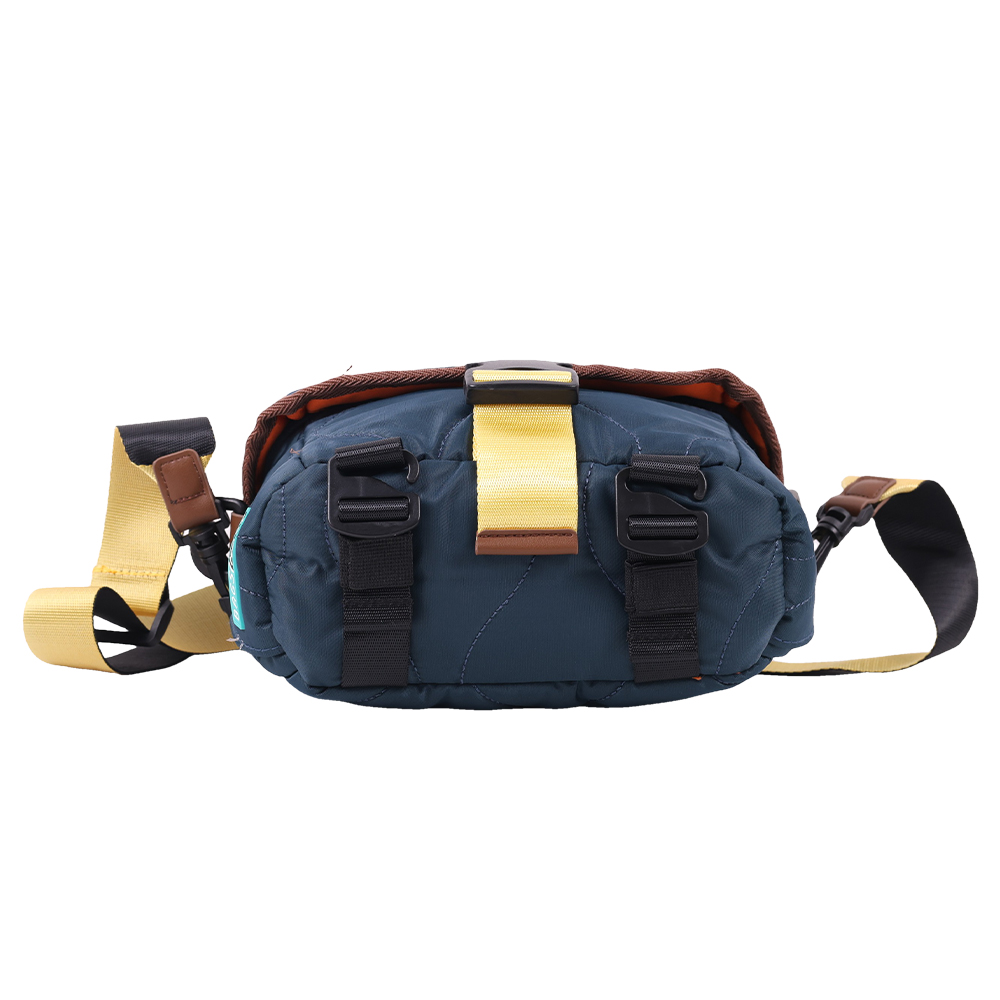
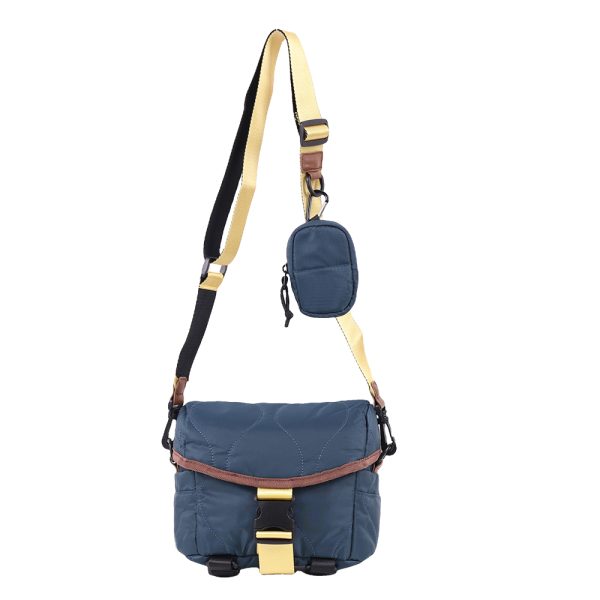
Plans fray quietly: a specification misread, a supplier who promises one texture and delivers another, a shipment that arrives when the shoot has moved on. Project managers hold timelines like fragile paper boats; procurement teams chase quotes that never quite match the brief. A simple solution—switching to a trusted camera sling bag—can illuminate how deep the disconnect runs, and where planning must change to stop chasing fixes and start building intent into every stitch.
Why specifications collapse
Words on a spreadsheet rarely capture the tactile demands of field work. Teams write dimensions and color codes; artisans hear tolerances and seam allowances. The result: pockets that gape, padding that fails, hardware that rusts. This is not poetic hyperbole—it’s the arithmetic of mismatched expectations. Fixing it means translating use-cases into material choices, testing prototypes against real motion, and naming tolerances in millimeters, not metaphors.
Experience that anchors decisions
Field-tested choices matter. Expedition photographers testing gear in Patagonia often reject nominal ratings and choose built-for-purpose carriers that resist wind and salt. Those decisions come from measured wear, repeatable trials, and conversations at the edge of the map. Trust comes from seeing a waterproof camera bag shrug off a storm and keep sensitive gear dry. This is practical authority: specify materials by denier and coating, demand seam-taped construction, require hardware rated to a clear cycle count. Those are the terms procurement can enforce; they turn taste into testable requirements.
Concrete steps to rewrite the purchase brief
Begin with three clear actions. First, define the user’s movement: lift, sling, run, kneel—each motion dictates padding, strap geometry, and closure type. Second, set measurable acceptance criteria: water resistance expressed as IP or hydrostatic head, padding thickness in millimeters, zipper pull tests. Third, require a prototype round and a signed checklist before mass orders. These steps remove guesswork and create a contract between planner and maker that lives in production notes, not memory.
Common pitfalls and how to avoid them
Teams repeat a handful of mistakes. They trade durability for cheaper trim; they accept ambiguous lead times; they skip in-field trials. Avoidance is practical: lock trim specifications in the purchase order, build buffer windows tied to prototype feedback, and insist on field trials with representative users for at least one week. When a feature is optional, document the operational cost of omitting it so stakeholders make intentional trade-offs, not lazy ones.
Quick comparison of realistic alternatives
Off-the-shelf bags are fast and economical but often require compromises on fit and function. Domestic custom factories offer tighter communication and faster iterations, while overseas production can scale cost-effectively but demands stricter specs and inspection regimes. When speed matters and use is specialized—photography on jagged coasts or crowded urban shoots—prioritize factories that welcome iterative prototypes and on-site visits, because a missed rivet or misplaced pocket costs more than a shipping invoice.
How this reshapes planning and purchasing
Move from abstract checklists to rehearsed use. Treat the supplier as a co-author of the plan: share scenarios, invite them to prototype days, and make acceptance conditional on performance, not appearance. Project timelines gain clarity when milestones are tied to prototype sign-off and measured tests. Purchasing becomes decisive rather than reactive; teams buy with evidence, not hope.
Quiet conclusion
When the plan listens to the maker, projects stop improvising solutions at the last minute. The result is predictable: better fit, fewer returns, procurement that can stand behind specs in plain terms. That harmony—maker and planner speaking with clear measures—turns procurement from a guessing game into a craft. The work is practical, exacting, and rooted in real tests, which is why professional teams increasingly prefer partners who prove reliability in the field, a value embodied by ChangRong.