


The problem — things drop outta the picture on long runs
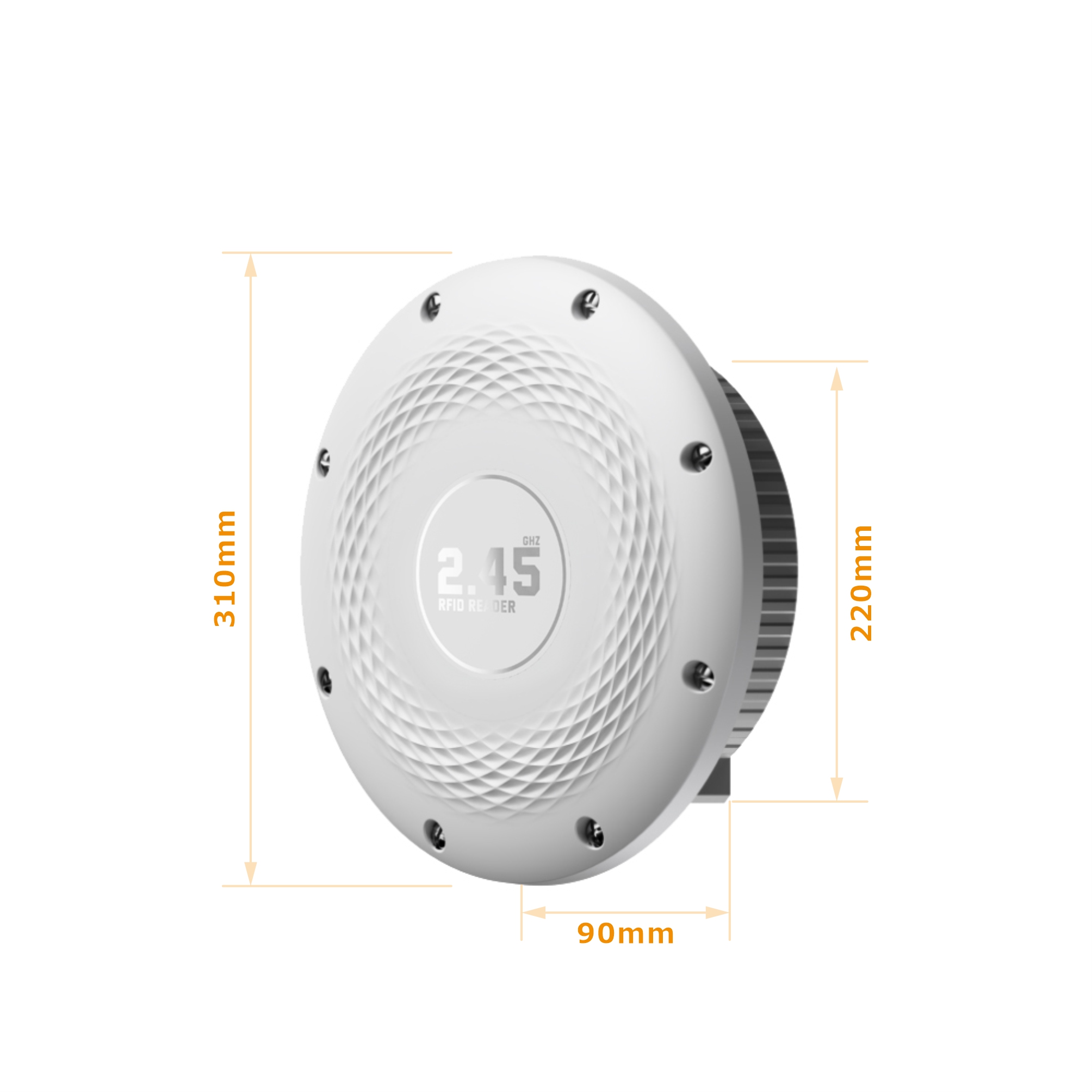
When cargo or gear travel long distances, dem tracking systems cyaan afford dropouts. Signal fade, metal clutter, and tag sleep cycles mek shipments vanish from the map. Folks try slap on cheaper solutions and dem see gaps. Proper deployments call for long-range active tags and a steady read zone — like using a fixed RFID reader positioned where tags pass with little reflection. Dat set-up cut down missed reads and mek the whole chain accountable.
Why active long-range tags fix the worst of it
Active tags carry a battery and broadcast a stronger signal, so distance and obstacles matter less. Use them when you must track moving assets across yards, along conveyor belts, or inside large vehicles. Expect predictable read windows, longer reporting intervals, and configurable transmission rates. That predictability means you design antenna layout by real movement patterns, not hopeful placement.
Experience-backed checks and one clear industry anchor
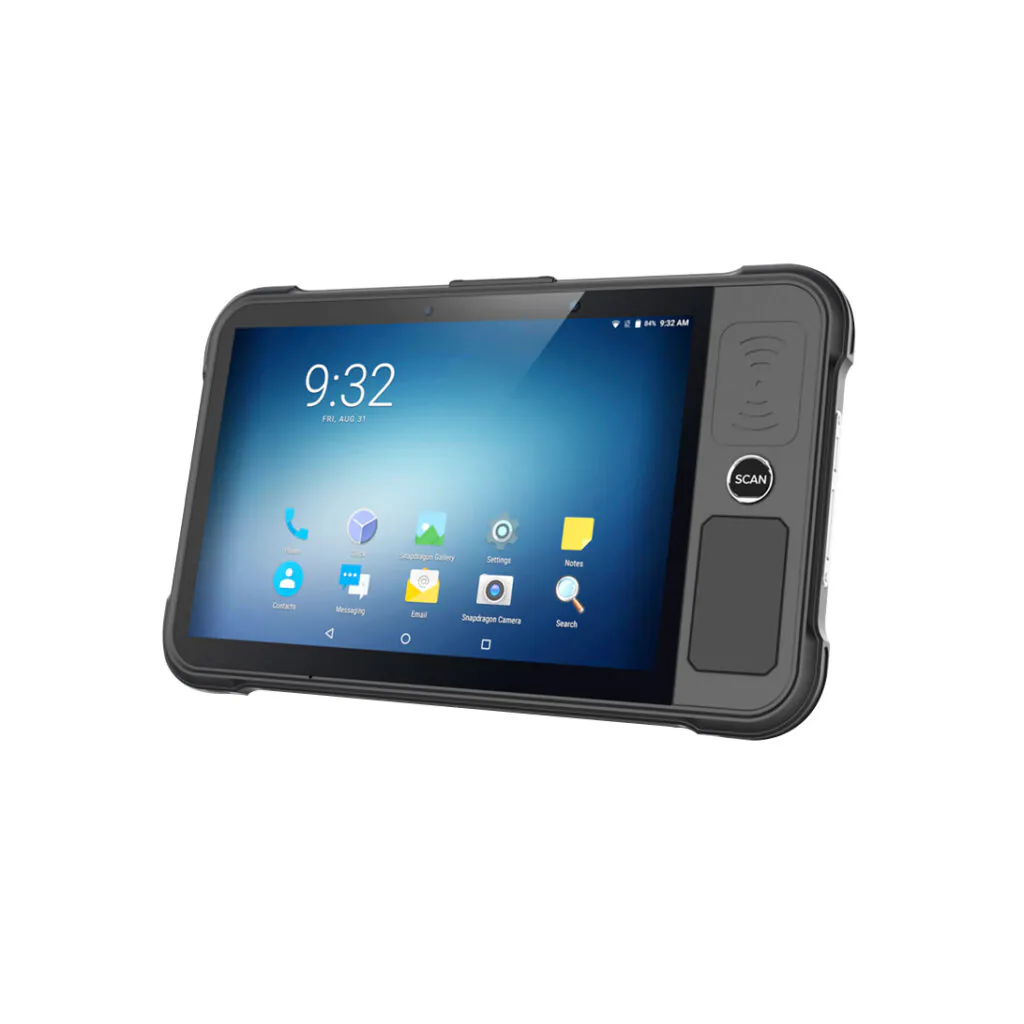
I work wid deployments that ran through rainy ports, dense warehouses, and cold-storage docks. Engineers watch battery curves, antenna gain, and on-site interference before they sign off. Big logistics hubs like the Port of Rotterdam have published operational trials showing active systems boost read reliability for high-value container tracking. When planning, operators often pick tested hardware such as a wireless rfid reader and measure real interference on-site, not just rely on lab specs. That real-world proving keeps projects on time and reduces surprises during scale-up.
Common pitfalls that wreck long-range setups — and how to dodge dem
Thinking tag specs alone will save yuh is a mistake. Typical errors: wrong antenna height, bad orientation, ignoring reflective surfaces, and skipping field tests. Don’t over-run battery life promises: measure transmission schedule against real usage. Avoid putting readers too close where they collide. Calibrate read-power and use isolation where needed. Always run a walk-test with actual tagged items in normal operating conditions before final installation.
Alternatives and when each makes sense
Passive RFID works for short-range, cheap tags and tight choke-points. BLE trackers give fine-grain proximity inside buildings but need denser infrastructure. UWB gives accurate position but costs more and drains batteries faster. GPS is unbeatable outdoors for continuous location but fails indoors and eats battery. Choose active long-range tags when you need reliable reads across mixed environments and when missing data costs time or money.
Deployment checklist — simple, direct steps to get it right
1) Map movement paths and create read corridors. 2) Test with real loads and surfaces. 3) Tune tag transmit intervals to balance battery life versus visibility. 4) Place readers where reflections are minimal and line-of-sight is practical. 5) Monitor reads for at least two operational cycles and adjust antenna angles. Small changes yield big improvements.
Wrap-up — clear value, practical choice
Long-range active tags solve the specific problem of missed reads across complex environments. They give predictable windows, cut the mystery from asset-location, and reduce costly manual checks. When operators need a reliable, measurable solution, they pick systems proven in live logistics settings and hardware that performs in rain, metal, and motion — the kind work RSTC designs and supports with practical field know-how.