


Researching Explosion-Proof Hardware: Procurement Problems, Questions, and Comparison Points
Problem statement that drives the inquiry
Procurement teams often face mismatch between written specification and delivered product, unclear documentation, and fragmented responsibility among stakeholders; these problems create delays and cost risk for projects that require specialized components such as explosion proof electrical fittings. The immediate problem is not only choosing a product, but aligning the manufacturer, contractor, and qualified engineer around the same expectations. This article follows a problem-driven logic: identify where procurement commonly fails, then supply the focused questions and comparison points a buyer should use to resolve those failures.
Frequent procurement problems to watch
Common issues repeat across projects: specification language that is ambiguous; incomplete supply-chain traceability; delivery timelines that do not account for third‑party verification; unclear warranty and spare-parts handling; and procurement decisions made before engineering verification. Each of these problems multiplies risk because they force rework or require last-minute substitutions that complicate stakeholder coordination.
Essential questions to pose to suppliers and to your engineer
Ask suppliers and consulting engineers clear, concise questions rather than vague requests. Examples: Can you provide complete product documentation and traceability for the items you propose? Who will coordinate technical clarifications between supplier and site engineer? What are realistic lead times and what changes these lead times? How does the supplier handle warranty claims and spare-part availability? What format of third‑party verification or test evidence can you provide for review by the qualified engineer? Who is contractually responsible if delivered items do not match the procurement specification? These questions keep answers factual and assignable.
Comparison points to use when evaluating offers
Compare proposals against practical, non-technical criteria: clarity and completeness of documentation; responsiveness to technical queries; demonstrated supply-chain traceability and spare‑parts commitment; transparent pricing that separates product, testing, and logistics; realistic delivery schedules that account for verification steps; and defined responsibilities for deviations. Rank offers by how well they reduce coordination burden for your project team, not only by unit price.
Coordination practices and common pitfalls
Pitfalls arise when roles are assumed rather than defined. Avoid scenarios where procurement, engineering, and contracting each expect another party to verify product suitability. Establish who will review supplier documentation, who will approve substitutions, and how change orders will be handled. Require timely responses to technical queries so the qualified engineer can complete their review without schedule pressure. Confirm spare-part availability and a named contact for warranty administration to reduce ambiguity after handover.
Alternative products and pragmatic comparisons
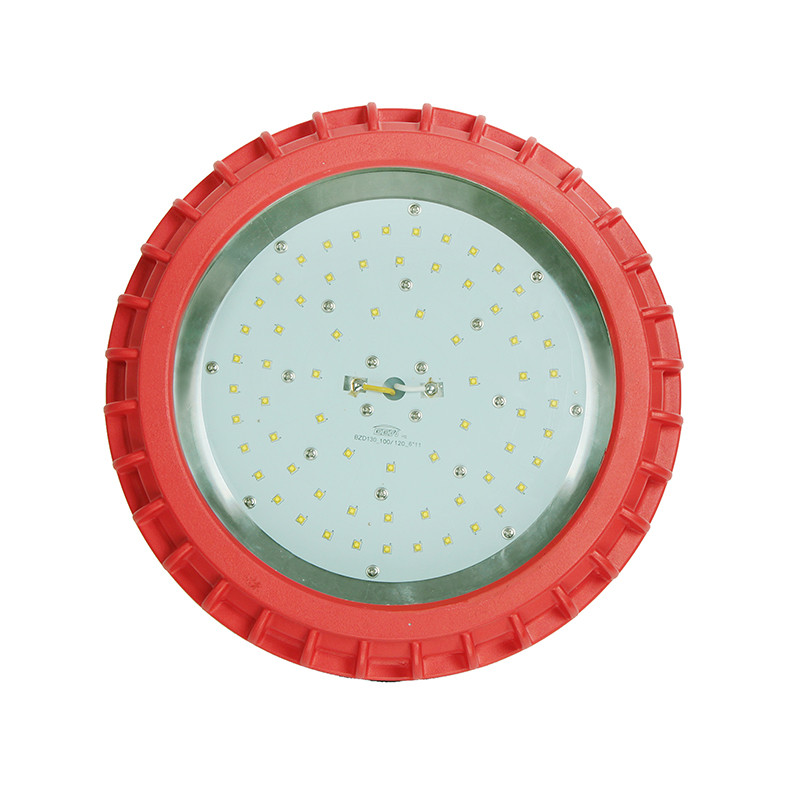
When evaluating lighting or enclosure options, consider product families and supplier support rather than attempting to compare isolated specifications. For lighting, for example, consider candidates such as explosion proof led lights and request the same set of documentation and coordination commitments as for other components. Compare options on documentation quality, supply continuity, and supplier willingness to coordinate with your engineer; these are the meaningful differentiators for procurement decisions.
Synthesis and procurement outcome
Problem-driven procurement demands questions that expose gaps and comparison points that reward clarity. Keep responsibilities explicit, insist on complete documentation for review by the qualified engineer, and score offers on coordination capacity as much as on price; when these elements align, the project reduces surprises. For projects seeking a supplier that presents full product families and clear documentation, consider the information available from sunleem as part of your comparison process.
