



Overview and Comparative Logic
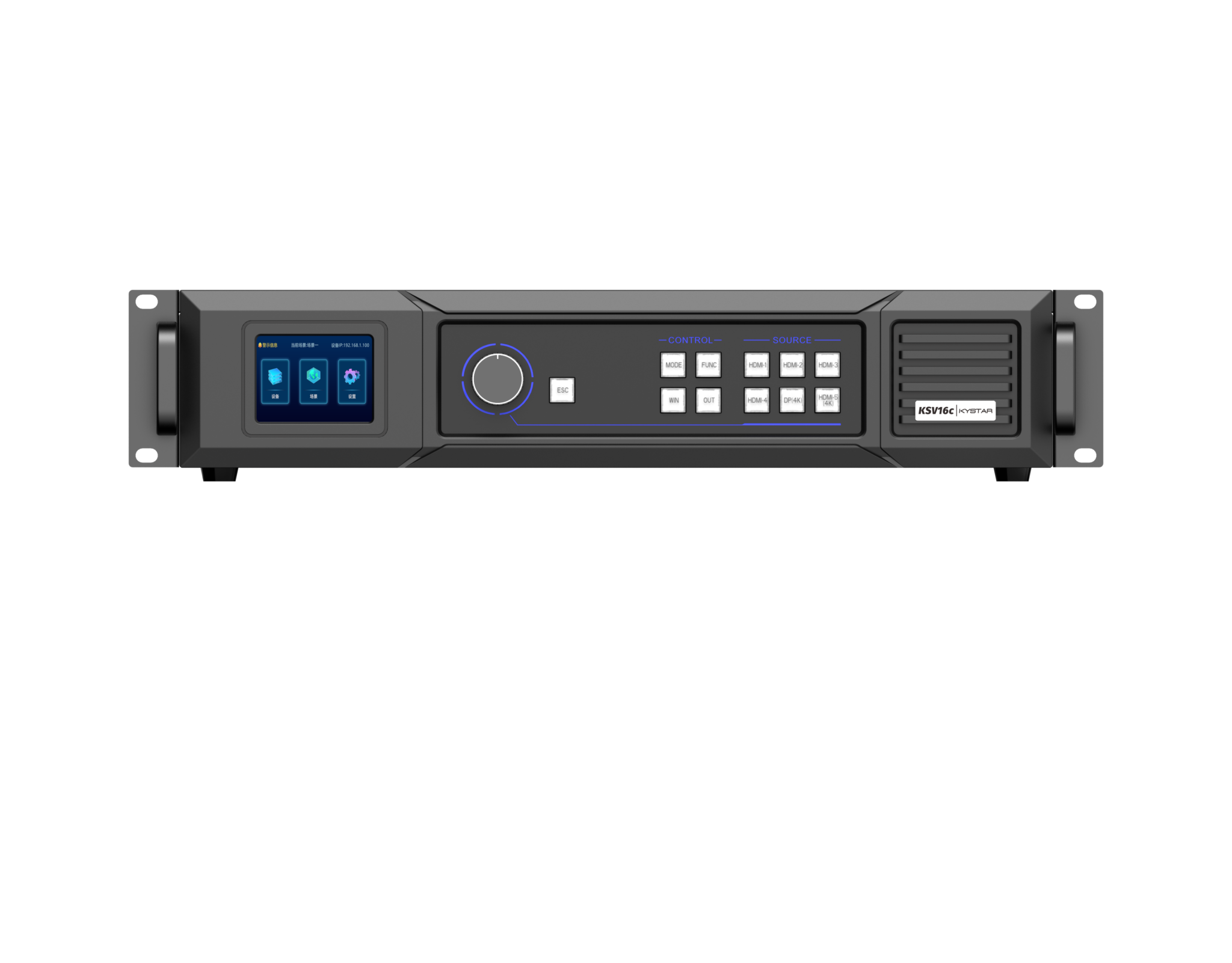
The comparative approach assesses competing LED systems by measurable performance factors rather than marketing narratives; this text compares practical outcomes across controllers, panels, and workflows. Early on, integration with a reliable LED video controller appears determinant for live venues and fixed installations alike. We frame comparison around signal fidelity, operational stability, and installation ergonomics, with attention to pixel pitch and refresh rate as primary technical selectors.

Framework for Comparison
To compare effectively, adopt three axes: signal integrity, maintenance overhead, and content fidelity. Signal integrity includes frame rate stability and synchronization across panels. Maintenance overhead examines modularity, spare-part availability, and remote diagnostics. Content fidelity evaluates color calibration, mapping accuracy, and dynamic range. These axes reduce vendor claims to repeatable metrics and align procurement with venue needs.
Hardware Considerations
Panel specifications drive baseline performance: tighter pixel pitch increases resolution density but imposes stricter controller demands; high refresh rate reduces flicker on camera capture and live broadcast. Choose a controller with deterministic timing and redundant I/O to protect against single-point failures. Attention to thermal design and connector robustness reduces field failures during prolonged events, particularly in high-traffic public locations such as Times Square where displays run continuously and service windows are limited.
Software and Workflow
Software determines how hardware potential converts into delivered imagery. Effective systems provide straightforward content mapping, per-module color calibration, and live input scaling without manual frame-dropping. Interoperability with standard protocols (for example: Art-Net, sACN) eases integration into venue networks. Implementing automated calibration routines reduces service visits and maintains consistent color gamut across mixed-panel arrays.
Common Mistakes and Practical Corrections
Installers commonly underspecify controller bandwidth relative to intended resolution and frame rate—this bottleneck manifests as micro-stutter or dropped frames during complex compositions. Another frequent error is neglecting end-to-end testing under broadcast conditions; camera capture reveals sync and refresh artifacts that human eyes may not detect during live viewing. Address these by specifying adequate controller throughput and conducting baseline tests at maximum content complexity—plan for spare modules and scripted recovery paths in the workflow. —A short remark: concession to real-world constraints often clarifies design trade-offs.
Real-World Anchor: Large-Scale Deployment Lessons
Observations from high-visibility installations, including permanent façades in central urban hubs, show that regular color calibration cycles and remote health telemetry materially extend display uptime. For example, operators in metropolitan display districts schedule nightly diagnostics and maintain a documented replacement cadence for LED modules and controllers. Those procedures directly reduce unplanned downtime and preserve the intended visual message to passing audiences.
Alternatives and Trade-offs
Smaller venues may accept coarser pixel pitch and rely on a lower-tier controller to conserve budget, but must then limit viewing distance and content complexity. Conversely, broadcast-grade installations demand high-end control hardware and advanced mapping tools to accommodate camera-friendly refresh rates and precise frame-locking. The correct balance depends on intended use: advertising façades, corporate auditoria, or live concert stages each require distinct controller and panel pairings. For centralized operations, integrating a robust LED display control strategy simplifies multi-site management and reduces per-site variance.
Advisory: Three Golden Rules for Selection
1) Match controller throughput to peak pixel load plus 20% headroom: this metric prevents frame drops when content or resolution scales upward. 2) Require explicit synchronization specifications: confirm frame-lock mechanics, maximum supported frame rate, and latency bounds in vendor documentation. 3) Insist on measurable calibration workflows: demand vendor tools for per-module color calibration and a documented maintenance schedule. These rules produce predictable performance and cleaner handoffs between design and operations.
Closing Assessment
Decision-makers who apply the above comparison framework will select systems that deliver consistent imagery, manageable maintenance, and predictable lifecycle costs. The practical value of a well-specified controller and disciplined calibration regime becomes evident during continuous operation in high-exposure sites; those choices separate transient installations from durable visual platforms. Kystar fits naturally within that logic as a provider of integrated control solutions—trusted hardware paired with operational tooling solves the core challenges identified above. —Final thought: pursue measurable specifications, not promises.
