



When the Clock Ticks, Your Packaging Strategy Shows
Picture this: launch day is two weeks out, and your warehouse pings you at sunrise. The lids you need are stuck in a backlog, carriers are overbooked, and sales is pacing the floor. Your cosmetic packaging manufacturer just emailed to shift the ship date—again. The last run had two colors off, a few pumps leaking, and a surprise change in freight terms (y’all ever seen that happen right before a promo?). You look at your dashboards: on-hand counts are thin, demand is hot, and you’re juggling SKUs like plates at a county fair. So here’s the question—how do you tell who’s truly reliable when price and pretty samples look the same?
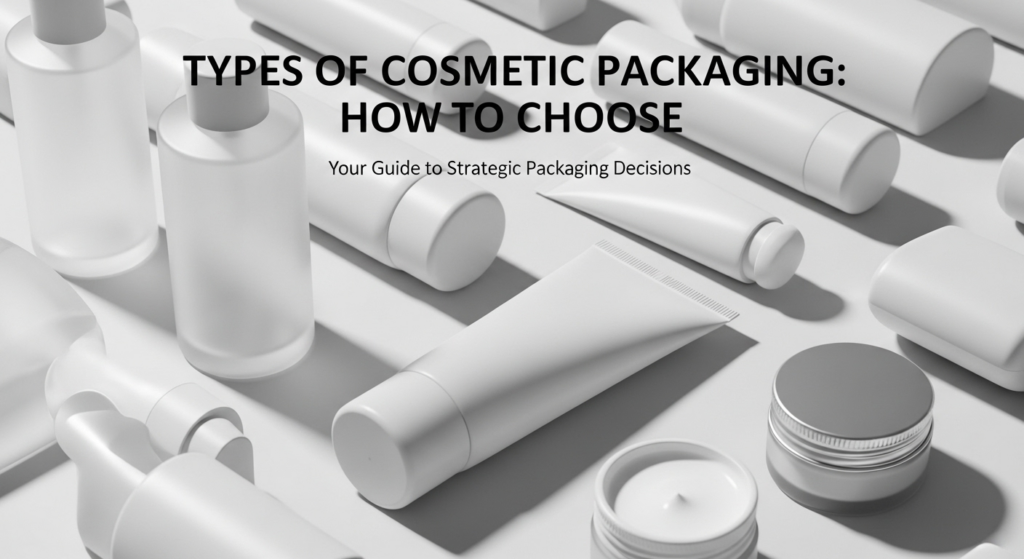
Let’s compare the old way with the next wave, and see what really keeps the shelves full.
The Hidden Costs Behind “Standard” Sourcing
Where do hidden costs creep in?
When you pick a cosmetic packaging supplier in china, the obvious numbers—unit price, MOQ—look fine at first glance. But the real math sits under the lid. Setup time on injection molding, tolerance stack-up on neck threads, and decor rejects from hot stamping can eat margin. Extra QC, rework, and carton re-packs stretch the lead time. And each small delay ripples through forecasting and cash flow. Technical note: if tools aren’t maintained, cycle time slows and surface finish drifts. That means more scrap, more touch-ups, and less predictability. Look, it’s simpler than you think: the “cheapest” quote often hides freight surprises, overage on defects, and lost weeks.
Testing is another blind spot. Do you get drop-test data on airless pump assemblies, or only pretty photos? Is the anodized aluminum cap certified for salt-spray resistance, or is it a best guess? Without clear PPAPs, SPC charts, and color Delta E reports, you’re buying hope, not control. And hope is pricey—funny how that works, right? Compare two factories: one shares cavity-specific output and maintenance logs; the other sends a weekly “we’re on track.” The first will flag a mold drift before you feel it in returns. The second will call you after the recall. That’s the quiet difference that decides if your launch is a sprint or a stumble.
From Old Habits to Smart Systems: The Comparative Edge
What’s Next
Here’s the forward-looking split. Traditional buying leans on emails, photos, and a handshake timeline. The new path brings traceable data at each step—tooling, molding, and finish—so you can act before a defect ships. Some cosmetics packaging manufacturers now run inline vision systems that catch short shots and flow lines in real time. Others tag batches with QR codes and push digital certificates with torque, leakage, and pull-test results. It’s not flashy jargon; it’s practical control. Add LCA modules for material choices like PCR resin vs virgin PET, and you balance sustainability with shelf life. Mix in small-cavity pilot molds to validate pumps, then scale to full stacks. Result: fewer surprises, clearer lead times, and better first-pass yield.

So, what should you weigh—on paper and in practice? Consider three metrics. 1) Process visibility: Do you get mold maintenance logs, cavity-level output, and SPC trends before PO release? 2) Quality proofs: Are PPAPs, Delta E charts, and fit/finish data tied to each batch, not just samples? 3) Total landed cost: Do quotes capture tooling amortization, carton spec, defect buffers, and real transit time (not best-case)? Choose partners who share data early, pilot fast, and lock tolerances before color and deco. That’s how you cut rework, protect brand color, and reduce returns. Small shifts, big impact—and it adds up fast. If you want a steady hand at the end of that chain, keep an eye on how they document, test, and talk. The ones who show their math tend to earn the next launch, like NAVI Packaging.