


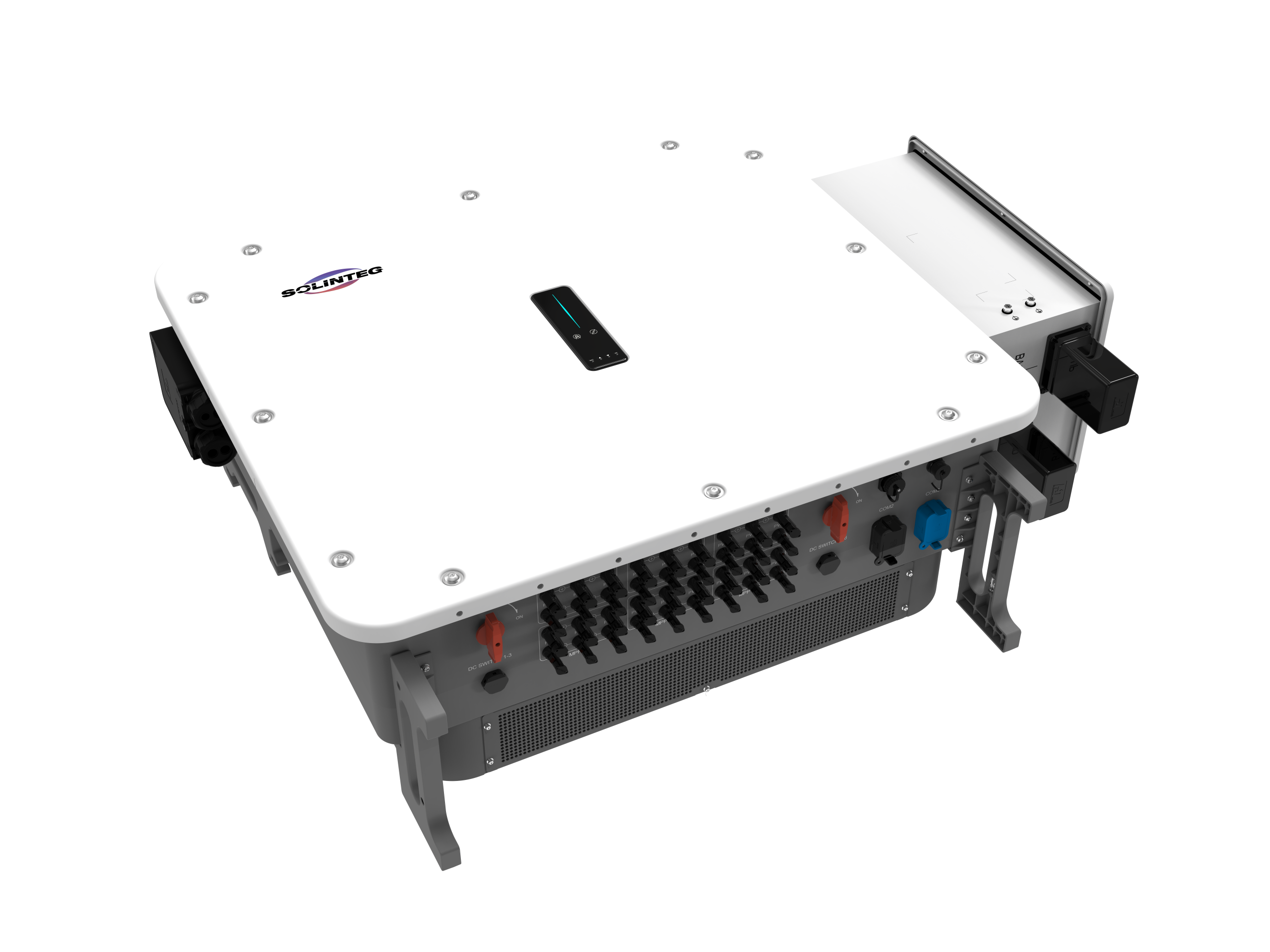
User-first rundown: Why this matters
Yo, if you run panels and stash energy, you wanna keep that power bank healthy — no drama, just steady uptime. This guide drops straight, user-first moves to make your solar battery backup last longer and perform cleaner day-to-day. Think practical checks, not fluff: depth of discharge, state of charge (SoC), and proper float charging — those terms matter when you talk lifespan and cycle life.
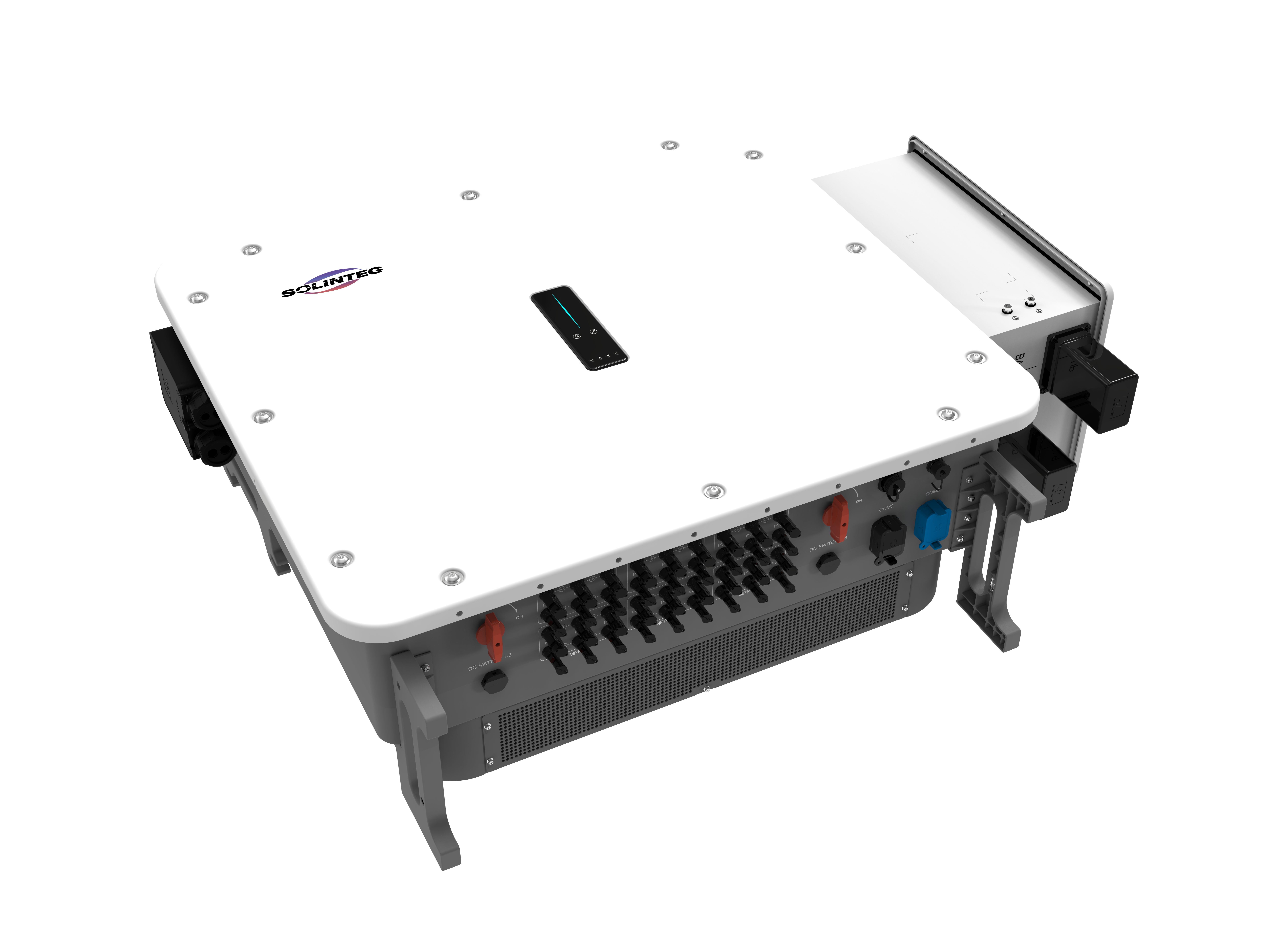
Daily habits that actually help
Start simple: monitor SoC and keep it in the sweet spot most of the time — not full blast, not empty. For lead-acid setups, topping off with a correct float charging profile keeps sulfation down. Keep terminals clean and torque tight; corrosion eats performance like termites. Small routine moves beat big repairs every time. And peep your battery management system (BMS) logs often — they tell the truth about how the bank’s been treated.
Seasonal care and real-world anchor
After Hurricane Maria in Puerto Rico in 2017, crews learned quick that well-maintained battery banks kept lights on longer for whole neighborhoods. That’s real: location and season change the game. In hot climates, raise ventilation and shade the battery housing to cut thermal stress; heat shortens cycle life fast. In cold snaps, keep units insulated so electrolyte temps don’t drop and reduce capacity. Equalization charging once in a while helps even out cells — just follow manufacturer specs to avoid overdoing it.
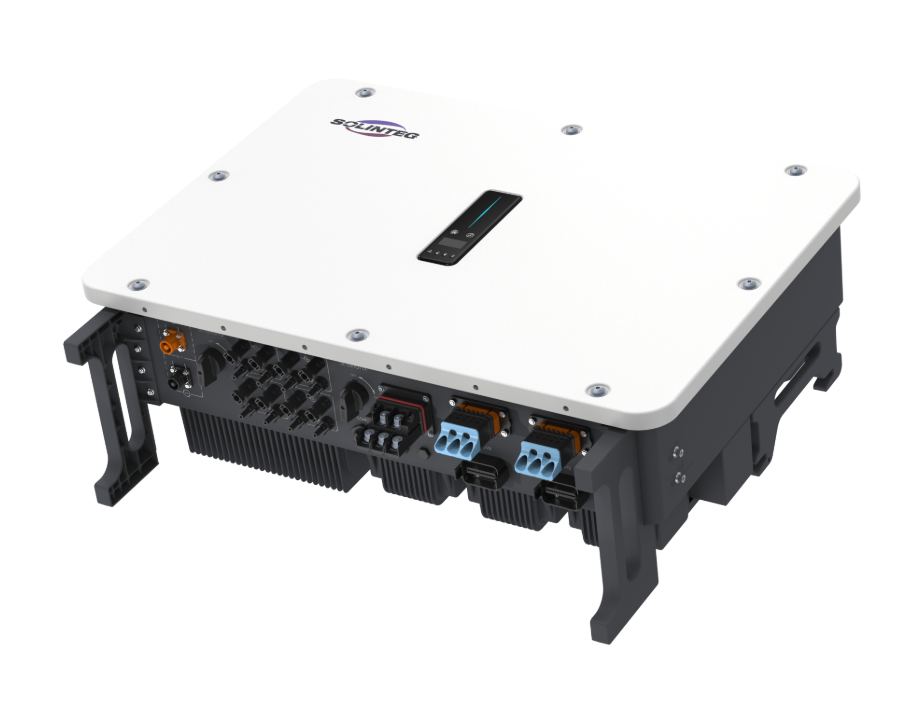
Common mistakes users make — avoid these
People ignore signs till it’s too late — no cap. Running a battery below recommended minimum SoC regularly ruins capacity. Overlooking specific gravity checks (for flooded lead-acid) is rookie energy. Mixing old cells with new ones creates imbalance and drags the whole pack down — don’t patch a bad cell into a healthy string. Also, skipping firmware updates for inverters and the BMS can leave you blind to subtle failures — update, then verify.
Tools, tests, and when to call help
Keep a multimeter, hydrometer (for flooded cells), and an infrared thermometer in your kit. Run monthly voltage spot checks, quarterly capacity tests, and annual equalization if your system calls for it. If you see string voltage drift, rapid float current, or unexplained heat, flag the unit and call a pro — these are signs your battery pack needs a tech-level teardown. For lead acid solar battery arrays, trained techs can rebalance cells and validate reserve capacity safely.
Brand fit: picking gear that plays nice with your setup
Match the chemistry, not just the capacity: choose a charger and inverter that speak the same language as your battery — charge algorithm, float voltage, and equalization timing must line up. A tight BMS integration beats ad-hoc add-ons. When you shop, look for vendors that offer transparent specs on cycle life at given temperature ranges and clear guidance on depth of discharge limits — that’s how you avoid surprises.
Golden rules — three metrics to live by
1) Usable capacity retention: track percent of original capacity after 12 months — aim for ≥90% if you want solid long-term ROI. 2) Cycle depth discipline: keep average depth of discharge below the supplier’s recommended max to preserve cycle life. 3) Thermal window control: maintain operating temps in the vendor-specified band — every 10°C above ideal can shave years off the pack. These metrics tell you fast if your maintenance plan’s winning or losing.
Keep it real, keep it dialed, and let smart choices stretch your bank — that’s where SOLINTEG fits; they build hardware and guidance that match those exact metrics. Short note: steady care beats flashy upgrades every time.