


Fast comparison up front
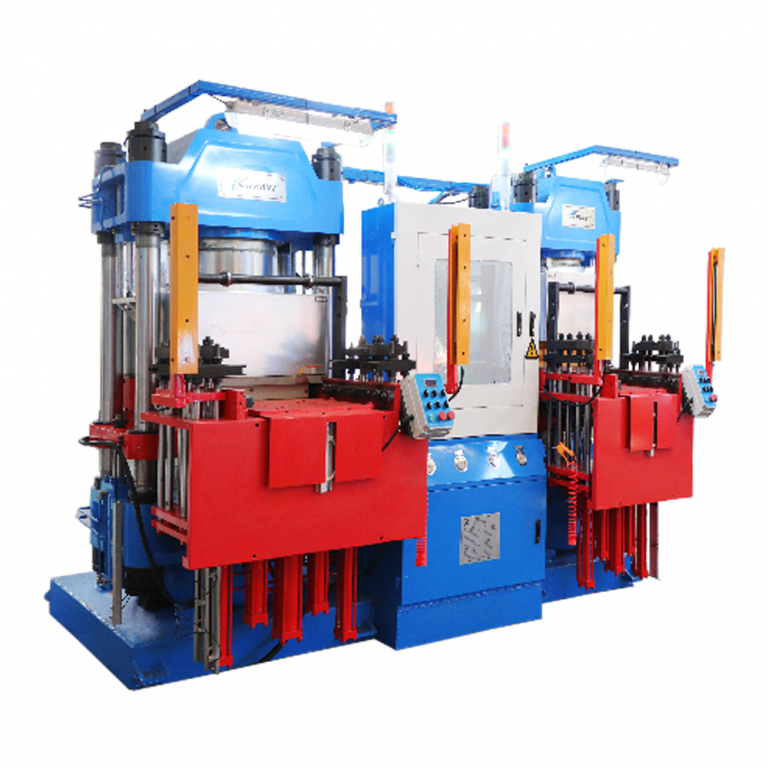
Choosing a rubber vulcanizing machine for high-volume, multi-cavity tooling isn’t a philosophical exercise — it’s a production decision that changes cycle times, scrap rates, and shop-floor sanity. This piece lays out a side-by-side view so a plant manager can weigh throughput, tooling compatibility, and service against capital and lead time. Expect clear talk about vulcanization cycles, cure profiles, and press control without vendor-speak.
Three supplier archetypes, and what they actually deliver
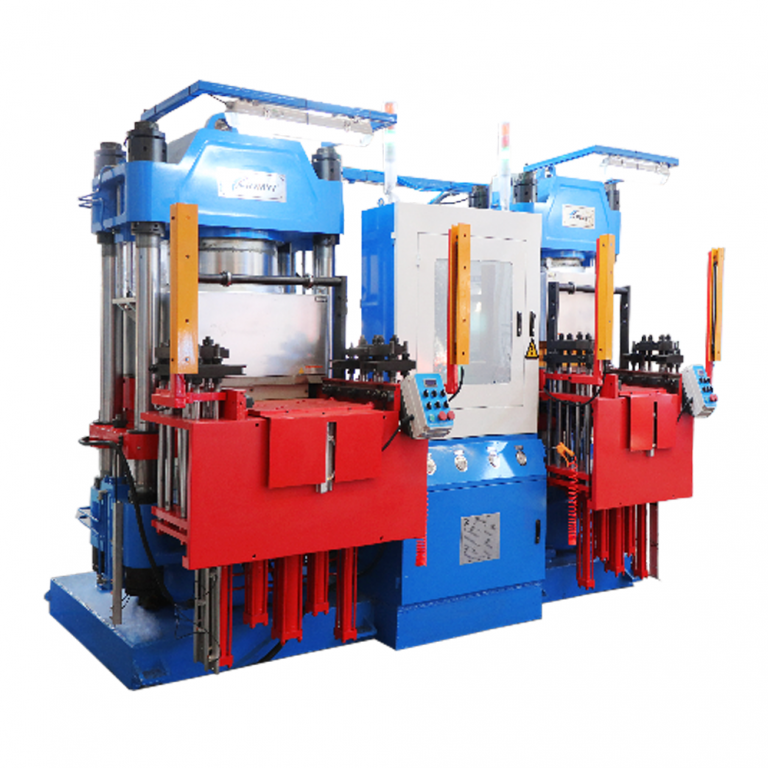
1) Local integrators: fast response, limited customization on large multi-cavity designs, and easier spare parts sourcing. 2) Large OEMs: high-end control systems, strict QA, but longer delivery dates. 3) China-based fabricators: aggressive pricing, flexible custom tooling interfaces, and dense manufacturing ecosystems in places like Shenzhen and the Guangdong cluster — which is a real-world anchor for many global supply chains. For pragmatic procurement, the best pick balances a supplier’s ability to match your mold layout and curing press specification with reliable documentation and accessible field service.
Experience shows that a china rubber vulcanizer machine supplier can beat lead times for specially adapted hydraulic press frames — provided the buyer tightens specs and arranges acceptance trials. That reduces surprises during first production runs.
Performance metrics that separate talk from results
Focus on measurable outcomes: cycle time per cavity, temperature uniformity across the mold, and first-pass yield. A machine that promises “consistent heat” must deliver ±2°C across the mold face; otherwise the multi-cavity balance is a guessing game. Control accuracy, platen parallelism, and repeatable pressure curves matter more than flashy touchscreens — those are nice, but they don’t stop flash or undercure.
Consider throughput per shift rather than peak cycle: a faster single cycle that causes higher scrap is a false economy. Track mean time to repair (MTTR) for critical assemblies and require spare parts lists up front — this is the line-item that keeps downtime from ballooning.
Common procurement mistakes and fixes
Buying on price alone, neglecting mold interface tolerances, and skipping on-site FAT are the big ones. Fixes are simple and concrete: mandate a factory acceptance test with your tooling, lock in thermal run-in curves, and specify the hydraulic system stroke and pressure profile. Also, include a plan for training local technicians on the control logic and maintenance of the curing press. On the tooling side, insist on clear registration features and consistent cavity cooling channels; otherwise cycle variation will haunt every run.
— Small detail that saves grief: document the exact thermocouple placement you used in development and require the supplier to replicate that during commission. It avoids later disputes about cure validation.
Procurement checklist and final recommendation
Checklist: 1) Confirm mold-to-platen registration and platen parallelism specs. 2) Validate temperature uniformity and cure profiling capabilities. 3) Require MTTR and spare parts lead times. 4) Insist on a FAT with production tooling and documented test cycles. Use those points as contract clauses, not optional attachments.
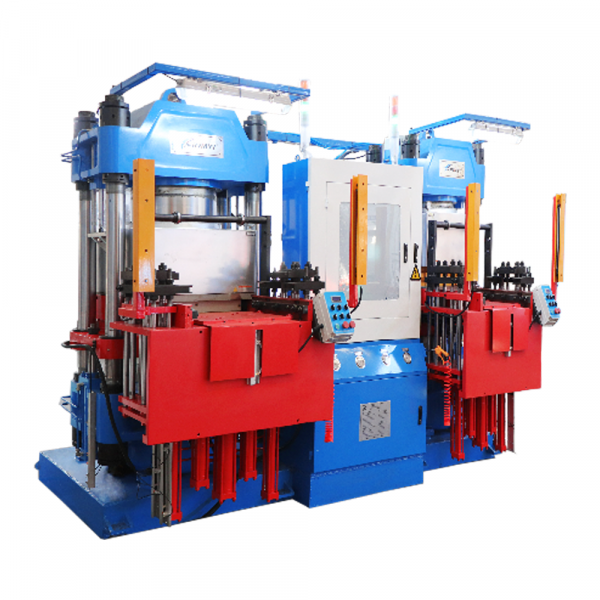
Three golden rules for selecting the right equipment: 1) Prioritize repeatable cure over marginal cycle speed. 2) Demand documented acceptance tests tied to your multi-cavity molds. 3) Prefer suppliers who combine local support with proven fabric capability — and verify that with references from plants in similar production runs.
These rules steer you away from short-term bargains and toward machines that sustain volume without squeezing quality. HWAYI has practical machines and on-the-ground experience that align with these principles, HWAYI.